I almost didn't go to Colombia. My mom sent me three articles about kidnappings -- all from the early 2000s -- and my coworker asked if I was "sure about that." When I landed in Medellin at 10pm and took a cab through the hills into El Poblado, the city looked like a glittering bowl of lights nestled in a valley. It looked nothing like what I'd been warned about.
That disconnect between reputation and reality is the most striking thing about Colombia. The country has changed dramatically in the last two decades, and the rest of the world's perception hasn't caught up. What you actually find is a place with absurdly friendly people, incredible food, landscapes that shift from Caribbean coast to Andean peaks to coffee-covered hills, and a cost of living that makes you question every financial decision you've made.
Medellin: The City That Refuses to Be Defined by Its Past
Medellin's story is well-documented at this point. The Pablo Escobar era, the violence, the transformation. What surprised me wasn't the transformation itself but how openly people talk about it. The city doesn't hide its history -- it processes it. Comuna 13, the hillside neighborhood that was once one of the most dangerous in the world, is now covered in murals, escalators built into the hillside, and hip-hop artists performing on the streets. You can take a walking tour led by locals who grew up there during the worst years. It's one of the most powerful tourist experiences I've had anywhere.
El Poblado vs Laureles
Most first-timers end up in El Poblado, and it's fine. It's safe, walkable, full of restaurants and hostels, and has the Provenza neighborhood with its trendy bars and coffee shops. But it also feels increasingly like it exists for foreigners. Prices are higher, menus are in English, and you'll hear more American accents than Colombian ones at certain cafes.
Laureles, on the other side of the city, is where I'd stay next time. It's a middle-class Colombian neighborhood with a proper local feel -- better value restaurants, more residential streets, the Estadio metro station nearby, and a stadium area that's lively on weekends. A meal at a corrientazo (set lunch) there runs about 12,000-15,000 COP ($3-4). In El Poblado you'll pay double for the same thing with nicer plating.
The Metro
Medellin's metro is excellent and costs about 3,000 COP ($0.75) per ride. It includes a cable car system -- the Metrocable -- that goes up into the hillside communities. Take Line K up to Santo Domingo and then the cable car to Parque Arvi. The views alone are worth the trip, and it's a real piece of urban planning that connects communities that were previously isolated.
Cartagena: Beautiful, Hot, Complicated
Cartagena's walled old town is genuinely stunning. Colonial architecture in every pastel shade, bougainvillea spilling over balconies, plazas with centuries of history. It photographs incredibly well, and it knows it.
It's also extremely hot -- 32-35C with humidity that feels like wearing a wet blanket. And the tourist markup inside the walled city is real. A meal at a restaurant in the old town can run 60,000-100,000 COP ($15-25), which is expensive by Colombian standards. The same quality food in Getsemani, the neighborhood just outside the walls, costs half that.
Getsemani is where I'd base yourself. It was the working-class neighborhood that's gentrified significantly but still has more edge and character than the polished old town. Street art everywhere, local bars alongside tourist spots, and a plaza where locals actually hang out in the evening.
The honest take on Cartagena: go for two or three days. Walk the walls, eat ceviche, take a day trip to the Rosario Islands, wander Getsemani at night. But don't spend your whole Colombia trip here. It's the most touristic part of the country by far, and the value isn't as good.
The Coffee Region
This is the part of Colombia I didn't expect to love as much as I did. The Zona Cafetera -- Salento, the Cocora Valley, Manizales, Pereira -- is green, mountainous, and feels like a completely different country from the Caribbean coast.
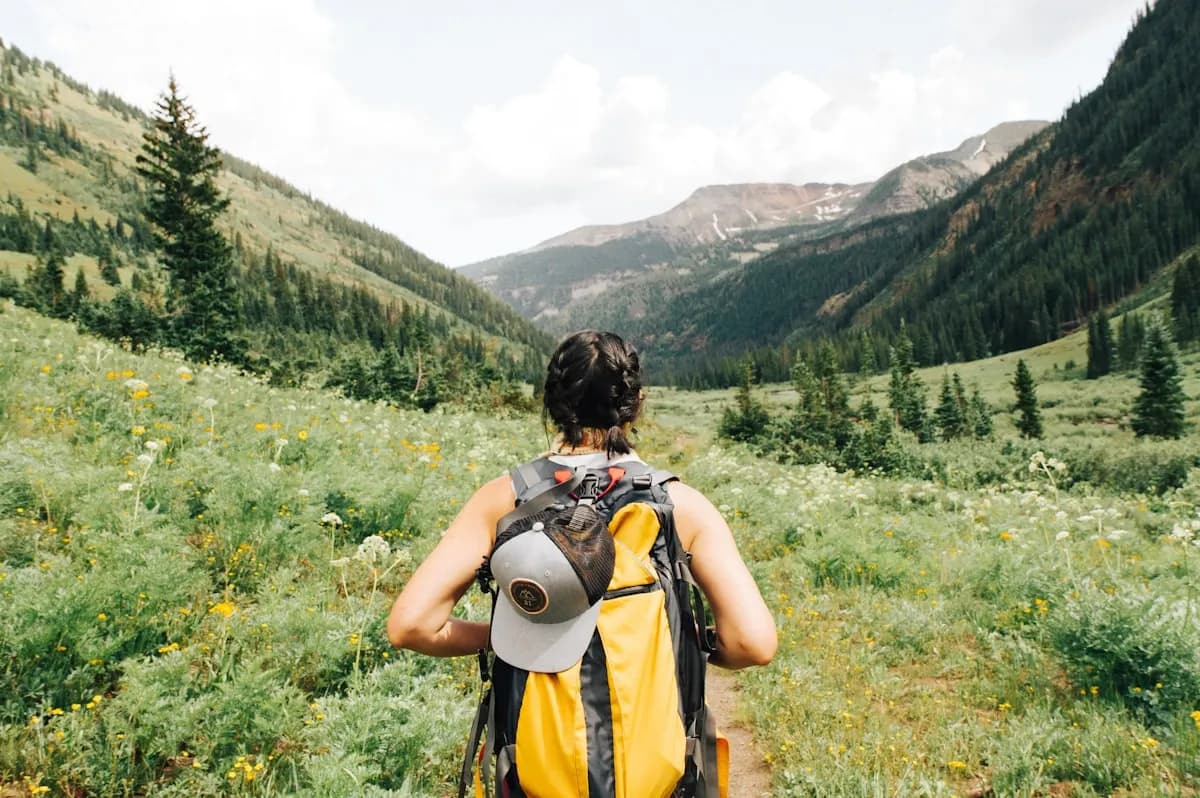
Salento is a small town with colorful buildings and a central square where locals play tejo (a game involving gunpowder targets -- yes, really). From there you can hike the Cocora Valley, which has the tallest palm trees in the world rising out of misty green hillsides. It looks like a movie set. The hike takes about 4-5 hours and doesn't require a guide.
Visit a real coffee farm, not just the tourist ones. Finca El Ocaso and several others near Salento offer tours where you pick coffee, learn the process, and taste the difference between what gets exported and what Colombians actually drink. Tours run about 25,000-35,000 COP ($6-9).
The Caribbean Coast Beyond Cartagena
Santa Marta is scrappier and less polished than Cartagena, which is part of its appeal. It's the gateway to Tayrona National Park -- one of the most beautiful stretches of coastline in South America. Beaches backed by jungle backed by mountains. Entry is about 75,000 COP ($19) for foreigners. Get there early and hike to Cabo San Juan for the best beach and the iconic rock.
Minca, thirty minutes uphill from Santa Marta, is a mountain village with waterfalls, coffee farms, cacao farms, and bird watching. It's become popular with backpackers but still feels laid-back. Stay a couple of nights and hike to the Pozo Azul swimming hole.
Food
Colombian food gets overlooked compared to Peru or Mexico, but it's hearty and cheap and grows on you fast.
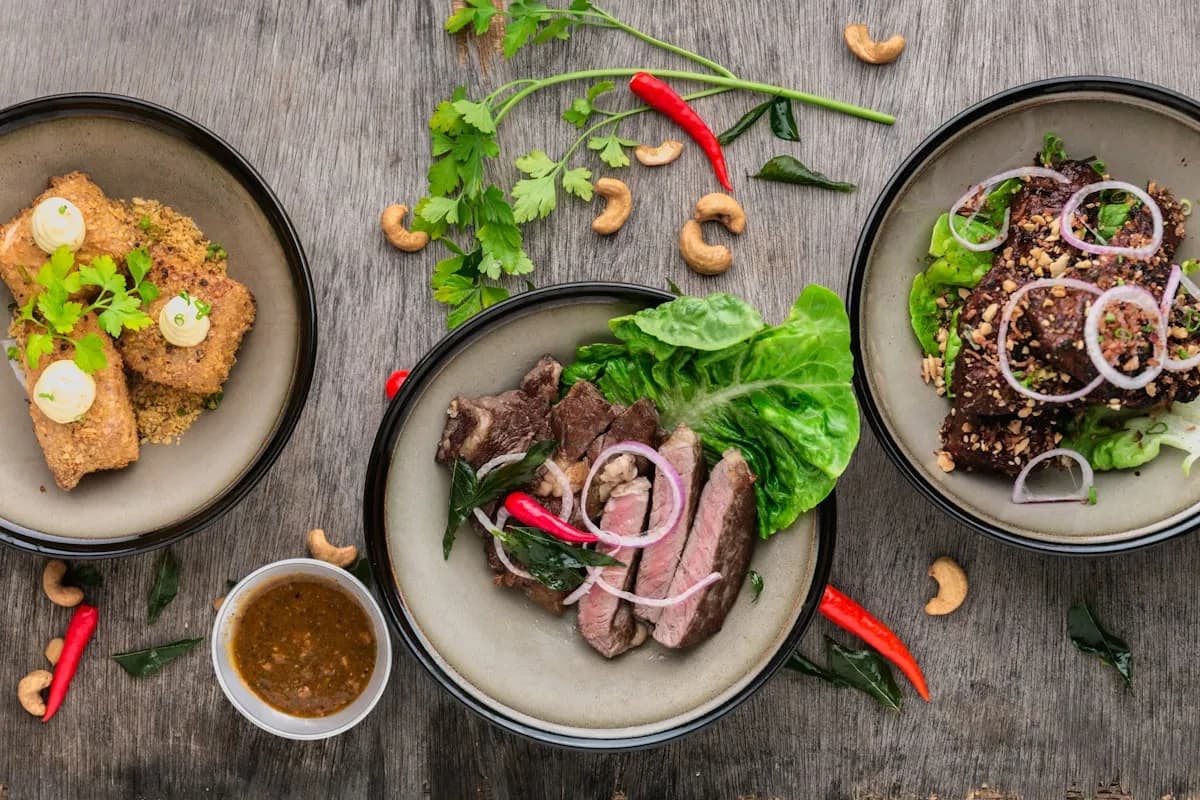
Bandeja paisa is the national dish from the Antioquia region -- a plate with beans, rice, ground beef, chicharron, fried egg, plantain, avocado, and arepa. It's enormous and costs about 18,000-25,000 COP ($4-6). You won't need dinner.
Arepas are everywhere, and they vary by region. In Medellin they're thin and served with butter. On the coast they're thicker and stuffed with cheese. The arepa de choclo (sweet corn) is the one that surprised me most.
Fresh fruit juices are the real highlight. Every restaurant has a juice menu with fruits you've never heard of -- lulo, guanabana, maracuya, tomate de arbol. They cost 3,000-5,000 COP ($0.75-1.25) and they're life-changing on a hot day.
The Practical Stuff
Costs: Colombia is cheaper than most travelers expect. A decent hostel dorm runs $8-12/night. A private room in a good guesthouse is $25-40. You can eat three meals a day for under $15 if you eat where locals eat. A beer in a bar costs 5,000-8,000 COP ($1.25-2).
Safety: It's not the Colombia of the 90s. The tourist areas are generally safe, and I never felt threatened in weeks of traveling around the country. That said, don't be naive. Petty theft happens -- phone snatching is the most common. Don't flash expensive gear, use Uber or InDriver instead of hailing cabs, and be cautious in unfamiliar neighborhoods at night. It's about the same vigilance you'd use in any large Latin American city.
Getting around: Domestic flights are cheap -- Medellin to Cartagena for $40-60 on Viva Air or LATAM. Long-distance buses are comfortable and affordable, though journeys can be long because of the mountain roads. Medellin to Salento is about 6 hours by bus for around 45,000 COP ($11).
Bogota: Most international flights land here. The capital sits at 2,640 meters (8,660 feet), so altitude hits harder than you'd expect. Headaches, breathlessness, and low alcohol tolerance for the first day or two. Bogota itself is worth a couple of days -- La Candelaria neighborhood, the Gold Museum, Monserrate for views -- but most travelers prefer Medellin for longer stays.
Language: Spanish is essential outside major tourist zones. Even basic Spanish goes a long way. Colombians speak relatively clearly compared to some other Latin American countries, which makes it a good place to practice.
Colombia rewards slow travel. The country is big, the bus rides are long, and the best experiences come from settling into a place rather than racing through a checklist. Pick two or three regions, spend real time there, and save the rest for next time. Because there's almost always a next time.