For years, I was that person. The one who'd see a group of tourists following a guide with a little flag and feel a quiet smugness. That's not real travel. Real travel is figuring it out yourself. Getting lost, making mistakes, finding your own way. Group tours were for people who couldn't handle the chaos -- or worse, didn't want to.
I held this opinion with the kind of conviction that only someone who's never actually tested it could have.
The Thing That Changed My Mind
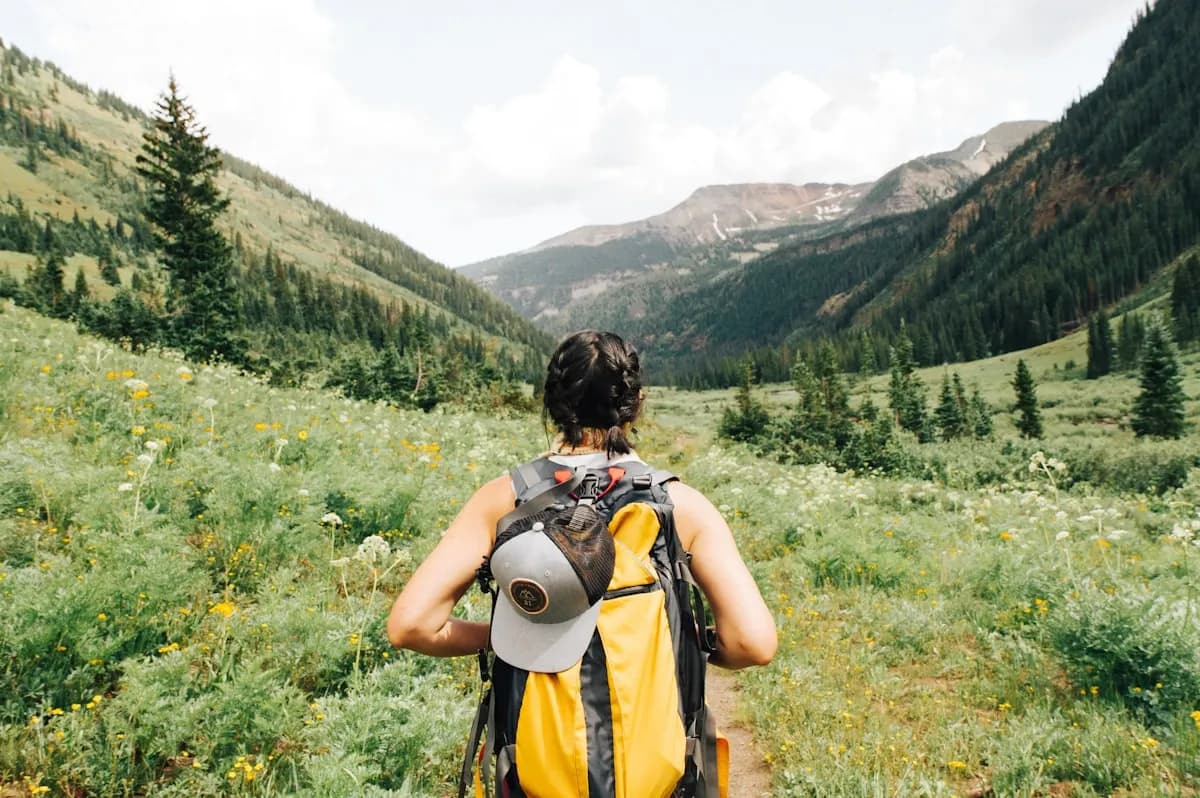
It was Peru. I wanted to do the Salkantay Trek to Machu Picchu, and after two hours of research, the reality sank in: you need permits, a licensed guide, porters, camping equipment, and detailed knowledge of a mountain route that goes up to 4,600 meters. This wasn't something you could wing with a backpack and a sense of adventure.
So I booked a small group trek. Eight people, two guides, a cook. Five days of hiking through mountain passes and cloud forests. I showed up at the meeting point in Cusco fully expecting to hate it.
I didn't hate it.
Not All Group Tours Are the Same
This is the thing I got wrong. I'd lumped everything together -- the 50-person bus tour that does six European capitals in eight days and the 10-person trekking group in the Andes. These are not the same product. They're not even in the same category.
Large bus tours (30+ people) are mostly what you picture. A coach pulls up, you pile out, take photos for 20 minutes, pile back in, repeat. If you're over 30, these are usually pitched at retirees. There's a microphone. There's a schedule measured in minutes. There's a gift shop stop that nobody asked for. These exist and they serve a purpose, but they're the reason group tours have a bad reputation.
Small group adventure tours (8-16 people) -- companies like G Adventures, Intrepid Travel, and similar operators -- are genuinely different. You're traveling with a small group, usually staying in local guesthouses or small hotels, eating at local restaurants. The guide is typically from the region and knows things that no amount of googling would surface. The itinerary has structure but also free time. It's closer to traveling with a knowledgeable local friend than being herded around.
Specialized tours are where things get interesting. Food tours, photography tours, trekking groups, birdwatching expeditions. These are built around a specific interest, and the people who join them tend to be enthusiasts, not passive tourists. Some of the best travel experiences I've had were on food tours led by someone who'd been eating their way through a city for 20 years.
And then there are free walking tours in cities, which are basically the gateway drug. You show up, walk around for two hours with a local guide, tip what you think it was worth. Almost always good. I've done them in Lisbon, Budapest, Bogota, and Mexico City, and every single one taught me something I wouldn't have found on my own.
What They Do Well
The Peru trek sold me on logistics. I didn't have to worry about permits, route-finding, altitude sickness protocols, where to camp, what to eat, or how to get the gear up the mountain. All of that was handled. I just had to walk and not fall off anything.
For destinations with complex logistics -- African safaris, Patagonia, multi-country Southeast Asia routes -- group tours remove an enormous amount of friction. You could organize a safari independently, but you'd spend weeks on it and probably pay more than the tour costs.
Local guides are the underrated part. Our guide in Peru knew every village we passed through. He introduced us to families who let us try their food. He told us stories about the mountains that gave the landscape a depth Google couldn't provide. In Jordan, a guide took our group to a Bedouin camp that wasn't on any map. These are the kinds of experiences that independent travelers rarely stumble into.
And then there's the social thing. If you're traveling solo, a group tour gives you an instant social circle. No awkward hostel small talk, no hoping you'll meet someone cool at a bar. You're with the same people for a week, sharing meals and experiences, and bonds form fast.
What They Do Badly
The schedule. God, the schedule. Every group tour has one, and it's never your pace. You'll find a cafe you love and have to leave it. You'll want to sleep in and can't. There's always a departure time, and someone is always late, and everyone else is standing by the van pretending they're not annoyed.
Group dynamics are a gamble. I've been on tours where the group clicked immediately -- shared humor, similar energy, everyone genuinely having a good time. And I've been on one where a couple dominated every conversation, complained about the food at every meal, and turned a simple itinerary change into a 30-minute debate. There's nothing you can do about this except hope.
The "fun" activities. Some tours include things like group cooking classes or team-building exercises that feel more like corporate retreat than travel. I didn't cross an ocean to do icebreakers.
And you give up spontaneity. That's the real cost. Independent travel lets you change plans on a whim -- hear about a festival two towns over and just go. On a group tour, the route is set. You're trading freedom for convenience, and depending on who you are, that trade-off ranges from fine to suffocating.
The People Surprised Me
I expected a certain demographic and I was wrong. The Peru trek had a 24-year-old solo traveler from Japan, a retired British teacher, a couple from Melbourne in their thirties, and a French woman who'd been traveling for a year and just didn't want to organize this particular stretch herself. Ages ranged from 24 to 67. The only thing we had in common was that we all wanted to see Machu Picchu and none of us wanted to organize the logistics.
The friendship thing is real too. Spending a week with the same small group, sharing meals, helping each other up mountain passes, having long conversations over camp dinners -- it compresses the friendship timeline the same way hostels do. By day three, you've usually found your people within the group. By day five, you're exchanging contact info and meaning it, at least a little.
The Money Thing
I assumed group tours were more expensive than doing it yourself. Sometimes they are, especially the luxury ones. But when I actually compared costs for the Peru trek -- permits, guide, meals, camping equipment rental, transport -- the group tour was roughly the same price as trying to organize it independently, and significantly less hassle.
For safaris in East Africa, group tours are almost always cheaper. A private safari with your own guide and vehicle can run $400-600+ per day. A group tour splits that cost and you get essentially the same experience -- same parks, same wildlife, same sundowner drinks at camp.
The math doesn't always work in the tour's favor, especially in places where independent travel is cheap and easy. But the "group tours are a rip-off" narrative is lazier than it is accurate.
When It Makes Sense
Complex logistics. That's the main one. If getting there, being there, and getting out require planning that would eat half your trip, let someone else handle it. Safaris, high-altitude treks, multi-country routes through regions with unreliable transport, anywhere you need a licensed guide.
Solo travelers who want company but don't want the hostel scene. Group tours are social by default, and the social dynamic is usually better than hoping for a good hostel common room.
Limited time. If you have one week and want to see the highlights of a region, a well-organized tour is more efficient than figuring it out yourself. Not more authentic, but more efficient. Sometimes that's the right trade.
When to Skip Them
Places where independent travel is straightforward. You don't need a group tour for Thailand or Portugal or Japan. The infrastructure exists, the information is abundant, and doing it yourself is half the experience.
If you genuinely hate schedules, group tours will frustrate you no matter how good the itinerary is. And if you're the type who needs to control the pace -- sleep in when you want, linger where you want, leave when you want -- the group dynamic will feel like a constraint, not a convenience.
The Compromise I Landed On
I still prefer independent travel. The freedom, the spontaneity, the feeling of figuring things out on your own -- that's still the core of what I love about being on the road. But I no longer pretend that group tours are beneath me or that they don't have a place.
My approach now is to use them surgically. Independent travel for the parts I can handle, group tours for the parts I can't or don't want to. The Inca Trail, yes. A week in Lisbon, no. A safari in Tanzania, absolutely. Backpacking through Vietnam, I'll do that myself.
It took actually joining one to see what I'd been dismissing. Turns out the thing I was being a snob about was the thing I didn't understand.