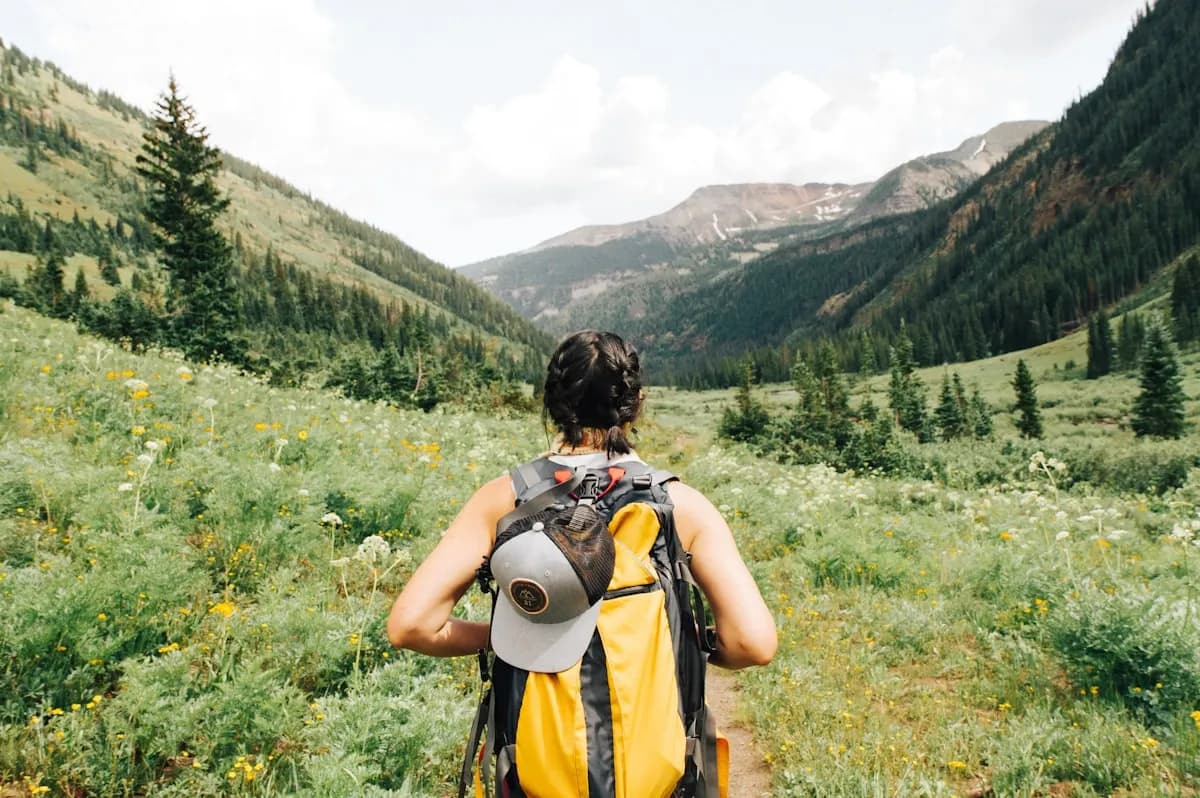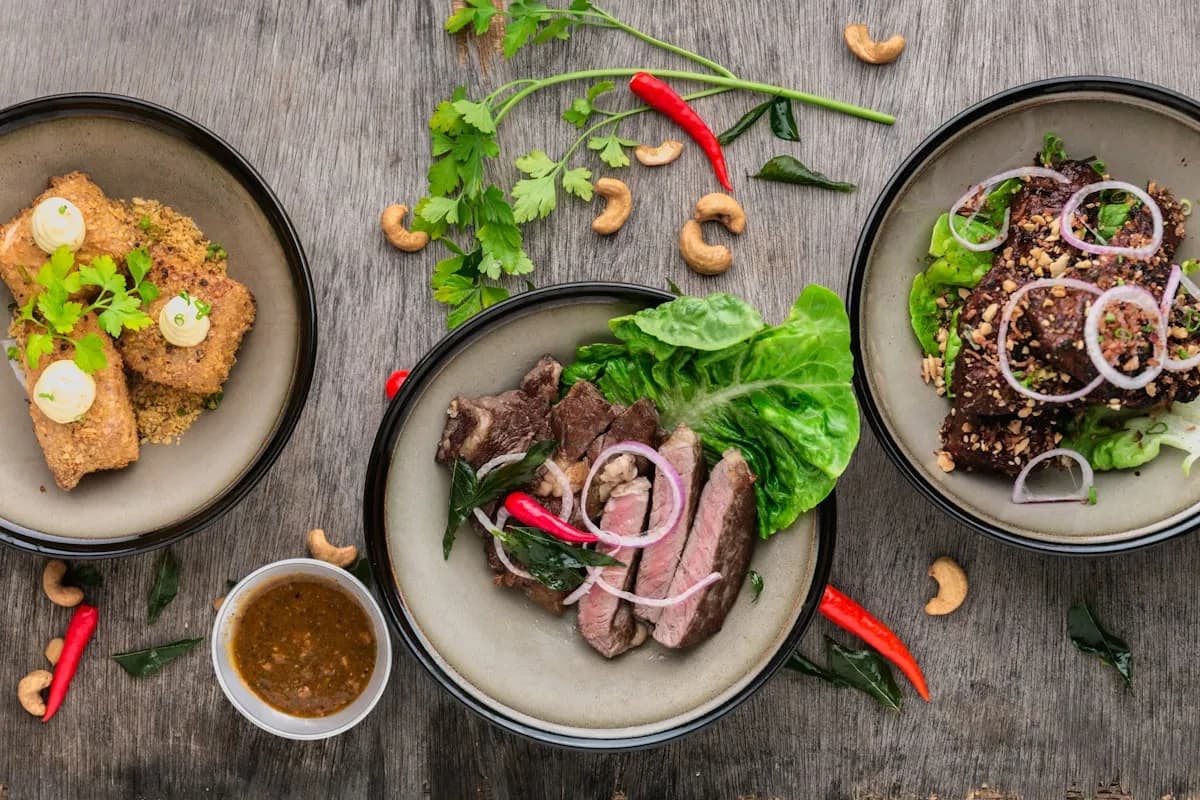
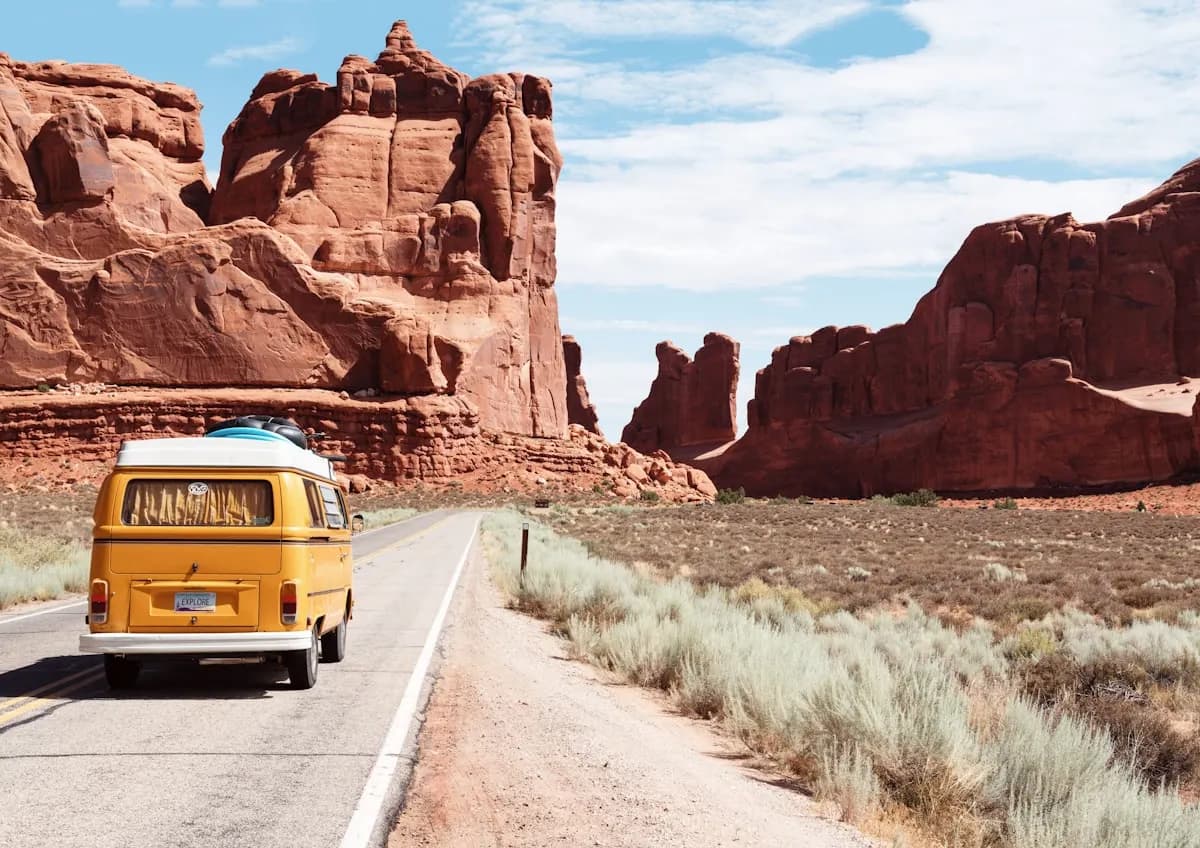
I almost didn't go to the South Island. My original plan was ten days in the North Island, then fly home from Auckland. A guy at a hostel in Rotorua told me I was making the biggest mistake of my trip, and he was right. I rebooked my flight, rented a campervan from Christchurch, and spent the next two weeks driving through scenery that made me feel like I was inside a movie that couldn't decide if it was set on another planet or in some idealized version of Earth.
New Zealand is a road trip country. You can bus or fly between cities, but you'd miss the point. The point is the roads themselves -- pulling over at a random lookout because the mountains are doing something absurd, or parking by a river so blue it looks fake and eating a sandwich on the tailgate. That's the trip.
Campervan vs. Rental Car
This is the first real decision. A campervan gives you freedom camping, which means you can park overnight in designated spots for free (or near-free) and wake up in places that would cost $300 a night if there were a hotel nearby. A rental car is cheaper upfront but you're paying for accommodation every night.
I did both on different trips. The campervan was better. Not even close. You save money on lodging, you skip the daily "where am I sleeping tonight" scramble, and you wake up in places like the shore of Lake Pukaki with Mount Cook glowing pink at 6am. That doesn't happen when you're in a Holiday Inn.
Campervan rentals run about NZ$100-200/day depending on size and season. Jucy, Mighty, and Britz are the big names. Smaller outfits like Spaceship and Lucky Rentals are often cheaper and perfectly fine. Book early if you're going in December or January -- everything sells out.
One important note: freedom camping in New Zealand has rules, and they've gotten stricter. You need a certified self-contained vehicle (with a toilet and waste tank) to camp in most free spots. Non-self-contained vehicles are restricted to designated campgrounds. Download the CamperMate or Rankers app -- they show every freedom camping spot, holiday park, and dump station in the country.
Driving on the Left
If you've never driven on the left side of the road, New Zealand is a forgiving place to learn. Traffic is light outside the cities, the roads are well-maintained, and Kiwi drivers are genuinely courteous. You'll get the hang of it within an hour.
What takes longer to get used to: one-lane bridges. There are hundreds of them, mostly on the South Island. A sign tells you who has right of way. If the arrow on your side is smaller, you wait. It sounds confusing but becomes second nature fast.
The roads are windier than you'd expect. What looks like a two-hour drive on the map takes three because you're snaking through mountain passes at 60km/h. Build in more time than Google Maps suggests. And the weather shifts fast, especially on the West Coast -- sunshine to sideways rain in twenty minutes.
North Island Highlights
Auckland
Auckland is fine. It's a city. It has good restaurants and decent nightlife and the harbor is pretty. But it's not why you came to New Zealand. Spend a day, maybe two, then get out. The Sky Tower is exactly what you'd expect from a big observation tower. Ponsonby and Karangahape Road have the best food and bar scene if you're staying a night.
Rotorua
This is where it gets interesting. Rotorua smells like sulfur and sits on top of geothermal activity that makes the ground literally steam. Wai-O-Tapu is the must-see -- a volcanic landscape of neon-colored pools that look photoshopped but aren't. The Champagne Pool is a real place with orange and green water that's legitimately hard to believe until you're standing in front of it.
Rotorua is also the best place to experience Maori culture. Tamaki Maori Village does an evening cultural experience with a hangi dinner cooked in the ground. It's touristy, sure, but it's done with real pride and the food is excellent.
Tongariro Alpine Crossing
The best day hike in New Zealand and one of the best in the world. It's 19.4 kilometers across volcanic terrain with emerald lakes, steaming vents, and views that keep getting more ridiculous as you climb. It takes 6-8 hours and you need decent fitness and proper gear -- the weather up there can turn ugly fast. Shuttles run to and from the trailhead from nearby towns like Taupo and National Park Village.
Don't skip this even if you're not a "hiker." You'll be glad you did it.
Coromandel Peninsula
A couple hours east of Auckland, the Coromandel feels like a different country from the city you just left. Cathedral Cove is the postcard shot -- a natural rock arch over a white sand beach. Hot Water Beach is genuinely weird: at low tide, you dig a hole in the sand and hot water seeps up from geothermal activity below. Bring a shovel or rent one from the surf shop nearby.
South Island (The Main Event)
I'll say it plainly: the South Island is why you go to New Zealand. The North Island is great, but the South is on a completely different level. Every hour of driving reveals something new and absurd. Snow-capped peaks, turquoise glacial lakes, empty beaches, rainforest, fjords. It's relentless.
Queenstown
The self-proclaimed adventure capital of the world, and the marketing isn't wrong. Bungee jumping (AJ Hackett at the Kawarau Bridge, where commercial bungee was invented), skydiving over the Remarkables, jet boating through narrow canyons -- if it gets your adrenaline going, Queenstown has it.
It's also the most touristy place in New Zealand. Busy, expensive, and packed with international visitors wearing matching adventure-company jackets. The Fergburger line goes around the block (the burgers are very good but I'm not sure any burger justifies a 45-minute wait). If you want the activities without the crowds, base yourself in Wanaka instead and drive to Queenstown for the day.
Wanaka
Forty-five minutes from Queenstown and roughly ten times more relaxed. Wanaka sits on its own stunning lake, has great hiking (Roy's Peak is a sweaty but rewarding climb), and moves at a pace that actually lets you enjoy being there. That famous lone tree in the lake is smaller than photos suggest, but the town itself won't disappoint.
Milford Sound
Worth every minute of the long drive to get there. The road from Te Anau to Milford Sound passes through old-growth beech forest and one of the coolest tunnels you'll ever drive through (the Homer Tunnel, carved through solid rock, single-lane, slightly terrifying). Milford Sound itself is a fjord -- sheer cliff walls rising from dark water, waterfalls everywhere, sometimes dolphins. Book a boat cruise. It rains there over 180 days a year and locals will tell you it's actually better in the rain because the waterfalls go from impressive to insane.
West Coast: Glaciers and Hokitika
The West Coast is wild and wet and feels genuinely remote. Franz Josef and Fox Glaciers are the main draws -- you can hike to the glacier faces or do a helicopter ride that lands on top. The glaciers have retreated significantly in recent years, which is both a reminder of climate change and a reason to see them while you can.
Hokitika is a small town worth a stop for the gorge (blue-green water that's almost unreal) and the pounamu (greenstone/jade) workshops. It's a good place to grab a pie and stretch your legs.
Abel Tasman National Park
At the top of the South Island, Abel Tasman is coastal walking at its finest. Golden sand beaches, clear water, native bush. You can do day walks, multi-day treks with hut bookings, or kayak along the coast. Water taxis shuttle you to different points along the track so you can customize the distance. It's a completely different flavor of New Zealand scenery -- more Mediterranean than Tolkien.
Kaikoura
A small town on the east coast famous for whale watching. Sperm whales are there year-round, and the boat tours have a high success rate. Dolphins too -- you can actually swim with dusky dolphins if you're okay with cold water and a wetsuit. Kaikoura is also an excellent seafood spot. The crayfish (lobster) from roadside stands is expensive but memorable.
The Practical Stuff
Budget. New Zealand is not cheap. A realistic backpacker budget is NZ$150-200 per day including campervan rental, fuel, food, and activities. Fuel is expensive -- roughly NZ$2.80-3.20 per liter -- and the drives are long. Supermarket cooking saves a fortune; Countdown and New World are the main chains. A roast chicken, bread, and salad from the supermarket is a solid campervan dinner for about NZ$15.
Time. Three weeks is ideal for both islands. If you only have two weeks, do the South Island and fly into Christchurch. Trying to rush both islands in two weeks means you're spending more time driving than enjoying.
Holiday parks. When freedom camping isn't an option, holiday parks (like Top 10 or Holiday Acres) run about NZ$20-50 for a powered campervan site. They have hot showers, kitchens, laundry, and sometimes hot tubs. Not glamorous, but functional and social.
Best time to go. December through February is summer and peak season. January is the busiest and most expensive. November and March are shoulder months with great weather and thinner crowds -- that's my pick. Winter (June-August) is ski season in Queenstown and Wanaka but the South Island roads can be dicey.
Wildlife
You probably won't see a kiwi in the wild. They're nocturnal, shy, and endangered. Your best shot is a kiwi sanctuary -- the one in Rotorua is good. What you will see: fur seals lounging on rocks everywhere along the South Island coast (especially near Kaikoura), yellow-eyed penguins on the Otago Peninsula near Dunedin, and dolphins if you're on any kind of boat tour.
The birdlife is excellent even if you're not a birder. Tui and bellbirds have these metallic, otherworldly calls that become the soundtrack of your trip. Kea -- alpine parrots -- will try to dismantle your campervan if you park near Arthur's Pass. They're smart, destructive, and hilarious.
The Honest Take
New Zealand is overhyped for exactly zero things. Every person who told me it was the most beautiful country they'd ever visited was right. It's also expensive, the food scene outside the cities is just okay (lots of pies and fish and chips, which honestly grows on you), and two weeks is barely enough.
But the driving. The driving is the thing. You round a bend and there's a glacier-fed river valley stretching to the horizon. You pull over because you have to, not because there's a sign telling you to. You sleep in your van beside a lake and wake up to mist rolling off the water and mountains you can't name in every direction.
That's what New Zealand does. It doesn't try to impress you. It just is, and it's more than enough.