Tokyo is the kind of city that makes you feel like you've been traveling wrong everywhere else. The trains run on time to the second. The convenience stores sell food that's better than most restaurants back home. Strangers will walk three blocks out of their way to help you find an address. It's almost disorienting how smoothly everything works.
That said, it can feel like a lot when you first arrive. The station maps look like circuit boards, the vending machines outnumber the people in some neighborhoods, and the sheer density of everything—restaurants, shops, shrines, arcades—can make you freeze up with decision paralysis. We've seen people spend their first full day in Tokyo just standing in Shinjuku Station trying to figure out which exit to use. (There are over 200.)
The good news: Tokyo is incredibly forgiving for tourists. You really can't mess it up. Even getting lost tends to work out well, because there's something interesting in every direction. The city is also one of the safest major cities in the world, so wandering aimlessly at midnight is an option rather than a concern.
Here's what we'd tell a friend heading there for the first time.
When to Go
Spring (March through May) is the most popular season, and for good reason—cherry blossom season in late March to early April is genuinely as beautiful as the photos suggest. But it's also peak tourist season, so expect crowds and higher prices.
Fall (September through November) is arguably better overall. Comfortable temperatures, autumn foliage in the parks, and slightly fewer tourists than spring.
Summer is hot and humid. Like, walk-outside-and-your-glasses-fog-up humid. But there are fewer tourists and some great festivals, including the Sumidagawa Fireworks in July.
Winter is cold but manageable—Tokyo rarely gets snow. The holiday illuminations around Roppongi and Marunouchi are worth seeing, and hotels tend to be cheaper.
Trains: Less Scary Than They Look
Tokyo's train system has a reputation for being confusing, and the map doesn't help. But in practice, it's the easiest way to get around any major city we've been to.
Get a Suica or Pasmo card at the airport when you arrive. These are rechargeable IC cards that work on basically everything—trains, buses, vending machines, convenience stores. Tap in, tap out. If you're only staying in Tokyo, skip the JR Pass; it's designed for people traveling between cities.
Two subway operators run the metro: Tokyo Metro (9 lines) and Toei (4 lines). They connect at various stations, and your Suica card works on both. Download Google Maps or the Japan Official Travel App for navigation—both handle the Tokyo transit system well.
One important thing: trains stop running around midnight. If you're out late, you'll need a taxi (expensive) or you'll be joining the grand Tokyo tradition of hanging out in a 24-hour cafe or karaoke place until the first trains start around 5 AM.
Neighborhoods Worth Your Time
Shibuya
The scramble crossing gets all the attention, and it's worth seeing once—watching hundreds of people cross in every direction is oddly mesmerizing. Shibuya Sky has great observation deck views of the city. Beyond that, the surrounding streets are packed with shops and restaurants.
Shinjuku
Home to the world's busiest train station. The real draw here is Golden Gai—a tiny network of alleys crammed with over 200 micro-bars, most seating fewer than ten people. Each bar has its own personality, and some have cover charges, so check the signs before sitting down. It's one of those experiences that only exists in Tokyo.
Asakusa
This is where you go for the traditional Tokyo feel. Senso-ji Temple is the main attraction, and it's legitimately impressive—especially early morning before the tour groups arrive. The surrounding Nakamise shopping street sells tourist stuff, but the side streets have better finds.
Akihabara
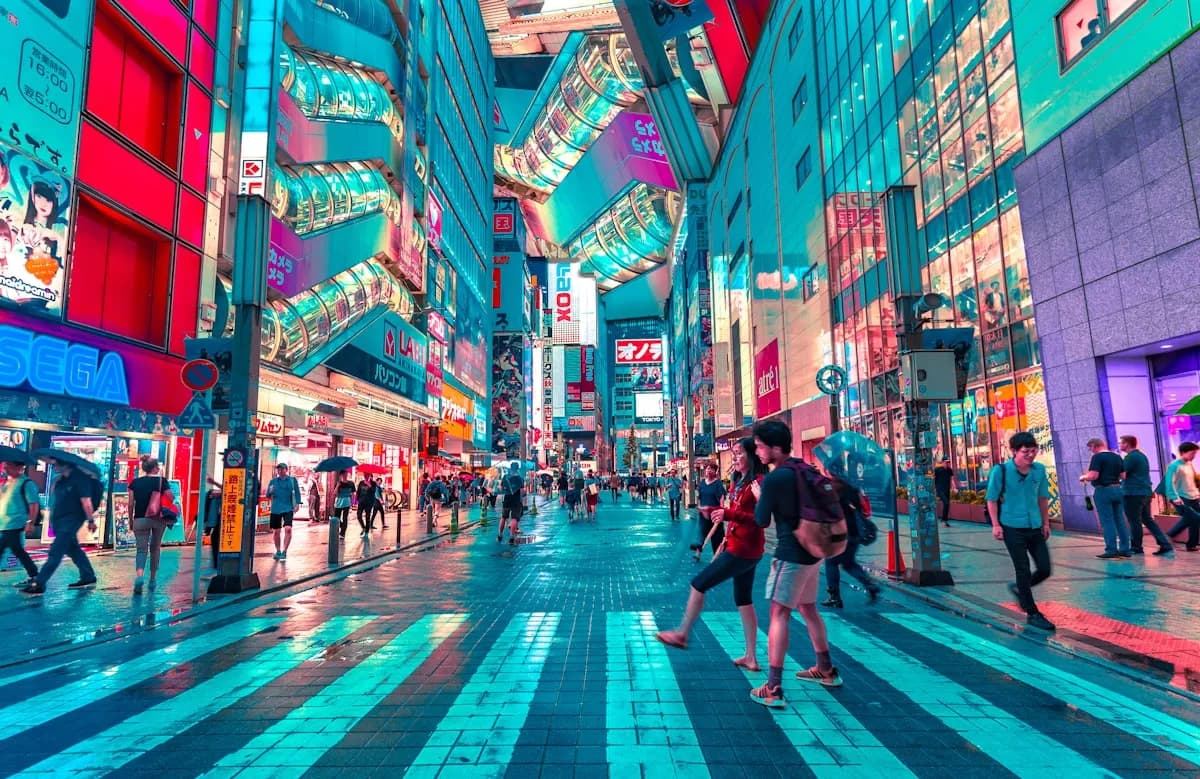
Even if anime and video games aren't your thing, Akihabara is worth walking through just for the sensory overload. Multi-story arcades, electronics shops, maid cafes, retro game stores. It's a place unlike anywhere else.
Harajuku
Takeshita Street is a narrow pedestrian lane packed with colorful shops, crepe stands, and fashion that ranges from trendy to completely unhinged. It's fun, it's loud, and it's very young. The back streets of Ura-Harajuku are calmer and have better shopping.
Eating in Tokyo
Tokyo has more Michelin-starred restaurants than any other city in the world, which is impressive but also irrelevant for most of us. The really exciting thing about eating in Tokyo is that the floor is so high—even cheap, casual food tends to be excellent.
Ramen is the obvious starting point. Ichiran is a good first experience because of the solo dining booths (you order from a vending machine, sit in a partitioned seat, and a pair of hands slides your bowl through a curtain). Fuunji near Shinjuku does great tsukemen, which is dipping-style ramen. For conveyor belt sushi on a budget, Sushiro delivers surprisingly good quality for the price.
Izakayas—Japanese-style pubs—are where you want to spend your evenings. Order a bunch of small plates, try things you can't identify, and wash it all down with beer or highballs. It's the most fun way to eat in Japan.
Don't overlook convenience stores. This sounds like a joke, but 7-Eleven and Lawson in Japan are genuinely good. The onigiri, sandwiches, and prepared meals are fresh and well-made. A convenience store breakfast in Tokyo beats a hotel breakfast in most other countries.
Department store basements (depachika) are also worth exploring. They're essentially premium food halls with beautiful prepared foods, pastries, and samples.
If a restaurant has plastic food models outside the door, you can point at them when ordering. This is normal and expected.
Saving Money
Lunch is where the deals are. Many restaurants offer lunch sets at half or less of their dinner prices for essentially the same food. Plan your bigger meals for midday.
Business hotels (Toyoko Inn, APA Hotel, Dormy Inn) are clean, well-located, and much cheaper than western-style hotels. The rooms are small, but you're not spending much time in your room anyway.
100-yen shops like Daiso are everywhere and sell everything from snacks to travel accessories to kitchen gear. Stock up.
A lot of the best stuff in Tokyo is free. Walking through neighborhoods, visiting shrines and parks, browsing shops—you can have a full day without spending much.
Cultural Things That Trip People Up
Carry cash. Japan has been slow to adopt card payments, and many smaller restaurants and shops are cash-only. ATMs at 7-Eleven and post offices accept international cards.
Don't tip. Tipping isn't just unnecessary in Japan—it can be confusing or even slightly offensive. The price is the price.
Be quiet on trains. Nobody talks on the phone on the subway, and conversations are kept low. Follow the lead of the people around you.
Take your shoes off when the situation calls for it. If you see shoes lined up at an entrance, or if there's a raised floor, that's your cue. Some restaurants, temples, and all traditional accommodations require it.
Japanese people take queuing seriously. Line up properly, and don't cut.
Where to Stay
For a first visit, Shinjuku is the most convenient base—it's centrally located with train access to everywhere. Shibuya is good if nightlife and shopping are priorities. Ueno is budget-friendly and close to museums. Asakusa has a more traditional feel and tends to be cheaper than the big hubs.
Five Days in Tokyo
Day 1: Shibuya (scramble crossing, Shibuya Sky) and Harajuku (Takeshita Street, Meiji Shrine) Day 2: Asakusa (Senso-ji, Nakamise) and Ueno (museums, Ameyoko market) Day 3: Day trip—Nikko for ornate shrines and nature, or Kamakura for the Great Buddha and coastal temples Day 4: Shinjuku (shopping, Golden Gai at night) and teamLab Planets (book tickets in advance) Day 5: Akihabara in the morning, then whatever you missed or want to revisit
This is a starting framework, not a rigid schedule. Some of the best moments in Tokyo come from ditching the plan because you walked past something interesting. The city is absurdly safe, the people are kind, and there's something worth discovering in every direction. Just bring comfortable shoes—you'll walk more than you expect.