
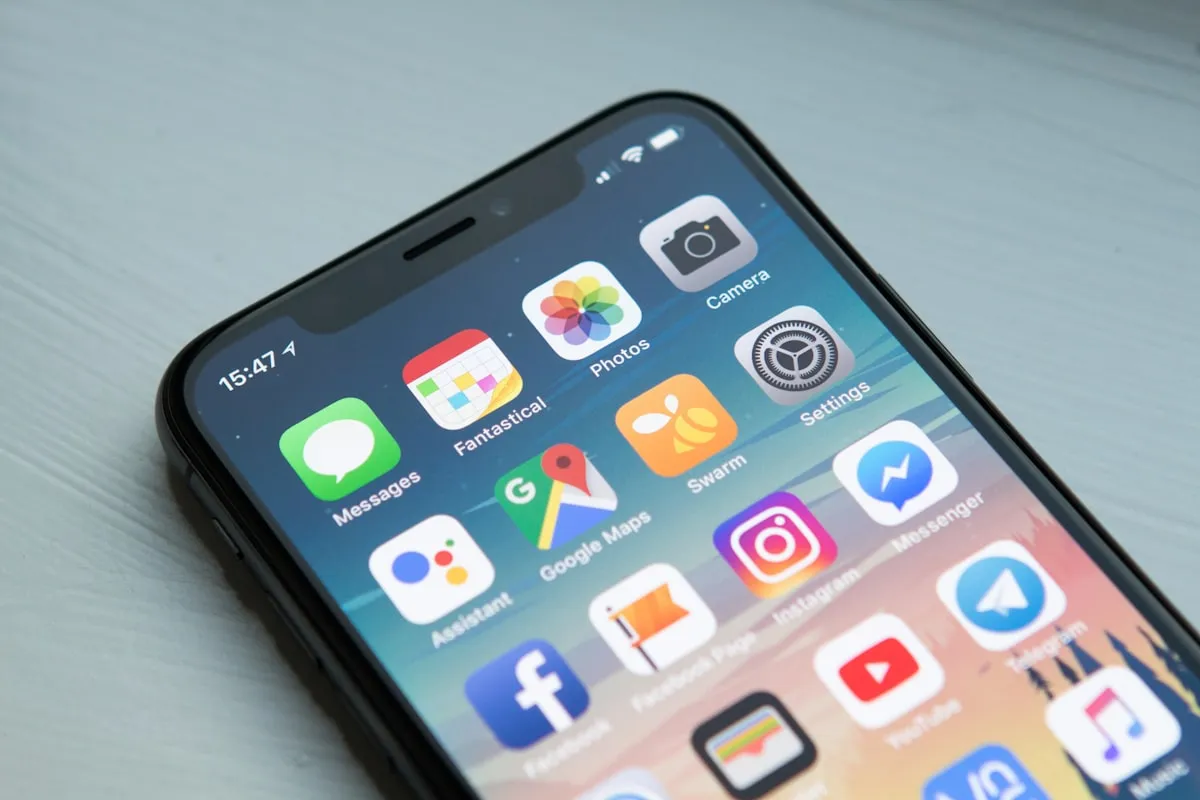
I landed in Marrakech at 10pm, walked out of the airport, and my phone had no signal. No data, no maps, no way to contact my riad, and no idea which of the twenty guys yelling "taxi!" at me was legitimate. I had the riad's address written on paper but it was somewhere deep in the medina -- a maze of narrow alleys with no street signs that even locals navigate by landmark.
I ended up paying triple the normal taxi fare and spent forty minutes wandering the medina in the dark with my suitcase, asking shopkeepers for directions in broken French. Found it eventually. Could have found it in three minutes with Google Maps.
That was the last time I arrived anywhere without a working phone.
Your Options, Ranked
There are basically five ways to get internet access abroad: local SIM cards, eSIMs, pocket WiFi devices, international roaming from your home carrier, and just relying on café WiFi. They range from cheap and reliable to expensive and terrible. Here's what actually works.
Local SIM Cards
Still the best value in most countries and still my go-to for longer stays. You buy a prepaid SIM from a local carrier, pop it in your phone, and you're on a local network with local prices. Simple.
Where to buy: Skip the airport kiosks. They charge 2-3x the normal price because they know you're desperate and jet-lagged. Instead, find a carrier shop in town. In most of Southeast Asia, there's a phone shop every fifty meters. In Europe, look for the carrier's branded stores (Vodafone, Orange, Movistar, etc.) on any main shopping street.
In some countries -- Thailand, Vietnam, Indonesia -- you can buy SIMs at convenience stores like 7-Eleven for next to nothing. In others, you'll need to visit an actual carrier shop with your passport for registration.
Typical costs: Southeast Asia is absurdly cheap. A month of data in Thailand costs 200-400 baht ($6-12) for 15-30GB. Vietnam is similar. Indonesia's Telkomsel offers tourist SIMs for about $5 with plenty of data.
Europe runs $10-25 for a prepaid SIM with a few weeks of data. France's Orange has solid tourist packages. Portugal's NOS and Spain's Orange both offer reasonable prepaid deals in the $15-20 range.
The US is expensive, as always. A prepaid month from Mint Mobile or T-Mobile starts around $15-25 but coverage varies wildly outside cities.
Japan is the exception to the local-SIM rule -- it's complicated to get one as a tourist, which is why pocket WiFi is still king there.
The catch: Your phone must be unlocked. If you bought it on a contract from a carrier, it might be locked to that network. Check before you leave. Most phones bought outright or from Apple/Samsung directly are unlocked. If yours isn't, call your carrier and ask them to unlock it -- most will do it for free if you've paid off the device.
eSIMs
This is the direction everything is moving, and in 2026 most travelers should at least consider it. An eSIM is a digital SIM card -- no physical card to swap, no tiny tray to fumble with, no paperclip needed. You scan a QR code or download a profile, and you're connected.
The good: You can buy one before you even board the plane. Set it up at home, land, turn it on, done. No hunting for SIM shops, no language barrier at the counter, no passport registration hassle. You can also keep your home number active on your physical SIM while using the eSIM for data.
The providers I've actually used:
Airalo is the biggest name and the one I use most often. Coverage in 200+ countries, plans starting at $4-5 for a few days of data. The app is straightforward. Data-only (no calls or texts on most plans), which is fine if you use WhatsApp or similar for communication. Regional plans for Europe or Southeast Asia are good value if you're crossing borders. A 5GB Europe plan covering 39 countries runs about $16.
Holafly markets heavily to tourists and offers unlimited data plans, which sounds great until you read the fine print. "Unlimited" means they throttle your speed after heavy usage. Fine for maps and messaging, frustrating for video calls or uploading photos. Their prices are higher than Airalo -- a 7-day European plan is around $27. Decent for short trips where you don't want to think about data limits, but not the best value per gigabyte.
Nomad eSIM sits somewhere in between. Reasonable prices, good coverage, clean interface. I've used it in Asia and it worked well. Less brand recognition than Airalo but worth comparing prices.
The bad: Not all phones support eSIM. iPhones from the XS (2018) onward do. Most Android flagships from 2020+ do. Check your specific model before counting on it. Also, eSIM data plans are generally more expensive per gigabyte than a local physical SIM. You're paying for convenience.
My take: For trips under two weeks, eSIMs are the move. The convenience of having data the moment you land is worth the small price premium. For longer stays, a local SIM card is still cheaper.
Pocket WiFi
A small battery-powered device that connects to the local network and creates a personal WiFi hotspot. You connect your phone, laptop, whatever. Popular in East Asia and useful in specific situations.
Where it shines: Japan is the classic pocket WiFi country. Local SIM options for tourists are limited and confusing, but you can rent a pocket WiFi at the airport or have one delivered to your hotel. Unlimited data, reliable connection, works everywhere from Tokyo to rural Hokkaido. Companies like WiFi Rental Japan and Japan Wireless charge about $4-8 per day.
South Korea is similar -- easy to rent at Incheon airport, cheap, works well.
The advantage for groups: One device covers multiple people. Traveling with a partner or friend? One pocket WiFi handles both your phones and a laptop. Cheaper than buying separate SIMs or eSIMs for everyone.
The downsides: It's another device to carry, charge, and not lose. Battery life is typically 8-12 hours, which means it'll die during a long day out unless you carry a power bank. And if you leave it at the hotel, your phone is useless.
I've mostly stopped using pocket WiFi since eSIMs became widespread, but for Japan specifically, it's still the easiest option for most tourists.
International Roaming
Your home carrier's international plan. Usually the worst value, sometimes unavoidable.
Most US carriers charge $10 per day for international roaming, which adds up fast. T-Mobile includes some international data free but at painfully slow speeds (2G-level). AT&T's International Day Pass is $12/day. Useful in an emergency, terrible as a primary plan for a multi-week trip.
The EU exception: If you have a European phone plan, EU roaming regulations mean you can use your home plan in any EU/EEA country at no extra charge. This is genuinely great. A French plan works in Spain, a German plan works in Italy, no action needed. This is one of those EU rules that actually changed daily life for millions of people.
UK carriers lost this benefit after Brexit. Most now charge $2-6 per day for EU roaming, though some plans still include it. Check before you go.
Café WiFi
Not a real strategy, but a backup worth understanding. Most cafés, restaurants, and hostels have free WiFi. Quality ranges from excellent (South Korea, Japan, most of Europe) to unusable (rural Southeast Asia, parts of Africa and South America).
Relying solely on café WiFi means you have no navigation between stops, can't contact anyone in transit, and are stuck if plans change on the fly. It's a 2010 backpacker strategy that doesn't hold up in 2026. Get a SIM or eSIM. Use café WiFi as a bonus, not a plan.
Country-Specific Notes
Japan: Pocket WiFi or eSIM. Physical SIM cards exist but the process is annoying for tourists. Rent a pocket WiFi at Narita or Kansai airport and save yourself the headache.
Southeast Asia (Thailand, Vietnam, Indonesia, Philippines, Cambodia): Local SIM card, every time. They're absurdly cheap and available everywhere. Most airports have legitimate SIM counters (one of the few places where airport purchase is fine, because the competition keeps prices reasonable).
Europe: eSIM for short trips, local SIM for longer stays. If you have an EU-based plan already, just use that across the continent.
United States: eSIM from Airalo or a prepaid plan from Mint Mobile or T-Mobile. US mobile data is expensive and coverage outside cities can be spotty regardless of carrier.
China: You need a VPN, and most foreign SIMs won't access Google, WhatsApp, Instagram, or other blocked services without one. Set up a VPN before you arrive -- you can't download one after. China Mobile's Hong Kong SIM with data roaming actually bypasses the Great Firewall in some cases, but this is inconsistent. Research current solutions close to your travel date because this changes frequently.
Practical Tips
Download offline maps before you go. Google Maps lets you download entire cities or regions for offline use. Open the app, search for a city, tap the three dots, hit "Download offline map." This works even with zero signal and has saved me countless times. Maps.me is another solid option with offline functionality.
Check your phone's unlock status. Settings > About Phone > look for "carrier lock" or "SIM lock." On iPhone: Settings > General > About > look for "No SIM restrictions." Do this weeks before your trip, not at the airport.
Watch your data usage. Turn off automatic app updates, disable background app refresh for data-heavy apps, and download entertainment (podcasts, Netflix, Spotify) on WiFi before heading out. Streaming over mobile data eats through plans fast.
VPN considerations. Beyond China, a VPN is useful for accessing home-country streaming services and securing your connection on public WiFi. I use one routinely at cafés and airports. NordVPN and Mullvad are both reliable options.
What to Avoid
Airport SIM card resellers who aren't official carrier stores. The guys with the folding table and a stack of SIM packages are charging 3-5x the going rate. Walk past them.
"Unlimited" plans that aren't. Read the terms. Many plans advertise unlimited data but throttle speeds after 2-5GB to the point where loading a map takes thirty seconds. True unlimited plans exist but they cost more.
Expensive hotel WiFi. Some hotels still charge $10-15 per day for WiFi. This was annoying in 2015 and it's offensive in 2026. Check before booking. If a hotel charges for WiFi, book somewhere else.
Buying a plan at the last minute. Walking out of an airport with no data and no plan is how you end up paying triple for everything. Spend ten minutes before your trip setting up an eSIM or researching where to buy a SIM on arrival. Future you will be grateful.
The right setup depends on where you're going, how long you're staying, and how much you care about convenience versus cost. But the one universal rule: have a plan before you land. A working phone with data turns you from a confused tourist squinting at a paper map into someone who can actually navigate, communicate, and handle whatever a trip throws at you.