There's this weird assumption that budget travel means suffering. That you're either booking five-star hotels or sleeping on a bench somewhere. In reality, most of the best trips I've been on cost way less than people expect, and not because I was depriving myself of anything meaningful.
The trick is pretty simple: you spend money on the stuff that actually makes a trip good, and you cut ruthlessly on the stuff that doesn't. Nobody comes home from a trip and says "wow, that $200/night hotel room really made the experience." They talk about the street food they ate at 2am, the conversation with a stranger on a train, the random village they stumbled into because they had the time and flexibility to wander.
Budget travel is really about buying more time. If you spend $150/day, your two-week trip costs $2,100. If you spend $40/day, that same money lasts almost eight weeks. More time means more experiences, slower pace, fewer rushed itineraries. It's not about deprivation. It's about math.
That said, there are real strategies that make a difference. Some of this is obvious, some less so. Here's what actually works.
Accommodation Is Where the Money Goes
Lodging eats 40-60% of most travel budgets. Cut this, and everything else gets easier.
Free Options
Couchsurfing is the original sharing economy and it still works. You stay with locals for free, and in return you're a good guest who brings something to the table (conversation, cooking, whatever). It requires an active profile and genuine engagement with the community.
House sitting is underrated. You watch someone's home and pets while they travel. Trusted Housesitters and MindMyHouse list opportunities worldwide. We've met people who haven't paid for accommodation in years doing this.
Work exchange programs like Workaway and WWOOF offer accommodation for 4-5 hours of daily work. Farms, hostels, eco-projects. It's everywhere, and the experiences tend to be more interesting than staying in a hotel.
Beyond Couchsurfing, platforms like Trustroots and BeWelcome offer similar free hosting with different community vibes.
Budget Options
Hostels run $10-30/night in most cities. They're social, usually centrally located, and often include breakfast. If you're over 30 and think hostels aren't for you, plenty of them have private rooms now.
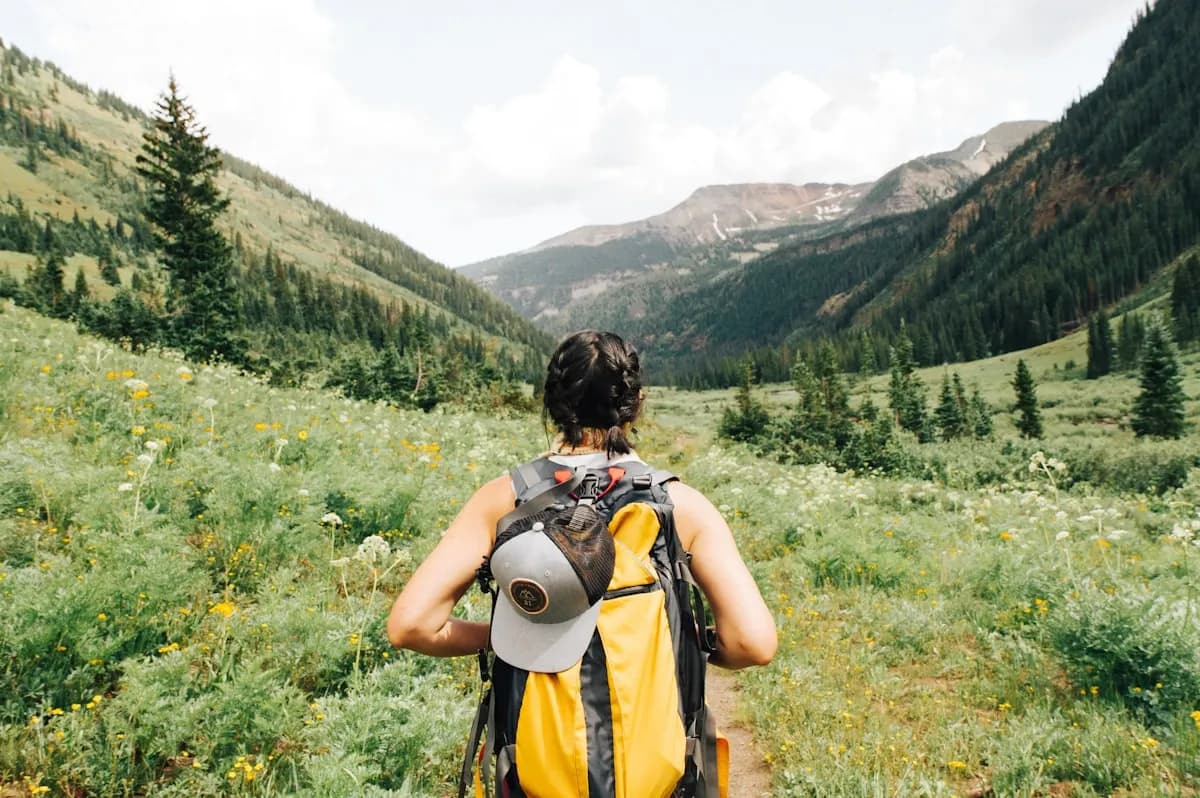
Camping costs $5-15/night and gets you closer to nature. Many Scandinavian countries have "right to roam" laws that let you camp almost anywhere.
Capsule hotels in Asia offer cheap private sleeping pods for $15-25. Weird at first, surprisingly comfortable.
Overnight buses and trains save you a night's accommodation while getting you to your next destination. Two birds, one ticket.
Getting More for Less
Book directly with hostels when possible. They often match online prices and you avoid booking fees. Ask about weekly rates if you're staying a while; discounts of 20-30% are common. Off-season travel drops prices across the board, and staying in neighborhoods just outside city centers can cut costs in half without adding much commute time.
Getting Around Cheaply
Flights
Flexible dates are the single biggest money saver for flights, often 30-50% cheaper than fixed dates. Budget carriers work well for short hops within a region. Mistake fares and flash sales pop up regularly if you follow deal sites. And if you're flying expensive long-haul routes, credit card points and miles are worth learning about.
Google Flights, Skyscanner, and Momondo are the tools that matter. The Flight Deal posts error fares worth watching.
Ground Transport
Overnight buses are a budget traveler's best friend. You save on accommodation and cover distance while you sleep. BlaBlaCar is great in Europe for rideshares between cities. Hitchhiking is still a thing in many countries, and Hitchwiki.org has detailed route information if you're into it.
Walking costs nothing and honestly reveals more of a city than any bus tour. I'd always rather walk an hour through interesting streets than take a 15-minute metro ride.
Getting Around Cities
Monthly transit passes make sense even for week-long stays in many cities. Bike-share systems are everywhere now. Uber and Grab are often cheaper than taxis in developing countries. And again: walking is free.
Eating Well Without Spending Much
Cook When You Can
Hostels with kitchens are a game. Breakfast from groceries, packed lunches for day trips, shared dinners with people you meet. Cooking with hostel friends and splitting costs is one of those things that sounds boring but ends up being a highlight.
Eat Where Locals Eat
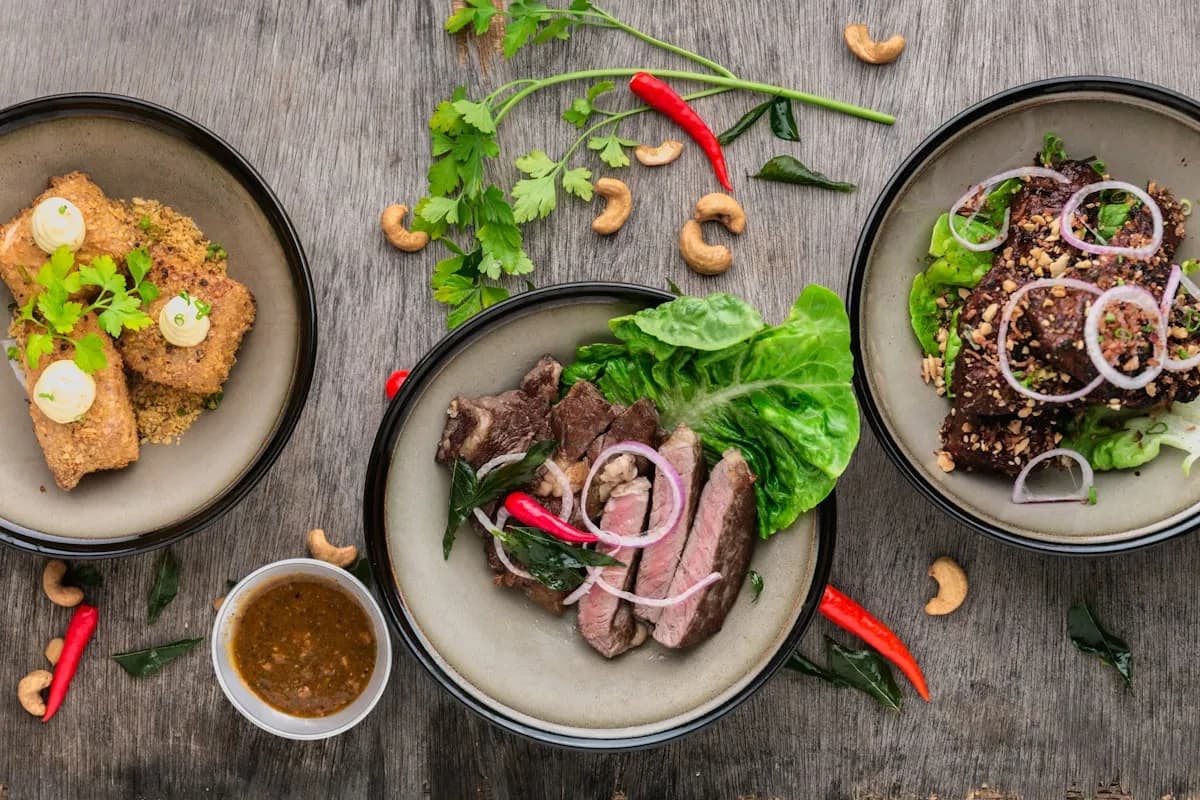
Tourist restaurants charge a premium for mediocre food. The best meals are usually at market stalls, food halls, and street food vendors. University cafeterias are sometimes open to the public and absurdly cheap. Lunch specials at local restaurants offer the same food as dinner at lower prices.
Water is often free if you ask, or just bring a refillable bottle. Sharing dishes when portions are big saves money and lets you try more things. Alcohol and desserts are where restaurant bills inflate quickly, so be aware of that if you're watching spending.
Free Food Is Real
Hostel breakfasts (when included), happy hour snacks at bars, tip-based food tours, and supermarket samples. It adds up.
Activities: Most of the Good Stuff Is Free
Walking tours (tip-based) are consistently some of the best value in travel. Museums often have free days or hours. Parks, beaches, nature, religious sites, street festivals, viewpoints, public spaces. The things that make a destination special are rarely behind a paywall.
For paid activities, look into happy hour pricing at expensive bars, student discounts (some places accept any student-looking ID), and city passes if you're hitting multiple attractions. Book tours early for discounts.
I'd honestly skip most "tourist traps." Expensive observation decks when there's a rooftop bar with the same view. Overpriced organized tours when you can DIY. Anything that shows up on the first page of a tourist map is usually overcrowded and overpriced.
Slow Travel Saves Money
This is counterintuitive but true. Traveling slower is cheaper. Less transport between destinations. Weekly and monthly accommodation discounts. More time to cook meals. You find local deals that rushed tourists miss. You spend less in "tourist mode."
Two weeks in one place often costs less than one week visiting four cities. And you actually get to know a place instead of just photographing it.
Where Your Money Goes Furthest
Your currency's purchasing power matters more than your daily budget number.
Southeast Asia (Vietnam, Cambodia, Laos, Indonesia) is doable at $20-40/day. South Asia (Nepal, India, Sri Lanka) can work at $15-30/day. Central America (Guatemala, Nicaragua, Honduras) runs $25-40/day. Eastern Europe (Bulgaria, Romania, Poland) and the Balkans (Albania, North Macedonia, Kosovo) are $25-50/day.
Western Europe, Scandinavia, Australia, and Japan require different strategies or just accepting higher daily costs. You can still do them on a budget, but the floor is higher.
Handling Money Abroad
Get a no-foreign-transaction-fee card before you leave. This is non-negotiable. The Wise card gives you the best exchange rates for spending abroad. Charles Schwab (for US residents) reimburses all ATM fees worldwide. Never exchange money at the airport. Just don't.
Keep multiple cards in separate locations. Have some emergency cash stashed somewhere. Make digital copies of important documents. And get travel insurance. It's not expensive, and it prevents the kind of catastrophic costs that can wreck your finances.
Track spending with an app like Trail Wallet or Trabee. Set daily budgets, review weekly, and build in a buffer for emergencies.
Working While You Travel
Remote freelancing (writing, design, programming), online teaching, virtual assistance, and content creation are all increasingly accessible while traveling. For location-based work, look into seasonal tourism jobs, teaching English, hostel work, or farm work (especially in Australia and New Zealand).
Working holiday visas in certain countries let you work legally while exploring. Worth looking into if you're eligible.
Making It Sustainable Long-Term
Before you go: pay off high-interest debt, build an emergency fund at home, automate your bills, and consider renting out your place while you're gone.
While traveling: do regular budget reviews, think in monthly terms not daily, keep emergency funds separate from travel money, and know when to take breaks. Traveling is still spending, even when it's cheap.
The real goal isn't one epic trip. It's building a lifestyle where travel is a regular thing. Go home sometimes to rebuild savings. Balance cheap destinations with expensive ones. Work on developing location-independent income. Get better at travel hacking over time.
Sample Daily Budgets
Shoestring ($25-35/day): Dorm beds or Couchsurfing, cook most meals, free activities, slow pace, budget destinations.
Comfortable ($50-75/day): Mix of dorms and private rooms, eating out sometimes, occasional paid activities, more flexibility in where you go.
Flashpacker ($100-150/day): Private rooms or boutique hostels, restaurant meals, regular activities and tours, faster travel pace.
One Last Thing
The cost of not traveling is real. Flexibility decreases with age. Health isn't guaranteed. Whatever freedom you have right now won't last forever.
That's not an argument for being financially reckless. It's a reminder that "someday" has a tendency to become "never." With even basic budget strategies, travel is more accessible than most people think.