I used to be a two-bag person. Sometimes three. I'd pack "just in case" outfits, backup shoes, a whole separate toiletry bag that weighed more than my laptop. And then I'd spend half my trip dragging all of it through train stations, up narrow hostel staircases, and across cobblestone streets, sweating and wondering why I'd brought a blazer to Southeast Asia.
The switch to one bag happened almost by accident. A budget airline lost my checked bag on a trip to Portugal, and I spent four days with just my carry-on. By the time the airline found my suitcase, I realized I hadn't really missed anything in it. That was the moment it clicked.
One-bag travel isn't some minimalist lifestyle flex. It's purely practical. You walk off the plane and you're done -- no baggage claim, no waiting, no anxiety about lost luggage. You can change plans on a whim because everything you own is on your back. Budget airlines can't charge you extra. And there's a mental lightness to having less stuff that's hard to explain until you've felt it.
I've been doing this for years now, for trips ranging from a weekend to several months. Here's what I've figured out.
Choosing the Right Bag
This is the most important decision you'll make. Get the bag right and everything else falls into place.
Size
Most airlines allow carry-ons around 40-45 liters. The sweet spot is 30-40 liters -- small enough to shove under a seat when needed, large enough for extended trips. Going bigger than 45L is tempting but usually means you'll fill the extra space with stuff you don't need.
Bags I'd Recommend
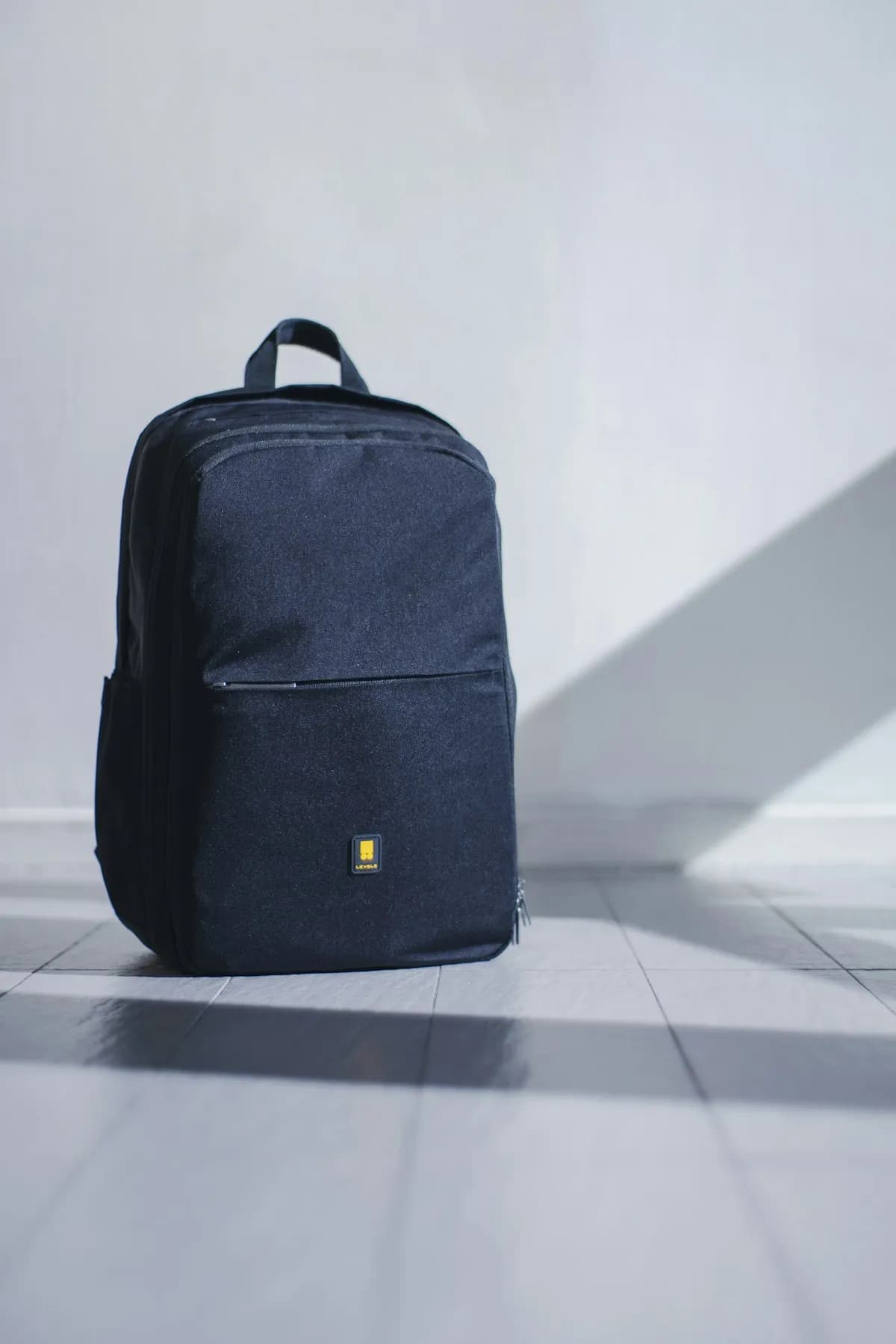
The Osprey Farpoint/Fairview 40 is the classic choice for a reason. Comfortable, durable, opens like a suitcase. The Peak Design Travel Backpack 45L is the premium option with excellent organization (especially if you carry camera gear). The Tortuga Outbreaker 35L works well for business travelers who need to look somewhat professional. The Patagonia Black Hole 40L is simple, tough, and uses recycled materials. And if you're on a budget, the Decathlon Forclaz 40L is surprisingly good for the price.
What to look for in any bag: a full clamshell opening so you can pack it like a suitcase, a hip belt for comfort (ideally removable), multiple access points so you're not digging through everything to reach one thing, and compression straps.
Building a Capsule Wardrobe
The secret to packing light isn't better folding techniques. It's owning fewer, more versatile clothes.
The Formula
Here's what I bring regardless of destination: 3-4 tops (mix of t-shirts and something with a collar), 2 bottoms (one pants, one shorts or a second pair of pants depending on climate), 1 light jacket or sweater, 3-4 pairs of underwear, 3-4 pairs of socks, and 2 pairs of shoes maximum (one on my feet, one in the bag).
That's it. You're going to wear the same things repeatedly, and nobody notices or cares. Once I accepted that, packing got dramatically easier.
Why Fabric Matters
Merino wool is worth every penny for travel. It resists odor better than anything else, regulates temperature, and dries quickly. I wear merino t-shirts and underwear on every trip. Synthetic athletic wear is the budget alternative -- quick-drying, packable, and easy to wash in a sink.
What I avoid: heavy cotton (absorbs sweat, takes forever to dry), heavy denim, and anything that wrinkles the second you look at it sideways.
Color Strategy
Stick to neutrals that all work together: black, gray, navy. Maybe one or two accent colors. The goal is that any top works with any bottom. It sounds boring, but it means you never waste mental energy on outfit decisions while traveling.
How to Actually Pack
Packing Cubes
I resisted these for years, thinking they were unnecessary. I was wrong. They keep everything organized and compressed, and they make it easy to find things without unpacking your entire bag. I use one for clothes, one for underwear and socks, one for tech, and one for toiletries.
The Bundle Method
Lay all your clothes flat on top of each other, then roll them around a central core (your toiletry bag works well). It reduces wrinkles and keeps things surprisingly compact.
Compression Bags
For bulkier items like sweaters or down jackets, compression bags are worth it. Roll out the air and you cut the volume roughly in half.
Toiletries
You need less than you think. My kit: toothbrush and a small toothpaste, solid deodorant, a small bottle of sunscreen, face wash (doubles as body wash), a razor, and prescription medications.
I stopped carrying shampoo (body wash or hotel supplies work fine), large bottles of anything, and those "just in case" items that sit in my bag untouched for the entire trip. You can buy almost anything you need at your destination, usually cheaper than what you packed.
Keep all liquids in containers under 100ml, in one clear quart-sized bag. That's the 3-1-1 rule for airport security.
Tech
What I Always Bring
Phone plus charger, one universal adapter (one is enough), a power bank under 100Wh (the airline limit for carry-on), and earbuds. If I'm working remotely, I add my laptop. An e-reader if I'm in a reading phase.
What I Stopped Bringing
Multiple adapters. Full-size headphones (unless they're essential for your work or sanity). A tablet and a laptop and a phone -- pick two at most. And anything I'm "not sure" about, because that uncertainty is the answer.
The Laundry System
This is the thing that makes one-bag travel work. You wash clothes. Frequently.
Sink washing handles underwear, socks, and light shirts easily. Bring a universal sink stopper if your accommodation doesn't have one. Laundromats exist everywhere and can double as a chance to explore a new neighborhood for an hour. Hotel laundry varies wildly in price -- sometimes it's reasonable, sometimes a single shirt costs $8, so check first.
This is why fabric choice matters so much. Merino wool and synthetics dry overnight hung on a towel rack or near a fan. Cotton takes two days and still smells damp. If you're in a rush, wring clothes in a towel to remove moisture and hang them near air conditioning.
Special Situations
Cold Weather
Layering is everything. A merino base layer, an insulating mid-layer (fleece or down), and a packable rain jacket as an outer layer handles most cold weather. A packable down jacket compresses to almost nothing but provides serious warmth -- it's the single best cold-weather item for one-bag travel.
Business Travel
One blazer in a wrinkle-resistant fabric. Button-down shirts that don't need ironing. Dark pants that work in both professional and casual settings. One pair of dress shoes that can pass as casual. It's tighter constraints than leisure travel, but still doable in one bag.
Beach Destinations
Quick-dry swim trunks that double as regular shorts. Light, breathable fabrics. Reef-safe sunscreen. A packable sun hat. Beach trips are actually the easiest to pack for.
The Checklist
Clothing: 3-4 tops, 2 bottoms, 3-4 underwear, 3-4 socks, 1 light jacket, sleepwear (optional -- a t-shirt works)
Shoes: Walking shoes (worn on the plane), sandals or flip-flops
Toiletries: Toothbrush and paste, deodorant, sunscreen, face wash, medications
Tech: Phone and charger, universal adapter, power bank, earbuds
Documents: Passport, travel insurance info, credit cards, some local currency
Extras: Reusable water bottle, sunglasses, packing cubes
Mistakes I've Made So You Don't Have To
Packing "just in case" items. Every single time, they came home unused. If you're debating whether to bring something, leave it.
Too many shoes. They're the heaviest, bulkiest things in your bag. Two pairs is the maximum. One pair is even better if you can swing it.
Ignoring weight distribution. Heavy stuff goes close to your back, or your shoulders will hate you by hour two.
Skipping the test pack. Do a practice run before your trip. Walk around the block with the full bag. Adjust.
Burying daily essentials. Keep your phone, passport, wallet, and anything you'll need at the airport in an easy-access pocket. Digging through your entire bag at security is not a great look.
The Actual Hard Part
The hardest part of one-bag travel isn't learning what to pack. It's accepting that you don't need most of what you usually bring. You'll wear the same few outfits on repeat. Your hair product selection will be exactly one item. You won't have the "right" shoes for every occasion.
And none of that matters. Not even a little. Nobody on your trip is tracking your outfit rotation. Once you experience how it feels to walk off a plane with everything on your back and just go -- no carousel, no waiting, no worry -- you won't want to travel any other way.