The first time I traveled alone, I almost didn't go. I'd booked the flight weeks earlier, but the night before, I sat on my bed with a packed bag and a growing list of reasons this was a terrible idea. Who would I talk to? What if something went wrong? What if I just... hated it?
I went anyway. And within about 48 hours, I couldn't imagine why I'd been so nervous. Not because everything went perfectly -- my first hostel was loud, I got lost twice, and I ate a truly sad dinner alone at a tourist trap. But none of that mattered, because the feeling of navigating it all on my own terms was something I hadn't experienced before. It's hard to explain until you feel it.
Here's the thing about solo travel anxiety: almost everyone has it before their first trip, and almost everyone wonders what the big deal was afterwards. The fears are universal -- loneliness, safety, awkwardness -- and they're almost universally overblown. That doesn't mean solo travel is always easy, but the hard parts are rarely the ones you worried about in advance.
This isn't a "you should definitely travel solo, it'll change your life!" pep talk. It might change your life, or it might just be a nice trip. Either way, here's the practical stuff I wish someone had told me before that first solo flight.
Why Bother?
The obvious draw is complete freedom. You wake when you want, eat what you want, change plans without negotiating with anyone. That sounds minor until you've spent a group trip doing things you didn't want to do because someone else insisted.
But the less obvious benefit is how approachable you become. Solo travelers meet more people than group travelers, almost without exception. When you're alone, you're open. People approach you. You approach them. Conversations happen naturally in hostels, on tours, at cafes. Traveling with friends actually insulates you from these interactions in ways you don't notice until you travel without them.
And yeah, there's the confidence thing. Navigating unfamiliar places alone, solving problems without backup, making decisions with nobody to consult -- it builds a quiet self-reliance that follows you home.
Picking Your First Destination
Not everywhere is equally easy for a first solo trip. English-speaking countries (UK, Ireland, Australia, New Zealand) eliminate language barriers entirely. Well-traveled backpacker routes in Southeast Asia, Europe, and Central America have built-in infrastructure for independent travelers. Japan, Singapore, Portugal, and Iceland are remarkably safe and easy to navigate solo.
For your first time, pick somewhere with a strong hostel culture -- that makes meeting people almost effortless. Save the more challenging destinations (places with complex bureaucracy, significant safety concerns, or limited tourism infrastructure) for when you've got a few solo trips under your belt.
Start comfortable. Push boundaries later.
Where to Stay
Even if you think you're past "hostel age" (you're not, by the way -- I've met solo travelers in their 60s at hostels), hostels solve solo travel's biggest challenge: meeting people. Choose 4-6 bed dorms for a balance of social and restful. Read reviews for "social atmosphere." Use the common areas -- that's where connections happen. And join hostel-organized activities, even if they feel awkward at first.
Mix hostel nights with occasional private rooms when you need quiet or just want to recharge. Airbnb private rooms, budget hotels in smaller cities, and guesthouses with communal spaces all work well for this.
Safety, Honestly
Solo travel is remarkably safe. I want to be clear about that upfront, because safety anxiety keeps a lot of people from ever trying it. The vast majority of solo travelers -- including solo female travelers -- complete their trips without any serious incidents.
That said, smart precautions make sense. Before you go: register with your country's travel advisory service, share your itinerary with someone at home, get comprehensive travel insurance (this one is non-negotiable), and read up on destination-specific concerns.
While traveling: trust your instincts. If a situation feels wrong, leave. You don't owe strangers politeness. Stay aware of your surroundings, especially in unfamiliar areas. Keep alcohol moderate, particularly early in a trip when you're still getting your bearings. And keep valuables secure -- money belt, hidden pockets, or locked in your accommodation.
At night, stick to well-lit populated areas, know your route back before going out, and use rideshare apps over random street hails.
For solo female travelers specifically: research cultural expectations about dress and behavior, connect with other solo female travelers online (the communities are huge and incredibly helpful), and use female-dorm options when available. Solo female travel is common and overwhelmingly safe, but it does sometimes require a different kind of awareness.
Meeting People Is Easier Than You Think
The biggest fear for most first-timers is loneliness. The reality? You'll have to actively seek solitude to be alone. I'm not exaggerating.
Hostels are the obvious social hub -- common rooms, shared kitchens, organized pub crawls and day trips. Tours, walking tours, and cooking classes put you in small groups where conversation happens naturally. Coworking spaces work well if you're a digital nomad. And a simple trick for cafes and bars: sit at the bar counter, not a table. It signals that you're open to chatting.
Apps help too. Hostelworld has a hangout feature for connecting with other guests. Couchsurfing runs local events and meetups. Meetup.com has interest-based gatherings worldwide. Facebook groups for solo travelers in specific cities can be goldmines for finding people to grab dinner with.
As for conversation starters -- don't overthink it. "Where are you from?" and "How long have you been traveling?" are cliches for a reason. They work. Most solo travelers are actively looking for connection, just like you.
About the Loneliness
I'd be lying if I said you'll never feel lonely. You will. There'll be a moment -- scrolling Instagram while everyone else seems to be surrounded by friends, eating dinner alone in a quiet restaurant, missing your people -- when it hits.
It's normal and it passes. Video calls with home help more than texting. Journaling helps process the feeling. Maintaining small routines (exercise, a morning coffee spot, regular sleep) provides stability. And often, the loneliest moments come right before the best connections. Push through them.
One thing that amplifies loneliness more than anything: your phone. Put it away. The more you scroll, the worse you'll feel.
Eating Alone
This intimidates a lot of people, but here's the secret: nobody in the restaurant is thinking about you. They're focused on their own food and their own conversations. You are invisible, and that's liberating.
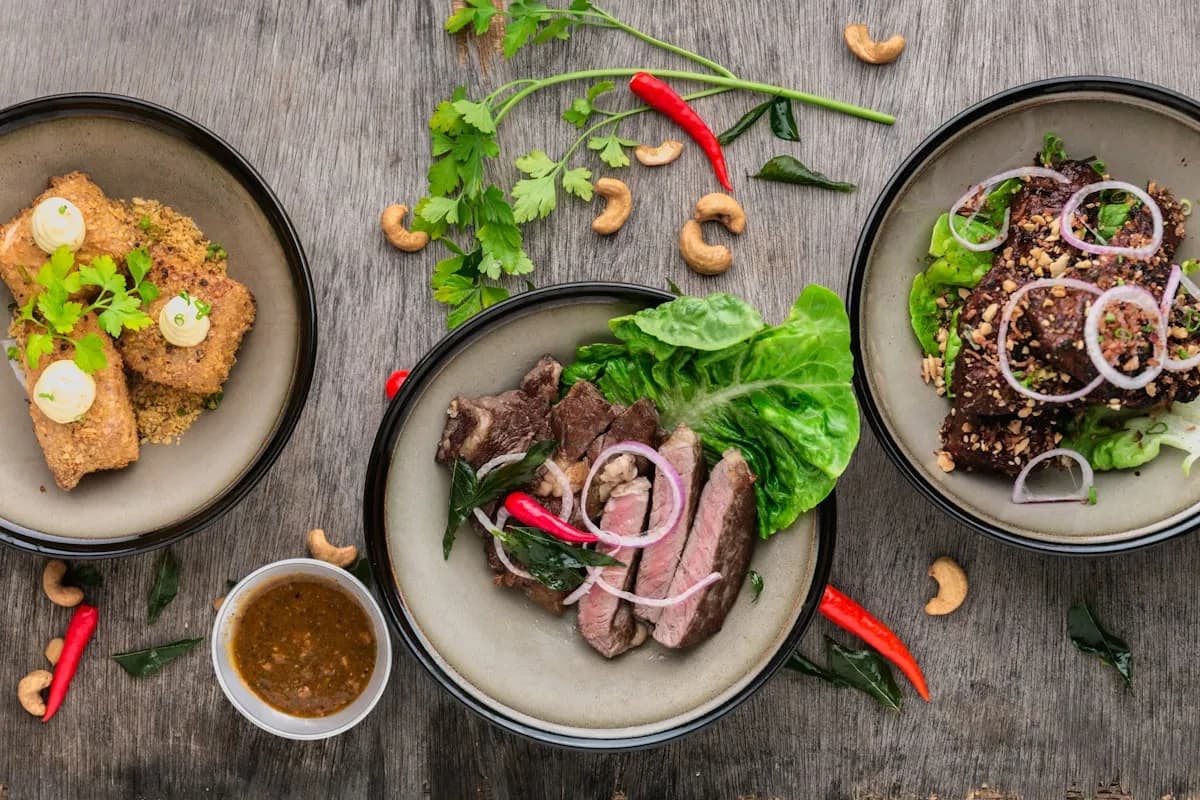
Sit at bar counters when available -- it feels more natural and sometimes the bartender or the person next to you starts chatting. Bring a book or journal (not just your phone). Embrace it -- solo dining genuinely becomes a pleasure once you get past the initial awkwardness. Street food and markets feel easier solo than sit-down restaurants if you need a stepping stone. And lunch is less intimidating than dinner if you're easing into it.
Practical Stuff
Money: Notify your bank of your travel plans. Carry two different cards as backup. Keep emergency cash in a separate location from your wallet. Use Wise (formerly TransferWise) for currency exchange -- the rates are hard to beat.
Packing: Without a travel partner to share weight, pack light. Carry-on only eliminates baggage wait and the risk of lost luggage. Do laundry every 4-5 days and you can get away with minimal clothing. Less stuff means more mobility, and mobility matters a lot when you're solo.
Navigation: Download offline maps before arriving anywhere. Screenshot important addresses. Keep your accommodation address written in the local script (save it in your notes app). Learn a handful of phrases in the local language -- people appreciate the effort even if your pronunciation is terrible.
Communication: Get a local SIM or international data plan. WhatsApp works nearly worldwide. Know the local emergency number.
Stay Flexible
One of solo travel's greatest gifts is spontaneity, so use it. Book your first 2-3 nights only. Have a rough route, not a rigid schedule. Let the travelers you meet influence your direction -- some of the best recommendations come from people you run into at hostels.
Give yourself permission to change plans. That week you planned in one city? Leave after two days if it's not working. You're accountable to nobody. This freedom is the whole point.
Solo Travel Across Ages
In your 20s, hostels are natural fits, budget constraints are expected, and the social infrastructure is built for you. In your 30s and 40s, mix private rooms with social hostels, use your higher disposable income for experiences, and look into flashpacker accommodations that bridge the gap between hostel and hotel. At 50 and beyond, consider small group tours with solo-friendly pricing, longer stays in fewer places, and accommodations with more comfort. Solo travel has no age limit -- I've met some of the most interesting solo travelers well past retirement.
Mistakes First-Timers Make
Overpacking is number one. You will regret that extra "just in case" item. Over-planning is number two -- leave room for the unexpected, because the unexpected is usually the best part. Staying glued to your phone instead of engaging with your surroundings. Saying no to invitations from other travelers (unless you're genuinely uncomfortable, say yes). Comparing your trip to other people's trips on social media. Not asking locals for help -- most people genuinely want to help tourists. And rushing through too many places when slowing down would reveal more.
Coming Home
Fair warning: solo travel does something to you. When you come back, you'll probably be more confident, less dependent on others for validation, more comfortable with uncertainty, and restless for the next trip.
Your first solo trip won't be perfect. Mine certainly wasn't. But it doesn't need to be perfect -- it just needs to happen. Every experienced solo traveler started exactly where you are right now. The only difference between them and you is they booked the flight.