Most people fly into Seoul, spend a week eating fried chicken and wandering Hongdae, and fly home thinking they've seen Korea. And look, Seoul is fantastic. But it's a bit like visiting New York and thinking you've seen America.
The thing about South Korea is that it's small. Really small. You can get from Seoul to almost anywhere in the country in under three hours by train. And once you leave the capital, the vibe shifts dramatically. Busan feels like a completely different country. Jeju is basically Korea's Hawaii. Gyeongju is an entire city built on ancient tombs.
We spent most of our time outside Seoul on our last trip, and honestly, those were the days that stuck with us. A random seafood market in Busan where someone handed us a live octopus tentacle. Hiking Hallasan on Jeju and being completely alone above the clouds. Watching the sun set over thousand-year-old burial mounds in Gyeongju.
If you're planning a Korea trip and your itinerary is Seoul-only, consider carving out at least a few days for the rest of the country. The transportation is absurdly good, everything is affordable, and you'll see a side of Korea that most tourists miss entirely.
Here's where we'd send you.
Busan: Korea's Coastal City
South Korea's second-largest city has a completely different energy from Seoul. It's more relaxed, more beach-oriented, and the seafood is arguably better.
The Highlights
Gamcheon Culture Village is a hillside neighborhood with colorful houses, street art, and winding alleyways. People call it the "Santorini of Korea," which is a stretch, but it's worth seeing. Go early morning before the tour buses arrive.
Haeundae Beach is Korea's most famous beach and a solid spot for people-watching. The surrounding area has great restaurants, and Haedong Yonggungsa Temple is nearby and worth the detour.
Jagalchi Fish Market is the largest seafood market in Korea. You pick something fresh, they prepare it on the spot. It's loud and chaotic and one of the best meals you'll have in the country.
Gwangalli Beach has a more local feel than Haeundae. The illuminated Gwangan Bridge at night is genuinely impressive, and the restaurants along the waterfront are less touristy.
Getting There
KTX bullet train from Seoul takes about 2.5 hours. Book in advance if you want a window seat -- the countryside views on the way down are beautiful.
Jeju Island: Worth the Hype
Jeju is Korea's honeymoon destination, but don't let that put you off. This volcanic island has landscapes unlike anywhere else in the country, and it's easy to fill three or four days here.
Nature
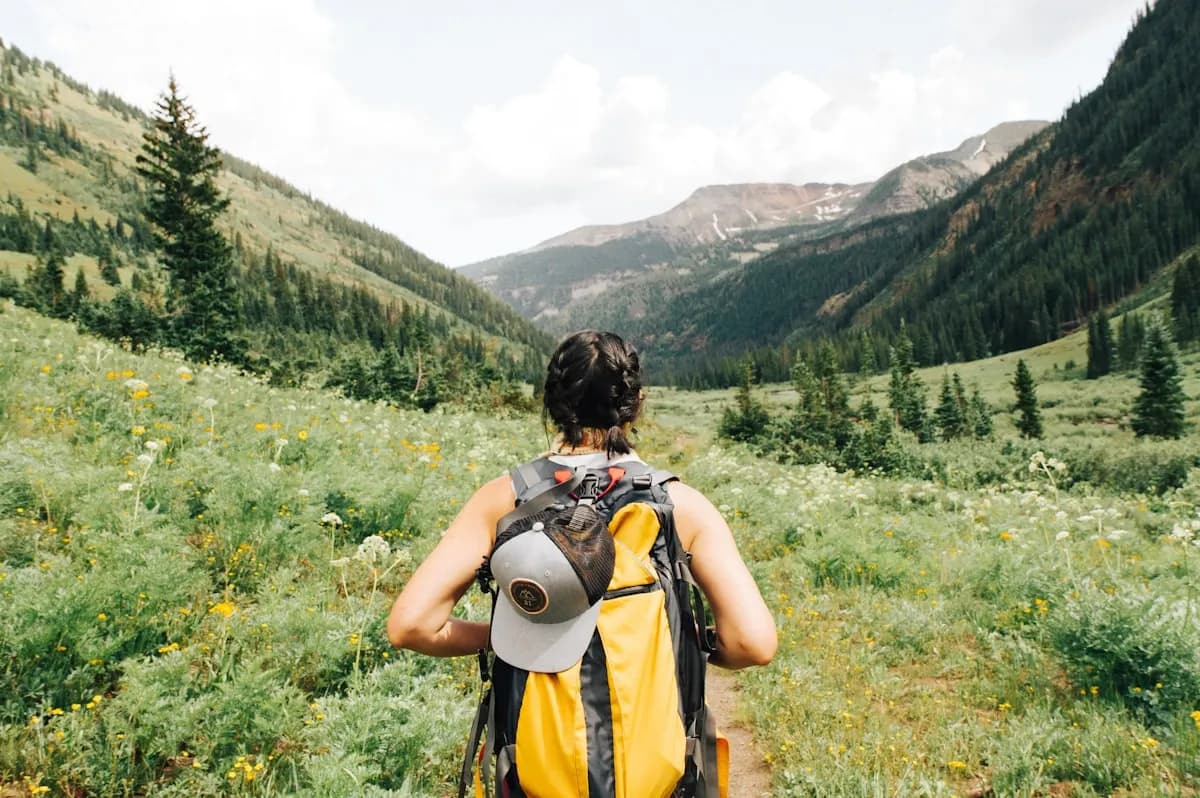
Hallasan Mountain sits at the center of the island. It's Korea's highest peak, and the summit hike takes 8-10 hours round trip. It's a commitment, but the views are unreal. Bring layers -- the weather changes fast up there.
Manjanggul Cave is one of the world's longest lava tubes and a UNESCO site. It has a quiet, almost eerie beauty to it.
Seongsan Ilchulbong, the "Sunrise Peak," is an ancient volcanic crater. The sunrise hike is popular for good reason, though the climb is steeper than it looks.
Cheonjiyeon and Jeongbang Waterfalls are both gorgeous, surrounded by thick green vegetation. Jeongbang is one of the few waterfalls in Asia that drops directly into the ocean.
Things You Shouldn't Skip
The haenyeo diving women are remarkable. These female divers harvest seafood using traditional free-diving techniques, and it's a UNESCO Intangible Cultural Heritage. You can watch them work at several spots around the island.
Jeju black pork is the island's specialty, and it lives up to the reputation. Find a local BBQ spot rather than one in the tourist zone.
The O'Sulloc tea fields and museum are beautiful and make for a relaxed afternoon, especially if you're tired from hiking.
Getting There
Flights from Gimpo Airport take about an hour. There are dozens of daily departures, so it's easy to book even last minute.
Gyeongju: An Open-Air Museum
Gyeongju was the capital of the ancient Silla Kingdom, and the entire city feels like a museum without walls. If you have any interest in history, this is a must.
Bulguksa Temple is a masterpiece of Buddhist art and a UNESCO World Heritage Site. The surrounding forest trails are peaceful and worth an extra hour of wandering.
Seokguram Grotto houses a Buddha statue considered a national treasure. It requires a short hike to reach, and it's absolutely worth it.
Tumuli Park is surreal -- massive grassy burial mounds right in the heart of the city. They look like green hills dropped into an urban landscape. Best at sunrise or sunset when the light is soft.
Cheomseongdae Observatory is the oldest surviving astronomical observatory in Asia. It's small and easy to miss, but the history behind it is fascinating.
Day Trip or Overnight?
You can do Gyeongju as a day trip from Seoul (2 hours by KTX), but staying overnight is better. It lets you see the tombs at different times of day and explore without rushing. The town itself is quiet and pleasant in the evening.
Andong: Traditional Korea, Preserved
For anyone seeking authentic Korean culture that hasn't been polished for tourists, Andong delivers.
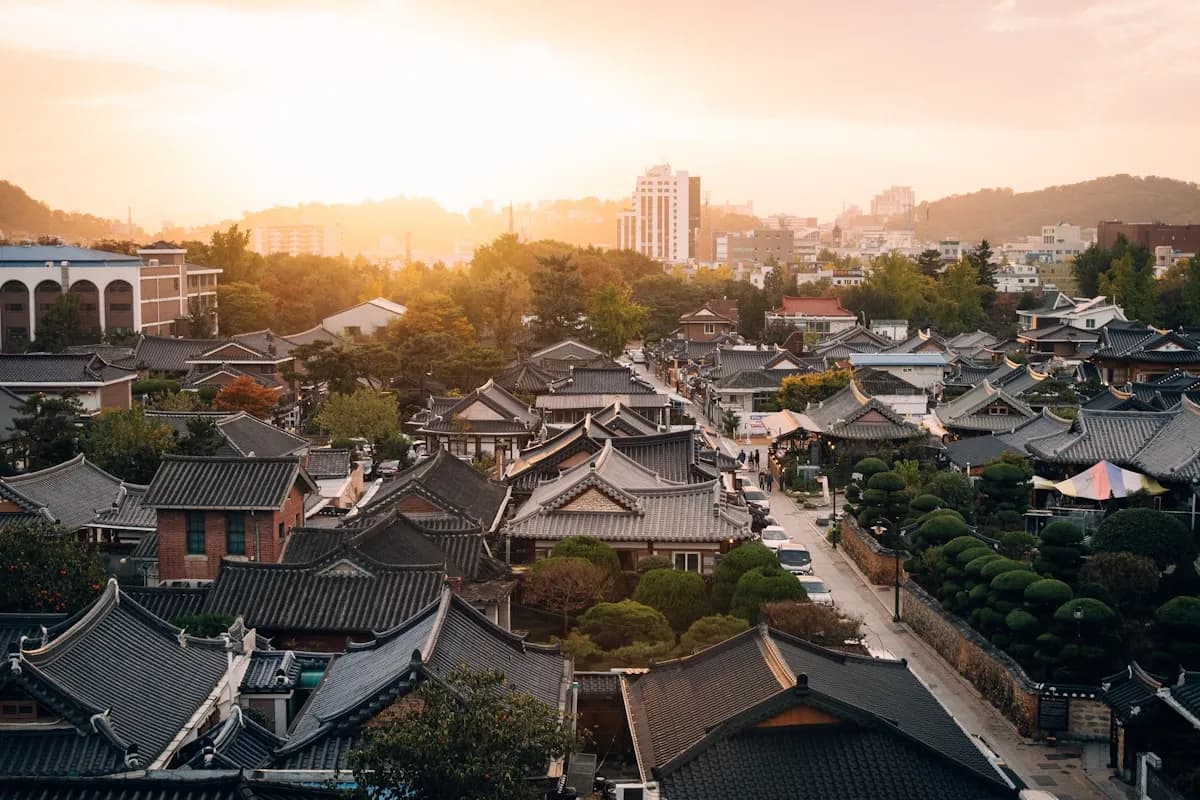
Hahoe Folk Village is a UNESCO World Heritage site where descendants of the original residents still live in traditional hanok houses. The mask dance performances are excellent and genuinely entertaining, not just "cultural."
Dosanseowon Confucian Academy is one of Korea's most important Confucian academies, set in a beautiful natural location along the river.
And then there's Andong jjimdak -- braised chicken that originated in this city. Head to the famous Andong Jjimdak Alley and pick whichever place has the most locals inside.
Seoraksan National Park
This is Korea's most dramatic mountain scenery. If you're a hiker, plan at least a full day here.
The Ulsanbawi Rock hike is challenging (4-5 hours) but the dramatic rock peaks at the top are spectacular. For an easier option, take the cable car to Gwongeumseong and walk to the fortress ruins for mountain views without the full workout.
The Biseondae trail is relatively easy and takes you to a beautiful rocky area where the mountain meets the stream. It's a good option if you don't want an all-day hike.
Fall (October-November) is the best time to visit -- the autumn colors are stunning. Spring is also nice with cherry blossoms. I'd avoid peak summer weekends when the trails get uncomfortably crowded.
Jeonju: Where You Go to Eat
If you love Korean food, Jeonju is a pilgrimage. This city is famous for its cuisine and well-preserved hanok architecture.
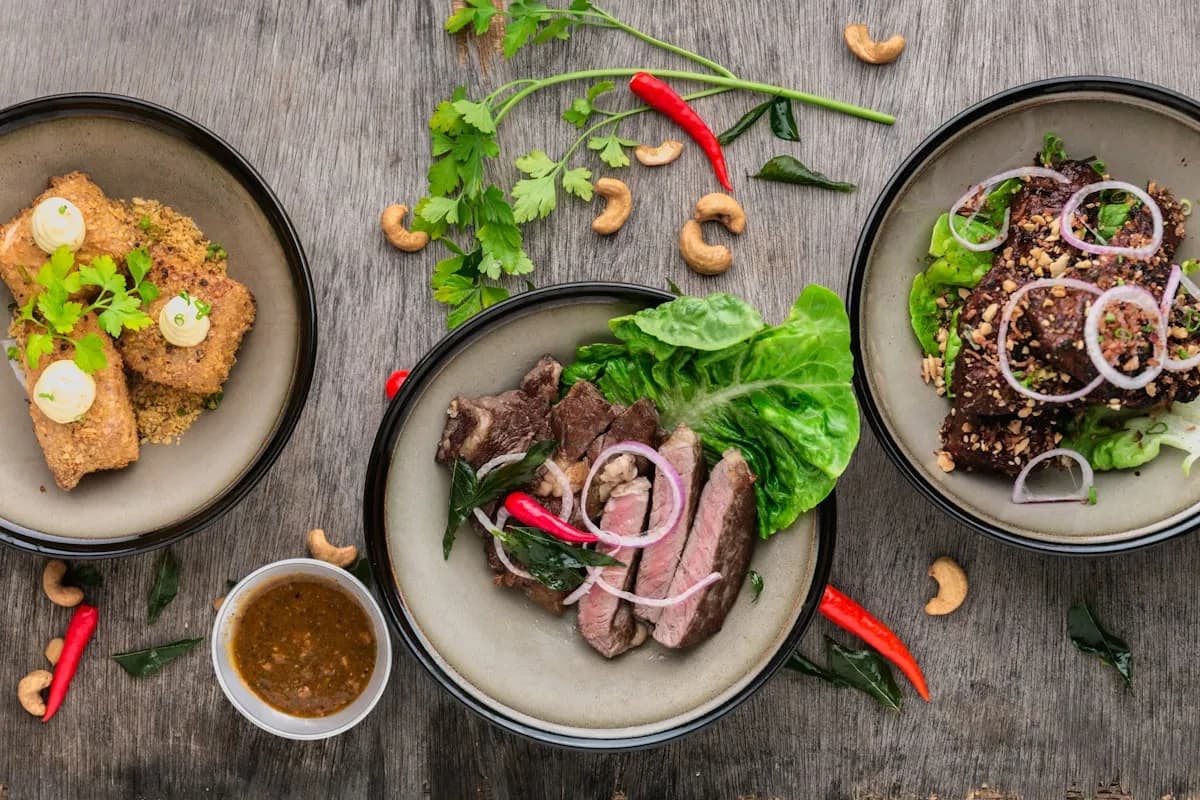
Jeonju bibimbap is considered the definitive version of the dish, and having it here versus anywhere else is a noticeable difference. The makgeolli alley is a great time -- sample traditional rice wine alongside what feels like an endless parade of side dishes.
The Hanok Village is admittedly touristy, but it's genuinely beautiful and the restaurants inside are solid. The night food market near the village opens in the evenings and is worth the walk.
Getting Around Korea
A T-money card works on all public transit nationwide. Pick one up at any convenience store and load it up -- it saves you from fumbling with cash on buses and subways.
The KTX bullet train connects all the major cities and is fast, comfortable, and reliable. Book through Korail or at stations. Intercity buses are another good option -- they're comfortable, frequent, and usually drop you off somewhere central.
For remote areas like parts of Jeju, you'll want a rental car. International licenses are accepted.
Where to Stay
Hanok stays (traditional guesthouses) are available in most historic areas. Sleeping on floor mats isn't for everyone, but it's authentic and usually charming. Jjimjilbangs -- Korean spa-saunas -- offer overnight stays for budget travelers. They're safe, clean, and a cultural experience in themselves.
Language
Outside Seoul, English is much less common. Download Papago (it's Korea's translation app, better than Google Translate for Korean) and learn a handful of phrases. People genuinely appreciate the effort.
When to Go
Spring (April) brings cherry blossoms everywhere. Fall (October-November) has spectacular foliage. Winter means fewer tourists and beautiful snow scenes at temples. Summer is hot and humid, but fine for beaches.
A Suggested 10-Day Itinerary
- Days 1-2: Seoul (arrival, adjustment, city exploration)
- Days 3-4: Gyeongju (history and temples)
- Day 5: Busan (beaches and seafood)
- Days 6-8: Jeju Island (nature and relaxation)
- Day 9: Jeonju (food tour)
- Day 10: Return to Seoul
Korea's compact size and excellent trains make it easy to cover a lot of ground in a short trip. Just don't make the mistake of spending all your time in Seoul. The rest of the country is waiting, and honestly, some of it is even better.