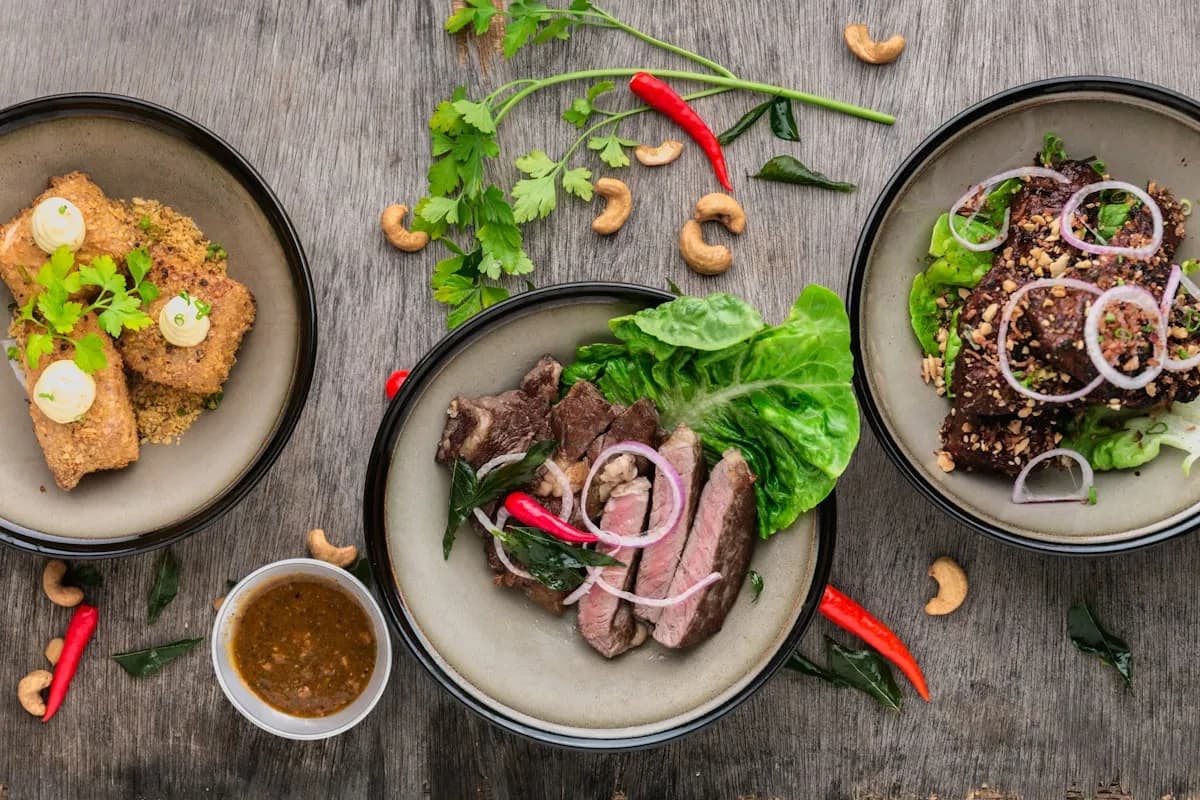
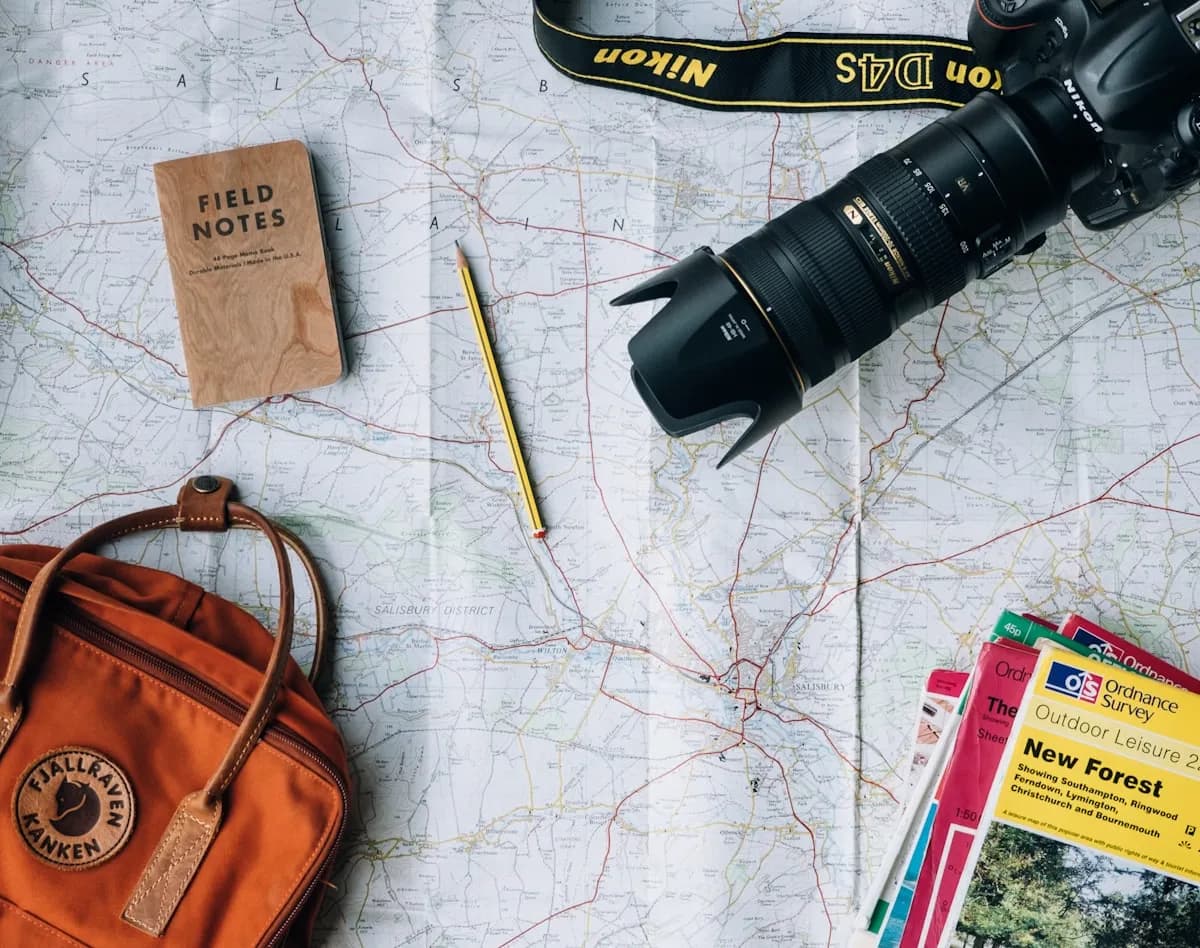
We were standing in the middle of a Barcelona side street at 11 PM, both hungry, both tired, and both absolutely certain the other person was to blame. The restaurant I'd picked was closed. The one she wanted was a 40-minute walk in the wrong direction. Google Maps was showing us a route through what looked like an alley where you go to lose a kidney. I said something about how maybe we should have planned dinner earlier. She said something about how maybe I should have checked the hours before walking us 20 minutes in the wrong direction. We ate kebabs on a park bench in total silence and went to bed without speaking.
This is the stuff nobody puts on Instagram. You see the matching gelato cones, the sunset kiss, the "traveling with my best friend" caption. You don't see the fight about whether to take a cab or walk, the passive-aggressive sigh when someone takes too long at a museum, or the evening where you're both scrolling your phones in a beautiful European city because you've run out of things to say to each other.
Travel doesn't ruin relationships. But it does hold a magnifying glass up to every dynamic you've been ignoring at home. When you're comfortable in your routine -- different jobs, different friends, a bit of natural space -- the friction stays manageable. On a trip, you're together 24 hours a day, making decisions constantly, spending money you may disagree about, in places that are unfamiliar and sometimes stressful. Everything that works well between you gets better. Everything that doesn't gets worse. Fast.
The "What Do You Want to Do Today" Death Spiral
You know this one. It starts every morning.
"What do you want to do today?" "I don't know, what do you want to do?" "I'm good with whatever." "Me too." "Okay so... what do we do?"
This goes on for 45 minutes until someone passively picks something the other person didn't really want to do but agreed to because they were tired of the conversation. Then that person quietly resents the activity all day but won't say anything because they "said they were fine with it."
The fix is brutally simple but somehow takes most couples years to figure out: alternate who plans each day. Monday is yours, Tuesday is mine. The person whose day it is makes the calls -- where to eat, what to see, how to get there. The other person just shows up and goes with it. No negotiating. No "are you sure?" No "I was thinking maybe instead..." You'll both enjoy the trip more because half the time you're genuinely surprised by what the other person chose, and the other half you get to do exactly what you want without guilt.
The Money Thing Nobody Wants to Talk About
I once watched a couple nearly break up in a hostel in Lisbon because one person wanted to do a $90 food tour and the other thought spending $90 on walking around eating was insane when they could just walk around and eat on their own for $15. They were both right. They were also both wrong. The real issue wasn't the food tour. It was that they'd never talked about what their trip budget actually meant.
Before you leave, have the uncomfortable conversation. Not "we'll spend about this much" -- actual numbers. How much per day on food. Whether you're okay with occasional splurges. What's a purchase that needs a conversation first. It sounds unromantic. It's way less romantic to discover in week two that your partner has been silently keeping a mental tab of every euro you've "wasted."
Split costs in whatever way works for you -- alternating, splitting evenly, proportional to income -- but decide before you're standing outside a restaurant in Florence reading the menu prices with different levels of anxiety.
You Need Time Apart
This sounds counterintuitive. You're on a couple's trip. The whole point is being together. But here's what actually happens when two people spend every waking minute together for two weeks straight: you start to find each other's breathing annoying.
The best couple travelers I know build in solo time deliberately. One person goes to the museum, the other sits in a cafe and reads. One person sleeps in, the other takes an early morning walk. A few hours apart means you actually have something to talk about at dinner. You come back to each other with a story, an observation, a recommendation. You become interesting to each other again instead of just... present.
My partner and I figured this out the hard way in Vietnam. By day five of constant togetherness, I was irritated by the way she ordered coffee. The way she ordered coffee. That's when we started taking half-days apart, and the trip went from tense to genuinely fun almost immediately.
Different Travel Styles Will Destroy You (If You Let Them)
One of you is a planner. The other is spontaneous. One of you wants to see everything on the list. The other wants to sit at the same cafe for three hours and "absorb the vibe." One of you packs light. The other brings four pairs of shoes for a weekend trip.
These differences are charming at home. They become genuine sources of conflict when you're lost, tired, and the planner's carefully organized spreadsheet has just been torpedoed by a train strike.
The solution isn't for one person to convert to the other's style. It's acknowledging that you're different and making space for both approaches. The planner gets to plan the big-ticket stuff -- transport, accommodation, the things that actually need advance booking. The spontaneous one gets to fill in the gaps -- the afternoon detours, the random restaurant, the "let's just walk this way and see what happens." Structure where it matters, freedom where it doesn't.
Shared Suffering Is the Secret Ingredient
Here's the weird paradox of couples travel: the trips where everything goes wrong are often the ones that bring you closest together.
The missed ferry in Greece that stranded us overnight in a port town with one restaurant and a stray cat problem? We still laugh about it. The food poisoning in Mexico where we took turns being miserable while the other person made pharmacy runs? Weirdly bonding. The Airbnb in Prague that looked nothing like the photos and had a shower that was literally in the kitchen? We problem-solved our way through it and felt like a team afterwards.
Comfort doesn't create stories or connection. Adversity does. When you solve problems together -- real problems, not "which brunch spot" problems -- you build a kind of trust that's hard to replicate at home. The couples who only travel in luxury resorts where nothing can go wrong are missing the point. The rough stuff is where the relationship actually grows.
Some Couples Shouldn't Travel Together
I know this isn't the inspirational ending you wanted, but it's honest. Some people are great partners in daily life and terrible travel companions. The stress responses don't match. The priorities are too different. One person's idea of vacation is the other person's idea of a nightmare.
If you already fight about small decisions at home, travel will multiply that by ten. If one person needs control and the other needs freedom, two weeks in a foreign country will feel like a hostage situation for both of you. If your communication breaks down under stress, well, travel is basically a stress delivery system with better scenery.
That doesn't mean the relationship is bad. It just means that maybe your thing is "we take separate trips sometimes" or "we travel with friends as a buffer." There's no shame in knowing your limits.
The Real Test
The post-trip debrief matters more than the trip itself. Do you come home telling the same stories? Do you say "we should do that again" and mean it? Or do you come home relieved to have your own space back, mentally filing the trip under "never again?"
My partner and I have had trips that were disasters and trips that were perfect, and the ratio honestly doesn't matter much. What matters is that after the worst ones, we could sit down and say "okay, that thing you do drove me crazy, and here's the thing I do that probably drove you crazy, and here's how we fix it next time." That willingness to debrief honestly, without defensiveness, is the real couples travel skill.
Nobody posts about the argument at the train station. But if you can get through the argument at the train station and still want to book the next trip together, you're probably doing fine.