On my third trip to Japan, I was on a shinkansen somewhere between Tokyo and Osaka -- the same route I'd taken twice before -- and I had this uncomfortable realization: I'd been to Japan three times and seen maybe 5% of the country. Same cities, same trajectory, slightly different temples. I'd eaten at Tsukiji (well, Toyosu by then), walked through Fushimi Inari, bowed at the right times, and told everyone back home how much I loved Japan. But the Japan I loved was basically a 500-kilometer corridor that every single tourist walks.
That trip, I bailed on my Osaka plans and bought a ticket to Kanazawa instead. It was one of the best travel decisions I've ever made, and it completely rewired how I think about Japan.
The Golden Route -- Tokyo, Hakone, Kyoto, Osaka, maybe Hiroshima and Nara as day trips -- exists for good reason. It's convenient, well-connected, English-friendly, and packed with world-class stuff. But it's also where 90% of international tourists spend 100% of their time. The rest of the country -- four main islands, thousands of smaller ones, mountain ranges, volcanic coastlines, entire cultures that differ from Tokyo like Texas differs from New York -- barely gets a look.
Kanazawa: The City That Changed My Mind
Kanazawa survived World War II without bombing, which means it has what Kyoto has -- historic districts, geisha quarters, samurai neighborhoods -- but without the crushing crowds. Higashi Chaya district at 8 AM is just you and a few locals. The Nagamachi samurai district is quiet enough to hear your own footsteps on the stone paths.
Kenrokuen Garden gets compared to Kyoto's gardens, and honestly, it holds up. But the real surprise was the 21st Century Museum of Contemporary Art, this wild circular glass building full of experimental installations. It's free to enter the public zones, and the Leandro Erlich swimming pool piece alone is worth the trip.
Then there's the food. Kanazawa faces the Sea of Japan, and the Omicho Market is what Tsukiji used to feel like before it became a tourist queue. Fresh crab, uni bowls, seafood you can't get on the Pacific side. I ate a kaisendon (seafood rice bowl) there for about 2,000 yen that was better than the 5,000 yen version I'd had in Tokyo. Not a little better. Embarrassingly better.
Tohoku: Japan's Wild North
Tohoku is the big chunk of northern Honshu that most tourists fly right over on the way to Hokkaido. That's a mistake. The region is rugged, rural, and has some of the most dramatic festivals in the country.
Aomori's Nebuta Festival in early August is genuinely jaw-dropping. Massive illuminated paper floats parade through the streets while thousands of dancers (called haneto) jump and chant around them. It's chaotic and loud and nothing like the refined image of Japan that most tourists carry. If you can time a Tohoku trip around Nebuta, do it. Book accommodation months in advance though -- the city fills completely.
Matsushima Bay, near Sendai, has over 200 pine-covered islands scattered across calm water. The poet Basho supposedly found it so beautiful he couldn't write about it, which is either a compliment or a convenient excuse. It's touristy by Tohoku standards but empty by Kyoto standards. Take the ferry circuit and eat grilled oysters on the waterfront.
The Pacific coastline up through Iwate prefecture is wild and jagged and largely empty of tourists. The Sanriku Coast has fishing villages wedged between cliffs, excellent seafood, and an atmosphere that feels more like rural Scandinavia than the Japan you see in travel magazines.
Shikoku: The Forgotten Island
Shikoku is the smallest of Japan's four main islands, and it gets the least international attention by a wide margin. Most Japanese tourists skip it too. This is either a problem or exactly the point, depending on what you're looking for.
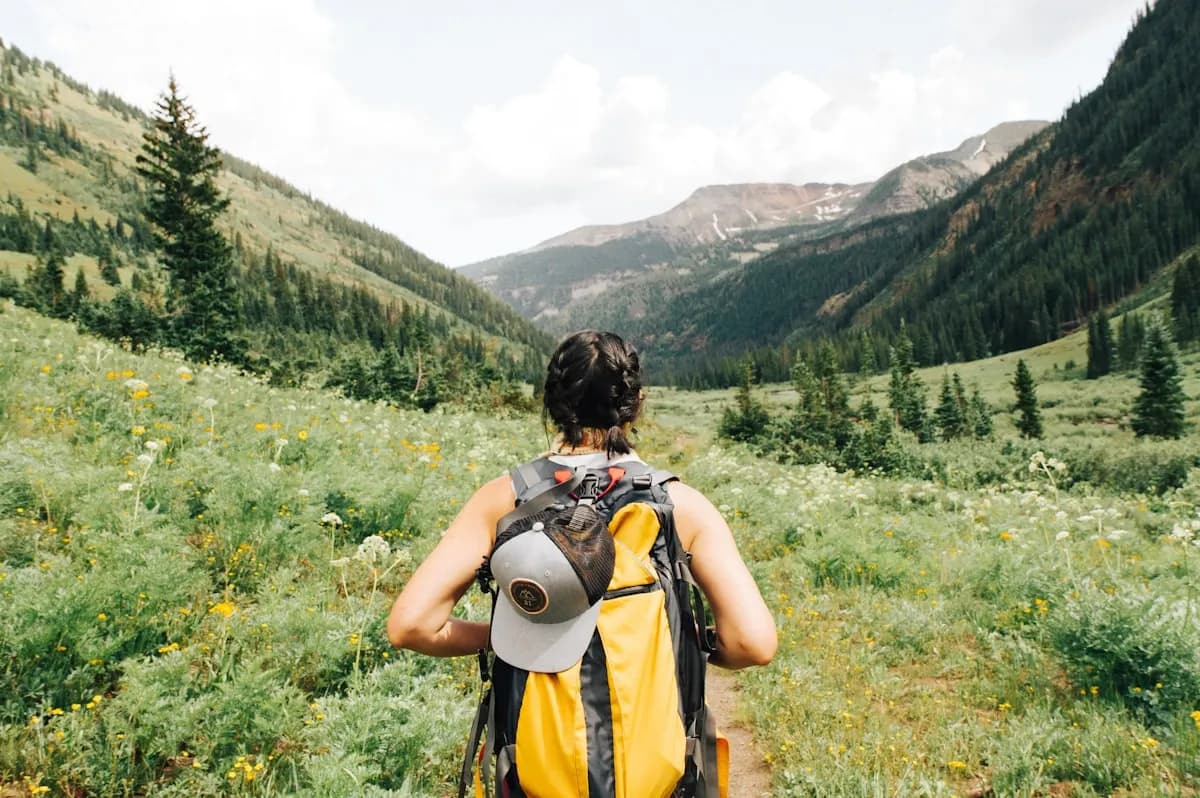
The big draw is the 88 Temple Pilgrimage (Shikoku Henro), a 1,200-kilometer circuit connecting 88 Buddhist temples. Walking the whole thing takes about 30-60 days. But here's the thing nobody mentions: you don't have to do all of it. You can walk a section for a few days, bus between temples, or even drive the route. The infrastructure exists for partial pilgrims. I walked four days of it through the mountains of Kochi prefecture and it was some of the best hiking I've done anywhere -- ancient paths through cedar forests, tiny temples with monks who seemed genuinely surprised to see a foreigner, village stays where dinner was whatever the grandmother of the house decided to cook.
Iya Valley in central Shikoku is one of Japan's most remote inhabited areas. Vine bridges sway over deep gorges, thatched-roof farmhouses cling to mountainsides, and the bus comes twice a day if you're lucky. It's hard to get to, which is exactly why it still feels like this.
Matsuyama has Dogo Onsen, one of the oldest hot springs in Japan and supposedly the inspiration for the bathhouse in Spirited Away. The building itself is worth seeing even if you don't bathe. Though you should bathe. Definitely bathe.
Kyushu: Food, Fire, and History
Kyushu could be its own country in terms of how much it has going on. Start with Fukuoka, because the food scene there quietly rivals Tokyo's but at half the price.
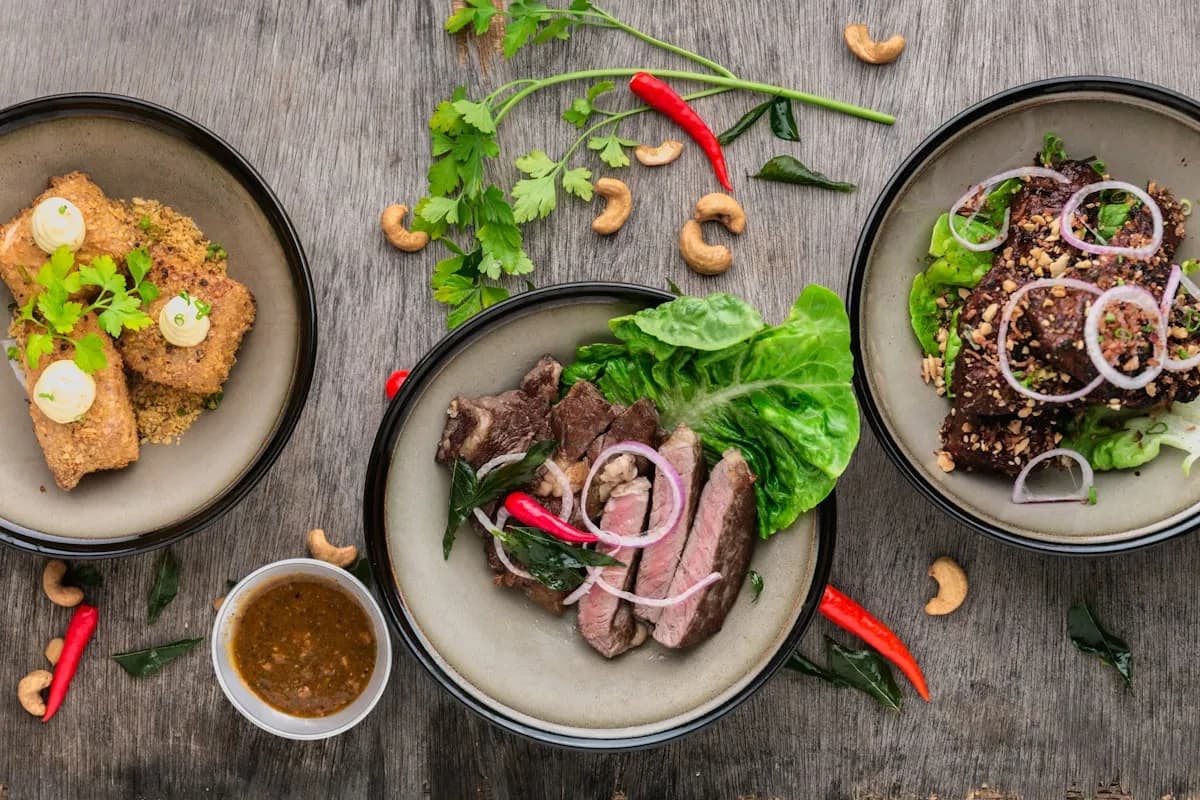
The yatai (street food stalls) along the Naka River are Fukuoka's signature experience. You sit on a stool at a tiny outdoor counter, order Hakata ramen with pork broth so rich it coats your lips, and talk to whoever's sitting next to you. The stalls open around 6 PM and run late. Nakasu and Tenjin areas have the highest concentration. Get there early because the good ones fill up fast and some only have eight seats.
Beppu is onsen madness -- the city produces more hot spring water than anywhere else in Japan. The "hells" (jigoku) are volcanic pools in surreal colors: blood-red, cobalt blue, milky white. Beyond the tourist circuit, Beppu's public baths cost a few hundred yen and locals will happily show you the etiquette if you look confused.
Yakushima is a subtropical island off Kyushu's southern tip, covered in ancient cedar forests that feel prehistoric. The Jomon Sugi, a cedar tree estimated at 2,000-7,000 years old, requires a full day hike to reach -- about 10 hours round trip, so be prepared. The moss-covered forests inspired Princess Mononoke, and when you're standing in them, you'll understand why.
Nagasaki carries its history differently than Hiroshima. The Peace Park and Atomic Bomb Museum are essential, but the city's layers go deeper -- centuries of Dutch and Portuguese trading influence, hidden Christian sites, Chinatown, and a harbor-front atmosphere that feels unlike anywhere else in Japan.
Brief Notes on Hokkaido and Okinawa
Hokkaido beyond Sapporo deserves its own post, but briefly: Furano and Biei in summer have lavender fields and patchwork hills that look computer-generated. Daisetsuzan National Park has serious alpine hiking with almost no one on the trails. And a winter road trip through eastern Hokkaido -- frozen lakes, red-crowned cranes, drift ice on the Sea of Okhotsk -- is one of the most surreal drives in Asia.
Okinawa is basically a different country. Culturally, culinarily, linguistically -- it's as distinct from mainland Japan as Hawaii is from the continental US. Worth visiting, but go knowing it's a separate trip, not an add-on.
Making It Work
The Japan Rail Pass is built for the Golden Route, but it works even better for off-the-beaten-path travel. A 14-day or 21-day pass lets you cover massive ground across Tohoku, Shikoku, and Kyushu without worrying about individual ticket costs. Regional passes (JR Kyushu, JR Shikoku, JR East) are cheaper if you're staying in one area.
The "I don't speak Japanese" fear is real but overblown. In rural areas, yes, English is rare. But Google Translate's camera function handles menus and signs, train stations have romanized names, and Japanese people will go absurdly far out of their way to help a lost foreigner. I once had an elderly man in rural Shikoku walk me 15 minutes to my destination, bow, and leave without a word. You'll be fine.
The biggest shift is mental. Stop trying to see all of Japan in two weeks. Pick one region beyond the Golden Route, give it four or five days, and actually settle into it. Eat at the same ramen shop twice. Miss the famous thing and find the local thing. Take the train that goes slower. The Japan that most tourists never see isn't hard to find. You just have to stop long enough to notice it.