Greece has over 200 inhabited islands, which sounds amazing until you sit down to plan a trip and realize you have to actually choose between them. The paradox of choice is real here. Every travel forum has a different opinion, everyone's favorite island is the "hidden gem" that 50,000 other tourists also found, and ferry schedules look like they were designed to confuse.
Island hopping in Greece is one of those trips that can go really well or really poorly depending on how much planning you do upfront. Not too much -- you don't want a minute-by-minute itinerary. But enough to avoid spending half your vacation on a ferry dock wondering why the boat you booked yesterday isn't running today.
We've done this a few times now, and the biggest lesson is simple: less is more. The people who try to hit six islands in ten days come back exhausted and sunburnt, with a thousand photos that all blur together. The ones who pick two or three islands and actually settle in for a few days each come back with stories about the taverna owner who gave them free raki and the beach they found by following a goat trail.
So here's what we know, laid out as practically as possible.
The Island Groups
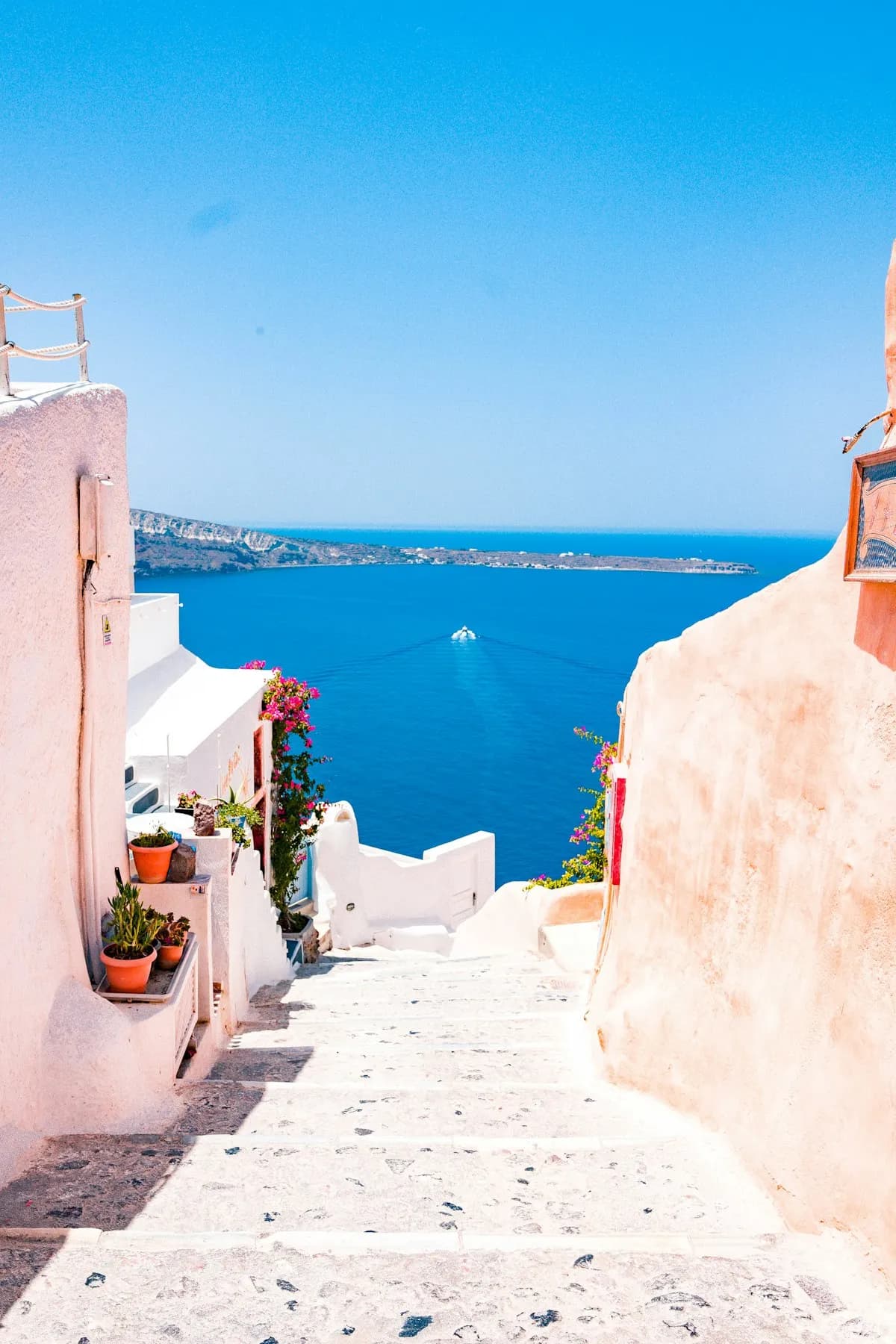
The Cyclades are where most first-timers head, and for good reason. This is where you get the white-washed villages, blue domes, and dramatic landscapes that end up on postcards. Santorini, Mykonos, Naxos, Paros, Milos, Ios, Syros, and dozens more.
The Dodecanese -- Rhodes, Kos, Patmos, Symi, Karpathos -- sit close to Turkey and lean heavily into medieval architecture and diverse landscapes. History buffs and travelers looking to escape crowds do well here.
The Saronic islands (Hydra, Spetses, Aegina, Poros) are close to Athens, making them perfect for a quick getaway. Some are car-free, which changes the whole vibe.
The Ionian islands on the western side -- Corfu, Kefalonia, Zakynthos, Lefkada -- are greener and lusher than the Cyclades, with a Venetian influence. Families and beach lovers who prefer forests over arid landscapes tend to prefer these.
And then there's Crete, which honestly isn't island hopping -- it's large enough to be its own destination entirely. Beaches, mountains, ancient ruins, authentic villages. You could spend weeks there.
Cyclades Island Profiles
Santorini is the icon. Caldera views, Oia sunsets, volcanic beaches. The reality check: it's extremely crowded, expensive, and cruise-ship dominated. If you go, stay in Fira or Imerovigli rather than Oia, visit Oia just for sunset, and spend some time exploring the lesser-known villages. Give it 2-3 nights minimum.
Mykonos is the party island. Beach clubs, nightlife, LGBTQ+ friendly, luxury everything. It's expensive and crowded, and it's definitely not for people seeking quiet. If that's your scene, you'll love it. If it's not, you'll wonder what all the fuss is about. 2-3 nights.
Naxos is, in our opinion, the sweet spot of the Cyclades. It's the largest Cycladic island, has the best beaches, excellent food, and much less pretension than Mykonos or Santorini. Mountain villages, ancient ruins, family-friendly beaches -- it's diverse enough to keep you busy for 3-4 nights easily.
Paros hits a nice balance: beaches, nightlife, villages, and water sports without Mykonos prices or crowds. Naoussa village is charming, Kolymbithres beach is unique, and the windsurfing and kitesurfing are excellent. 2-3 nights.
Milos is the geological wonder of the group. Moon-like landscapes, otherworldly beaches (Sarakiniko and Kleftiko are unreal), and it's much less developed. If you're after something visually different from typical Cycladic whites, Milos delivers. 3-4 nights.
Ios has a reputation as the party island for younger, budget-conscious travelers, and that's fair. But beyond the partying, it has a beautiful Chora village, excellent beaches, and decent hiking. 2-3 nights.
Among the smaller gems: Folegandros is tiny and authentic with a stunning Chora village. Sifnos is food-focused (arguably the best cuisine in the Cyclades) with a pottery tradition and great hiking. Syros is the Cycladic capital with year-round life and beautiful architecture, surprisingly untouristy. Amorgos is remote, authentic, and a serious hiking destination -- also where The Big Blue was filmed.
Planning the Itinerary
The most common mistake is trying to see too many islands. Ferry time eats into beach time, and you spend more of your trip in transit than you'd like.
For two weeks, 3-4 islands is comfortable. One week, stick to 2-3 (don't rush it). Four to five days, 2 islands maximum.
Some combinations that work well together: Santorini plus Naxos or Paros for a classic first trip. Mykonos plus Ios for the party route. Milos, Naxos, and Paros if you're focused on beaches. Folegandros, Sifnos, and Milos for something off the beaten path. Naxos and Paros for families.
The key ferry logic: islands in the same group connect easily. Jumping between groups (say, Cyclades to Dodecanese) requires more planning or flights. Naxos, Paros, and Syros are central hubs that connect to many islands. Santorini and Amorgos are edge islands that require specific routing.
Ferries
There are basically three types: high-speed catamarans (expensive, fast, but can be cancelled in wind), regular ferries (slower, cheaper, more reliable), and local boats for small islands with limited schedules.
For booking, Ferryhopper is the best platform for planning and booking multiple routes. You can also check SeaJets, Blue Star, and Minoan directly. Book 2-4 weeks ahead in peak season. In shoulder season, walk-ons are usually fine.
Pricing: high-speed runs about 50-80 euros between major islands, regular ferries 20-40 euros. Deck seating is fine for daytime trips; only bother with cabins for overnight routes.
A few practical notes: morning ferries tend to be more reliable than afternoon ones. Wind cancellations happen, especially in July and August with the Meltemi winds, so build in buffer days. Arrive at the port 30-60 minutes early.
When to Go
July and August: everything is open, everything is crowded, everything is expensive. Meltemi winds can disrupt ferries, and the heat is intense.
May through June and September through October are the sweet spot. Weather is great, crowds are manageable, prices are better, and most services are running. If you have any flexibility at all, go during shoulder season.
November through April: many businesses close, ferry schedules shrink, but you get authentic local life and solitude. It's too cold for swimming on most islands, but Crete and Rhodes work well as off-season destinations.
Where to Stay
In high season, book ahead, especially for Santorini and Mykonos. In shoulder season, book your first and last island and stay flexible in between.
Caldera-view accommodations on Santorini are expensive but honestly worth it if you can swing it -- it's kind of the whole point of being there. Everywhere else, studios with kitchens save a lot on meals. Location matters more than you'd think when you're car-free: walkable to port, town, or beach makes life easier.
Budget runs about 40-70 euros per night for rooms and basic studios. Mid-range is 80-150 for nice hotels in good locations. Luxury is 200+ for Santorini caldera suites and Mykonos beach-club hotels.
Getting Around Each Island
Rent a car on larger islands like Naxos, Crete, or Rhodes, and book ahead in summer. ATVs and scooters are popular but we'd encourage caution -- there are a lot of accidents every year. If you do rent one, have a proper license, wear your helmet, stay on paved roads, and take it slow.
Buses are reliable on larger islands, limited on small ones. Some islands are compact enough to walk: Hydra, Folegandros, and Sifnos all work well on foot. Water taxis run beach-to-beach on some islands -- ask around locally.
Practical Stuff
Cash still matters on smaller islands and at small businesses. ATMs exist but can actually run out of cash during peak season (this happened to us on a smaller island and it was not fun). English is widely spoken in tourist areas, though learning a few Greek words goes far on smaller islands. WiFi is available but often slow -- a Greek SIM card for data is worth the small expense. Safety-wise, Greece is very safe; the main risks are scooter accidents, swimming in rough conditions, and sunburn.
Sample Itineraries
For 7 days in the classic Cyclades: days 1-2 in Athens for the Acropolis if you haven't seen it, days 3-4 on Santorini for the caldera and sunsets and beaches, days 5-7 on Naxos for beaches and villages and unwinding. Return by ferry to Athens or fly out of Santorini.
For 10 days of island exploring: days 1-2 in Athens, ferry to Milos for days 3-5 (beaches and boat tours), ferry to Paros for days 6-8 (beaches, Naoussa, water sports), then ferry to Santorini for days 9-10 for the sunset before departing.
For 2 weeks, add Naxos for 3 nights and a smaller island like Folegandros or Sifnos for 2 nights to the 10-day plan.
Beyond the Cyclades
Rhodes has a medieval old town (UNESCO site), good beaches, and works well as a base for Dodecanese hopping. Crete deserves its own trip entirely -- ancient ruins at Knossos, stunning gorges like Samaria, excellent food, and authentic villages. Corfu has a Venetian old town, green landscapes, and a completely different feel from the Aegean islands.
The Island Pace
Greek islands reward slowness. The best moments aren't on any checklist: a sunset from a viewpoint that isn't in any guidebook, a beach you found by accident, a lunch that stretches into dinner, a conversation with a local that turns into an invitation.
Plan enough that you're not stressed. Leave enough open that good things can happen. That's about it.