There's a pattern with Mexico City. Someone goes for a week. They extend to two weeks. They come back home and won't shut up about it. Then they go back for a month. Some of them are still there.
CDMX has this pull that's hard to explain until you've felt it. On paper, it's a massive, sprawling, chaotic metropolis of 21 million people. In practice, as a visitor, you're hanging out in a handful of tree-lined neighborhoods eating $2 tacos that are better than most $15 tacos back home, and spending your afternoons in world-class museums that cost almost nothing.
The food is the obvious draw, and it deserves every bit of hype it gets. But what keeps people coming back is the overall quality of life you can have here. The cultural offerings are staggering -- more museums than any city in the Americas. The architecture spans from Aztec ruins to art deco to cutting-edge modern. The people are warm. And the cost of living means you can eat at genuinely great restaurants multiple times a week without thinking about it.
We've spent a fair amount of time in CDMX, and every trip reveals something new. It's the kind of city that rewards repeat visits and punishes anyone who tries to rush through it with a checklist. If you're planning a trip -- or considering a longer stay -- here's what we've learned.
Understanding CDMX
The Altitude Thing
CDMX sits at 2,240 meters (7,350 feet), and it affects you more than you'd expect. Plan on some breathlessness when you first arrive, possible headaches for the first couple of days, lower alcohol tolerance (you'll notice this fast), and a greater need for water. Take it easy on day one. It passes quickly.
Is It Safe?
The "dangerous Mexico City" narrative is outdated. The neighborhoods tourists visit are well-policed and, honestly, feel safer than plenty of American cities at night. Use normal urban common sense: take Uber over street taxis, stay aware in crowded areas, avoid empty streets late at night, and stick to established neighborhoods. You'll be fine.
The Neighborhoods
Roma and Condesa
This is where most first-time visitors end up, and for good reason. Tree-lined streets, art deco architecture, sidewalk cafes, boutique everything.
Roma Norte is the grittier, more interesting half. It has the best food scene in the city, hands down. Condesa is greener and more residential, with excellent running paths in Parque Mexico. Both neighborhoods draw foodies, remote workers, and anyone who appreciates good design.
If it's your first visit, stay here. You can branch out from this base easily.
Polanco
This is the upscale zone. Think designer shopping on Presidente Masaryk, contemporary art at Museo Jumex, and some of the city's finest dining.
Museo Soumaya is the standout -- it's free and houses an incredible collection in a striking building. Lincoln Park hosts weekend markets that are worth a wander. The neighborhood suits luxury travelers, art enthusiasts, and families looking for green space and wider sidewalks.
Centro Historico
The ancient heart of the city. Colonial buildings sitting on Aztec foundations, UNESCO World Heritage listed, and buzzing with energy.
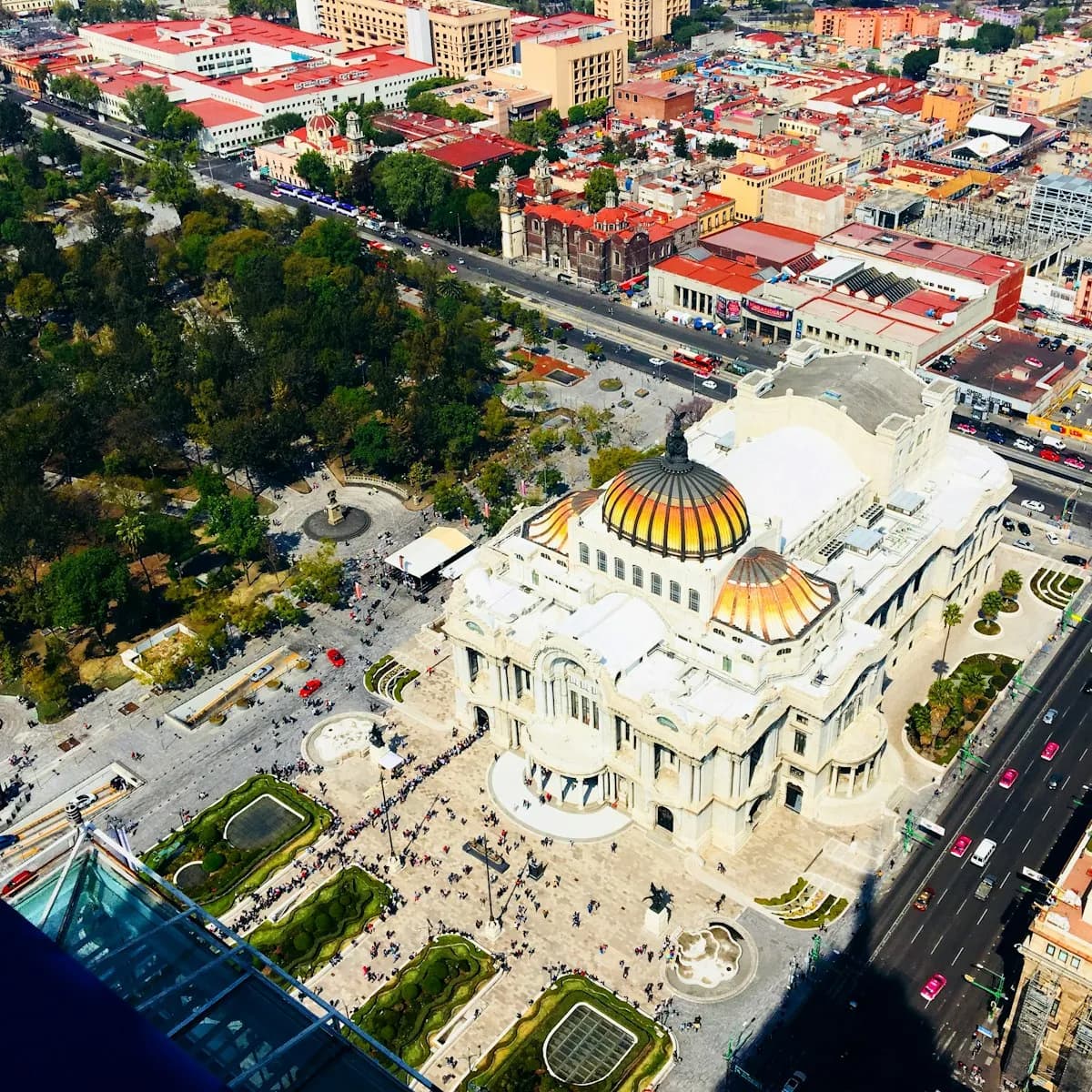
The Zocalo (main square) is massive and impressive. Inside the Palacio Nacional, Diego Rivera's murals will stop you in your tracks even if you think you don't care about murals. The Templo Mayor -- actual Aztec ruins in the middle of downtown -- is surreal. And the Palacio de Bellas Artes is one of the most beautiful buildings in the Americas, inside and out.
This area has the most affordable accommodation and the most authentic street-level Mexico City experience. It's also louder and more chaotic than Roma or Condesa, which is either a plus or a minus depending on your preferences.
Coyoacan
The bohemian quarter. Cobblestone streets, intellectual history, weekend markets, and a noticeably calmer pace. The Frida Kahlo Museum is here (book tickets well in advance -- they sell out). Jardin Centenario is a lovely central square for sitting and watching the world go by. The nearby UNAM campus is itself a UNESCO site and worth exploring.
Coyoacan is great for families and anyone who wants a breather from the intensity of the central neighborhoods.
San Angel
Mostly a Saturday destination. Colonial village atmosphere, the famous tianguis (Saturday market), and quiet plazas. Worth combining with a Coyoacan visit.
Xochimilco
The floating gardens -- an ancient canal system where you ride colorful trajineras (boats) while other boats pull up selling food and music. It's touristy, yes, but it's genuinely fun, especially with a group. Bring your own drinks and snacks to supplement what the floating vendors offer.
Food: The Reason You're Really Going
CDMX's food scene might be the best value on earth. From $1 street tacos to restaurants on the World's 50 Best list, everything is good.
Street Food
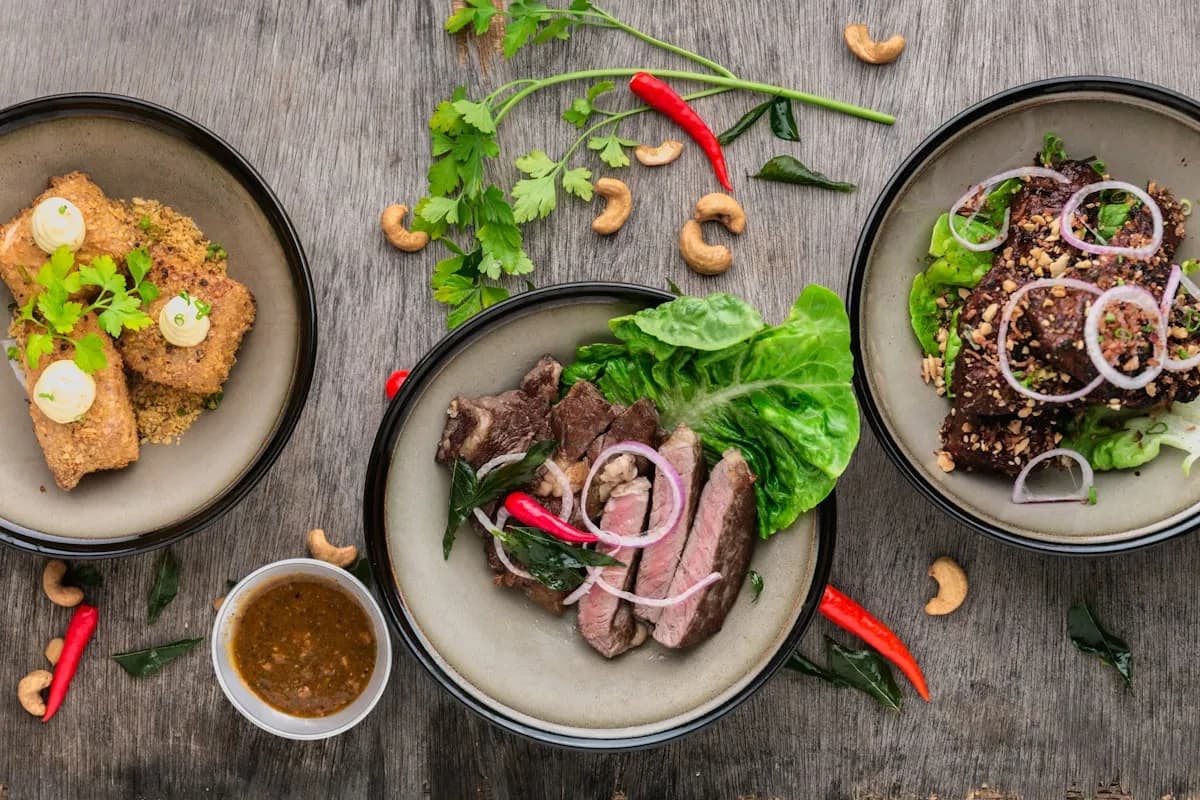
Tacos are the foundation. The main styles you'll encounter: tacos al pastor (spit-roasted pork with pineapple, the iconic one), tacos de canasta (soft basket tacos, usually a breakfast thing), tacos de guisado (stewed fillings, great for lunch), and tacos de carnitas (braised pork, rich and heavy).
How to find the best ones? Follow the crowds. A long line at a street stall at 10pm is the most reliable restaurant review in the world.
Markets
Mercado Roma is an upscale food hall -- tourist-friendly but the quality is genuinely high. Mercado de San Juan is more adventurous, with exotic meats, gourmet ingredients, and solid lunch spots. La Merced is the real deal: a massive traditional market that's overwhelming but as authentic as it gets.
Restaurants by Budget
At the budget level ($5-10), you're looking at cocinas economicas, taquerias, and fondas -- and you'll eat incredibly well. Mid-range ($15-30) gets you modern Mexican cuisine and quality comida corrida. Upscale ($40-80) delivers world-class restaurants at a fraction of what you'd pay in New York or Paris. And at the fine dining level ($80-150), places like Pujol, Quintonil, and Contramar are worth every peso -- but book weeks ahead.
Dishes to Seek Out
Chilaquiles for breakfast (tortilla chips in salsa with eggs, cheese, cream -- it's better than it sounds). Pozole on weekends -- a rich hominy soup that's practically a ritual. Mole in any form, because the complexity of these sauces is something you can't get anywhere else. Tortas (sandwiches) and pambazos (sauce-dipped sandwiches) for cheap, filling meals. And quesadillas, which in CDMX sometimes don't contain cheese -- it's a whole local debate.
Culture
Museums
CDMX has more museums than any city in the Americas, and the quality is high across the board.
The Museo Nacional de Antropologia is world-class and needs at least half a day. Don't rush it. The Palacio de Bellas Artes combines stunning architecture with significant murals. The Frida Kahlo Museum is small but powerful -- book weeks ahead. Museo Soumaya is free and has an eclectic, sometimes odd collection that's worth seeing for the building alone.
For less-visited options: the Museo Nacional de Arte covers Mexican art history beautifully, the Museo del Templo Mayor has Aztec artifacts displayed where they were found, and Museo Casa Luis Barragan is an architecture pilgrimage for anyone who cares about design.
Architecture
The architectural range here is wild. Pre-Hispanic ruins at Templo Mayor. Colonial grandeur in Centro Historico and Coyoacan. Art deco throughout Condesa. Brutalist and modern masterpieces at the UNAM campus (another UNESCO site) and Luis Barragan's buildings. You could spend an entire trip just looking at buildings.
Music and Nightlife
There's live music everywhere, from mariachi bands in Plaza Garibaldi to indie venues scattered through Roma. Clubs in Condesa and Roma don't really get going until midnight or later. And the mezcal bar scene has exploded -- if you're curious about mezcal, CDMX is one of the best places in the world to learn about it.
Practical Stuff
Getting Around
The Metro is excellent, covers most areas, and costs about $0.25 per ride. It gets crowded during rush hour but it's hard to beat the coverage. Metrobus (bus rapid transit) is good for north-south routes. Uber and DiDi are the preferred option over street taxis -- they're cheap and safe. Walking works well within neighborhoods, but distances between neighborhoods are deceptive. Ecobici bike share is an option in the flat central areas.
Money
The currency is the Mexican Peso (MXN). You need cash for markets, street food, and small businesses. Cards are accepted widely in restaurants and shops. Use bank ATMs inside branches for security -- avoid standalone ATMs.
When to Visit
March through May is dry and warm. October and November have nice fall weather. Avoid June through September if you can -- it's rainy season, with afternoon storms pretty much daily. December has a great holiday atmosphere, and February is when the weather starts turning nice again.
Health Notes
Don't drink tap water. Ice in restaurants is usually purified, but ask if you're unsure. Take the altitude easy for the first day or two and drink plenty of water. Air quality can be rough on bad days -- check forecasts if you're sensitive.
Language
Spanish helps enormously. English works in tourist areas, but even basic Spanish dramatically improves your experience and the warmth of your interactions. If you're staying for a while, take some lessons -- there are affordable schools all over Roma and Condesa.
Day Trips
Teotihuacan
Ancient pyramids about 50km northeast of the city. One of the great archaeological sites in the world. Go early (gates open at 8am), wear sun protection, and allow 4-5 hours. Climbing the Pyramid of the Sun for the views is a must. You can get there by tour, Uber, or public bus.
Beyond Teotihuacan
Taxco is a silver town with beautiful colonial architecture, about 2.5 hours south. Good as an overnight. Puebla is a colonial city and culinary capital (mole poblano was born here), 2 hours southeast. Valle de Bravo is a lake town popular with wealthy Mexico City residents -- nice mountain scenery, and if you time it right, monarch butterflies.
For Digital Nomads
CDMX has become one of the world's major nomad hubs, and for good reason. Coworking spaces are everywhere (WeWork, Selina, plus countless local spots in Roma and Condesa). Wifi is reliable in cafes and coworking spaces. The cost of living runs $1,500-2,500/month for a comfortable lifestyle. You get 180 days on a tourist visa, which is easy to renew. Central time zone works well for US clients. And the nomad community is large and active.
Sample Itineraries
5 Days
- Day 1: Centro Historico -- Zocalo, Templo Mayor, Bellas Artes
- Day 2: Anthropology Museum, Chapultepec Park, dinner in Roma
- Day 3: Teotihuacan day trip
- Day 4: Coyoacan, Frida Museum, local markets
- Day 5: Roma/Condesa exploration, food tour, nightlife
10 Days
Add Xochimilco and San Angel, the UNAM campus, and an overnight trip to Puebla. Use the extra time to go deeper into neighborhoods rather than trying to cover more ground.
1 Month
Rent an apartment in Roma or Condesa. Use weekends for day trips. Settle into the local rhythm. Take Spanish lessons. Eat everything. This is how CDMX is best experienced -- slowly.
The CDMX Thing
Mexico City isn't a checklist destination. The best moments come from slowing down: lingering over three-hour lunches, getting lost in markets, stumbling into a gallery you didn't know existed, having a conversation with a mezcal bartender who changes how you think about the spirit.
The city has real problems -- traffic, pollution, inequality. But most visitors find that these are outweighed by the generosity, creativity, and sheer quality of daily life. The pattern is common: people come for a week, extend to a month, and some of them are still there.