Morocco hit me differently than I expected. I'd read the blog posts and watched the travel videos -- the ones with dreamy shots of blue streets and desert sunsets set to chill music. And those places exist, they really do. But nobody in those videos mentioned how exhausting Marrakech can be on day one, or how the constant negotiation wears you down, or how lost you can get in a medina that was designed a thousand years before Google Maps.
Here's what I actually wish someone had told me: Morocco rewards you in direct proportion to how prepared you are. Show up with no plan and no cultural context, and you'll spend most of your trip frustrated. Show up knowing what to expect, and you'll have one of the most memorable trips of your life.
The country is a sensory overload in the best possible way. Spice-filled souks, the call to prayer echoing off ancient walls, landscapes that shift from snow-capped mountains to sand dunes in a few hours of driving. It's not easy travel -- I want to be upfront about that. But easy and rewarding aren't the same thing.
If you're considering Morocco, especially for the first time, here's the stuff that actually matters.
A Quick Geography Lesson
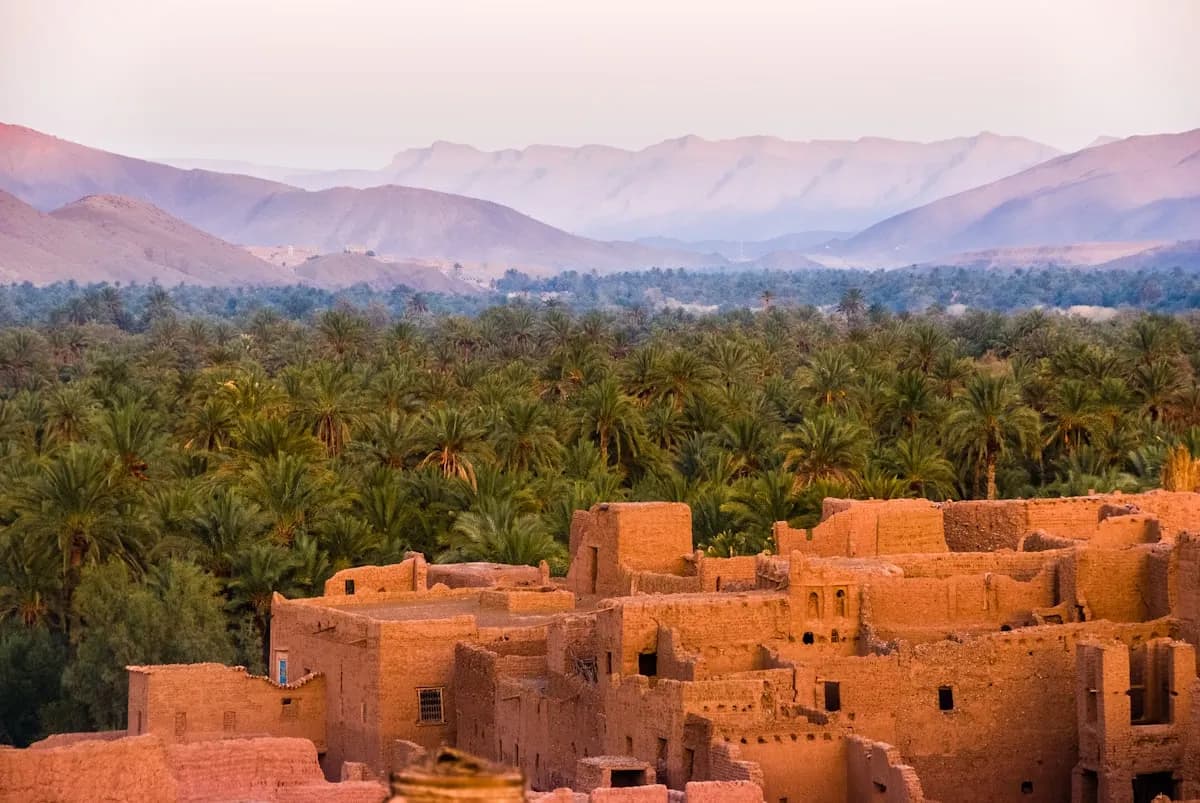
Morocco packs a surprising variety of landscapes into a manageable country. The Atlantic Coast has Casablanca, Essaouira, and Rabat. The Imperial Cities -- Marrakech, Fez, Meknes -- sit inland. The Atlas Mountains cut through the middle with ski resorts, Berber villages, and serious hiking. And the Sahara stretches out along the southeastern edge, with Merzouga and Zagora as the main access points.
Cultural Context
Morocco is Muslim but relatively liberal by regional standards. Tourism is well-established, but the cultural gap with Western visitors is real and worth respecting. Ramadan affects restaurant hours and the general pace of life. Friday is the holy day (mosque visits are limited for non-Muslims). Alcohol is available in tourist areas and some restaurants. Dress modestly outside resort areas, especially if you're a woman -- covering shoulders and knees goes a long way.
Marrakech
Most travelers start and end here. Marrakech is intense, beautiful, and yes, occasionally frustrating. Accept all three of those things going in and you'll have a better time.
Jemaa el-Fnaa
The famous square transforms throughout the day. Mornings bring juice sellers and snake charmers. Afternoons shift to henna artists and merchants. Evenings are when it really comes alive -- food stalls, musicians, storytellers, and a general carnival atmosphere.
Watch your belongings. Expect aggressive selling. And then just lean into the chaos, because fighting it is pointless and enjoying it is free.
The Medina
UNESCO-listed, maze-like, and genuinely disorienting. My advice: get lost on purpose. You'll stumble into hidden riads, artisan workshops, and quiet corners of beauty that don't show up on any map. When you want to find your way back, just ask anyone for directions to Jemaa el-Fnaa -- everyone knows the way.
The key sites inside the medina: Bahia Palace has stunning tilework. Ben Youssef Madrasa is an ancient school with incredible geometric decoration. The Saadian Tombs are a royal mausoleum worth the short wait. Koutoubia Mosque is the landmark -- non-Muslims can't enter but the exterior and gardens are beautiful.
The Souks
They're organized by craft -- leather in one area, metalwork in another, carpets, spices, ceramics all in their zones. Haggling is expected and honestly part of the fun once you get used to it. Start at 30-40% of the asking price and work toward the middle. If the price isn't right, walk away -- they'll often call you back. If they don't, the next stall probably has the same thing.
Outside the Medina
Majorelle Garden (Yves Saint Laurent's botanical garden) is beautiful but gets crowded. Go early if you can. Gueliz is the modern district -- cafes, restaurants, and a welcome break from medina intensity when you need one.
Fez
Older, less touristed, and more genuinely lived-in than Marrakech. I'd honestly recommend Fez over Marrakech for anyone who wants a more authentic experience and doesn't mind slightly rougher edges.
Fez el-Bali
The world's largest car-free urban area. The medina is a UNESCO World Heritage Site that feels genuinely medieval -- because it basically is.
The Chouara Tannery is the famous one. Take a sprig of mint with you for the smell (they'll offer one at the entrance, take it). Bou Inania Madrasa is architecturally stunning. The Royal Palace gates are worth seeing. And the University of al-Qarawiyyin is considered the oldest continuously operating university in the world.
Why Choose Fez
Less tourist infrastructure means fewer hustlers and more authentic interactions. It's harder to navigate, but the payoff for adventurous travelers is higher. You'll eat better for less money, and you'll have moments of genuine discovery that are harder to find in Marrakech.
Chefchaouen
This mountain town's blue-washed buildings are as photogenic as advertised. But beyond the photos, it's just a lovely, relaxed place to spend a few days.
What to do? Honestly, wander. That's the whole point. The joy of Chefchaouen is turning corners and finding another shade of blue you haven't seen yet.
Beyond wandering: hike to the Spanish mosque for sunset views, do a day trip to Akchour waterfalls, shop for woven blankets and local goat cheese, and enjoy the slower pace after the intensity of Marrakech or Fez.
I'd give it 2-3 nights. One day feels rushed and you'll regret not having a morning to just sit in a cafe and watch the town wake up.
The Sahara
No Morocco trip feels complete without some desert time. You have two main options.
Merzouga (Erg Chebbi) has the larger dunes, more infrastructure, and more tourists. Zagora (Erg Chigaga) is more remote, with smaller dunes, fewer people, and a longer drive to get there.
Most visitors take organized tours from Marrakech. A 2-day/1-night tour is possible but rushed with long driving days. The 3-day/2-night version is worth the extra time and money -- you get a better pace and more actual desert experience.
A standard tour typically includes transport through the Atlas Mountains with a stop at Ait Benhaddou kasbah, a camel ride to the desert camp, overnight in a Berber tent, and a sunrise dune viewing.
To make it better: upgrade your accommodation (basic camps have shared tents; luxury camps have private tents with real beds). Stay multiple nights if you can. Or rent a car and book a camp directly for maximum flexibility -- the independent route lets you stop wherever you want on the drive through the Atlas.
The Atlas Mountains
Trekking
Mount Toubkal is North Africa's highest peak and doable as a 2-day trek from Imlil village. No technical climbing required, just fitness and decent footwear. For shorter options, day trips to Berber villages from Marrakech work well. The Ourika Valley has waterfalls and villages within an hour of the city.
Timing
Avoid the lower areas in summer -- the heat is brutal. Winter brings snow to the higher elevations (Morocco has ski resorts, which surprises people). Spring and fall are ideal for trekking.
Essaouira
The Atlantic coast city that most travelers use as a recovery break from inland intensity, and I think that's exactly the right way to use it.
The medina is laid-back compared to Marrakech. The seafood is fresh and affordable. Consistent wind makes it a hub for kitesurfing and windsurfing. Art galleries and musicians give it a creative vibe. And yes, it's a Game of Thrones filming location if that matters to you.
The classic pairing is Marrakech, then Essaouira for a few days, then back to Marrakech for departure. It's about 2.5 hours by car or tourist bus.
Getting Around Morocco
Trains connect the major cities (Marrakech, Fez, Casablanca, Rabat) and are comfortable and reasonably punctual. CTM and Supratours buses cover everywhere else -- comfortable but slow. Grand taxis (shared taxis between cities) are cheap but cramped in a way that's hard to appreciate until you're in one. Rental cars are the way to go for Atlas and desert flexibility -- driving is manageable once you're outside the cities.
Money, Language, and Logistics
The currency is the Moroccan Dirham (MAD). Cash is essential in medinas, though ATMs are widespread in cities. Tipping is expected everywhere -- 10-15% in restaurants, small tips for anyone who helps you with anything.
For languages: Arabic is official, French is widely spoken, Berber languages dominate in the mountains and rural areas, and English is common in tourist areas. Knowing some French helps significantly once you're outside the main tourist zones.
Safety and Scams
Morocco is generally safe, but you should know about a few things. Petty theft happens in crowded areas, so watch your pockets. Tourist scams are common -- the classics include "that place is closed, let me take you to my cousin's shop," unsolicited guides who demand payment afterward, wrong change, and carpet shop tours disguised as cultural experiences.
The defense is simple: be firm with "no thank you" and keep walking. Know your route beforehand when possible. Negotiate prices before accepting any service.
For Women Travelers
Solo female travel in Morocco is absolutely possible but requires extra awareness. Dress conservatively -- covering shoulders and knees reduces unwanted attention. Harassment ranges from mildly annoying to persistent depending on the area. Traveling with male companions does reduce the attention. Stick to tourist areas at night. Many women have wonderful experiences here -- but going in prepared makes a real difference.
When to Go
March through May and September through November are the sweet spots. June through August brings extreme heat inland. During Ramadan, restaurant options narrow and the general rhythm shifts (though it can also be a fascinating time to visit if you understand what's happening). December through February is cooler with fewer tourists and some rain.
Itineraries
10 Days -- The Classic Route
- Days 1-3: Marrakech (medina, day trip to Atlas or Essaouira)
- Day 4: Drive to the desert (stop at Ait Benhaddou)
- Days 5-6: Sahara desert experience
- Day 7: Drive to Fez (long day but scenic)
- Days 8-9: Fez exploration
- Day 10: Train to Casablanca or Marrakech for departure
7 Days -- Highlights Only
- Days 1-2: Marrakech
- Days 3-4: Desert excursion
- Day 5: Return to Marrakech
- Days 6-7: Essaouira coastal break
2 Weeks
Add Chefchaouen (2-3 days) and more time in the Atlas. This is the version where Morocco really opens up.
What Nobody Tells You
Morocco isn't easy travel. It challenges your comfort zone and your patience in equal measure. The constant negotiation gets tiring. The cultural friction is real. Some days you'll just want to hide in your riad and not deal with it.
But then you'll sit in the Sahara at dawn with absolute silence around you, or a stranger will invite you for tea with no agenda, or you'll get lost in the Fez medina and find the most beautiful courtyard you've ever seen. And those moments make the challenging parts worth it. Come prepared, stay patient, and give it a chance to surprise you.