I landed at Taipei Taoyuan Airport expecting confusion. I'd just come from a month in mainland China where nothing was simple -- VPNs, cash-only vendors, apps that don't work without a Chinese phone number. I stepped off the plane in Taipei and within twenty minutes I had fast free wifi, had tapped an EasyCard on a clean airport MRT, and was heading into the city on a train that arrived exactly on time. I remember thinking: why doesn't anyone talk about this place?
That feeling never went away. Two weeks in Taiwan and the overwhelming impression was that someone had designed a country specifically to be easy to travel in, then forgot to tell anyone.
The Food Is the Point
I'm going to be blunt: Taiwan might have the best food culture in Asia. I know that's a bold claim when Thailand and Japan exist, but hear me out.
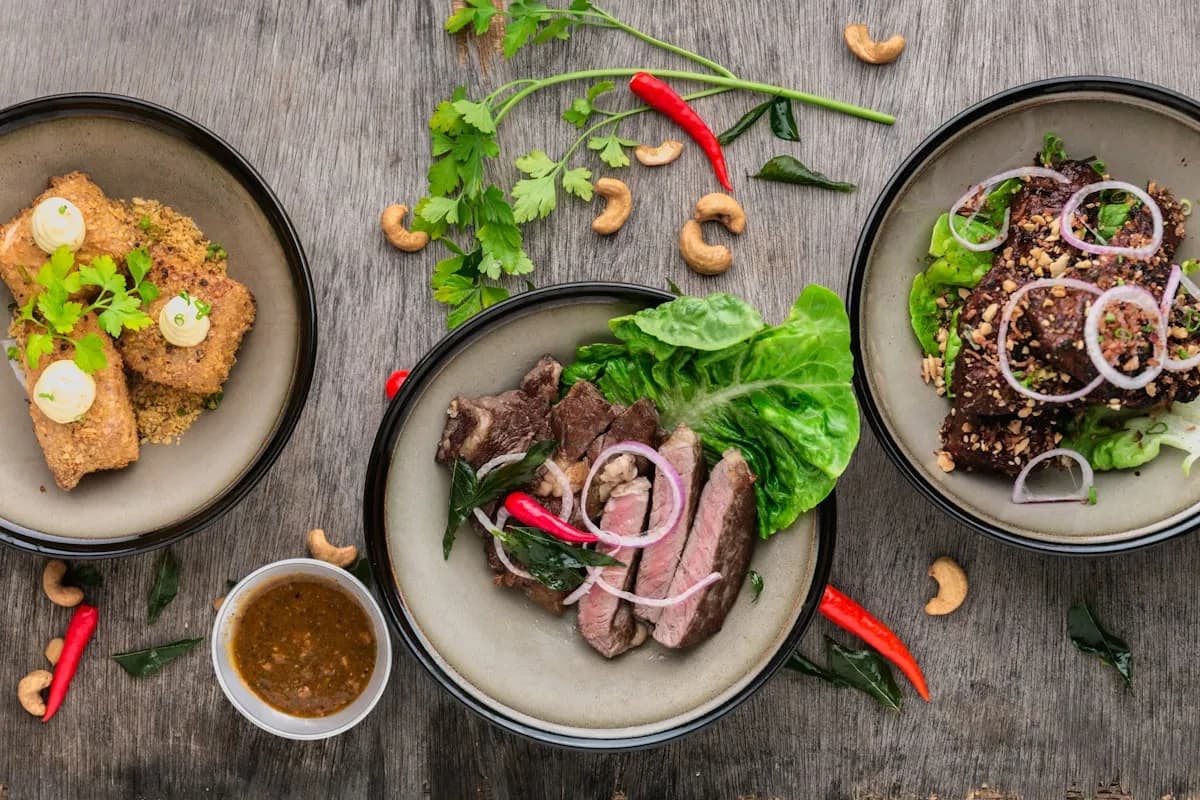
Night markets aren't a tourist gimmick in Taiwan. They're where people eat dinner. Every neighborhood has one, and locals are there every single night, which means the food has to be good or the stalls close. At Raohe Night Market in Taipei, I watched a woman who'd been making pepper buns from the same stall for over twenty years. The line was forty people deep at 9 PM on a Tuesday. Pepper buns, about 50 NT ($1.50). That ratio of quality to price broke something in my brain.
Beef noodle soup is the national dish and every Taiwanese person has an opinion about where to get the best one. I must have eaten thirty bowls across the country. The best was at a no-name place in Yongkang district -- just a counter, a woman with a cleaver, and broth that tasted like someone had been simmering it since the beginning of time. Most beef noodle soup runs 150-200 NT ($5-7).
Breakfast culture deserves its own paragraph. Taiwan has dedicated breakfast shops -- not cafes, not chains, just small storefronts that open at 6 AM and close by 11. They make egg crepes (dan bing), soy milk (sweet or savory, and the savory version is a revelation), fried dough sticks, and rice rolls. A full breakfast costs about 50-80 NT ($1.50-2.50). I ate breakfast like a king every morning for less than the cost of a bad coffee back home.
And yes, Din Tai Fung started in Taiwan and the original Xinyi location is worth visiting. But honestly, the fifty local dumpling shops that don't have a Michelin star are just as good and half the price. The cult of Din Tai Fung always puzzled the Taiwanese people I talked to.
Taipei Beyond the Guidebook
Taipei 101 and the National Palace Museum are fine. Go if you want. But the city's real character lives in the neighborhoods most tourists never reach.
Dadaocheng is the old trading district near the river, full of traditional herb shops, tea houses, and fabric stores that have been operating since the Japanese colonial era. It's being slowly renovated by young entrepreneurs opening coffee roasters and design studios in century-old buildings. Walking through Dadaocheng on a weekday morning, with old men playing chess outside and the smell of dried goods wafting from open storefronts, felt more authentically Taipei than anything on the tourist circuit.
The coffee culture surprised me. Taipei has a specialty coffee scene that genuinely rivals Melbourne or Portland. Tiny roasters in converted apartments, baristas who've competed internationally, single-origin beans from farms you've never heard of. I found a roaster in Zhongshan district operating out of what used to be a hair salon -- four seats, no menu, the owner just asks what flavor profile you like and makes something. Good specialty coffee runs 120-180 NT ($4-6).
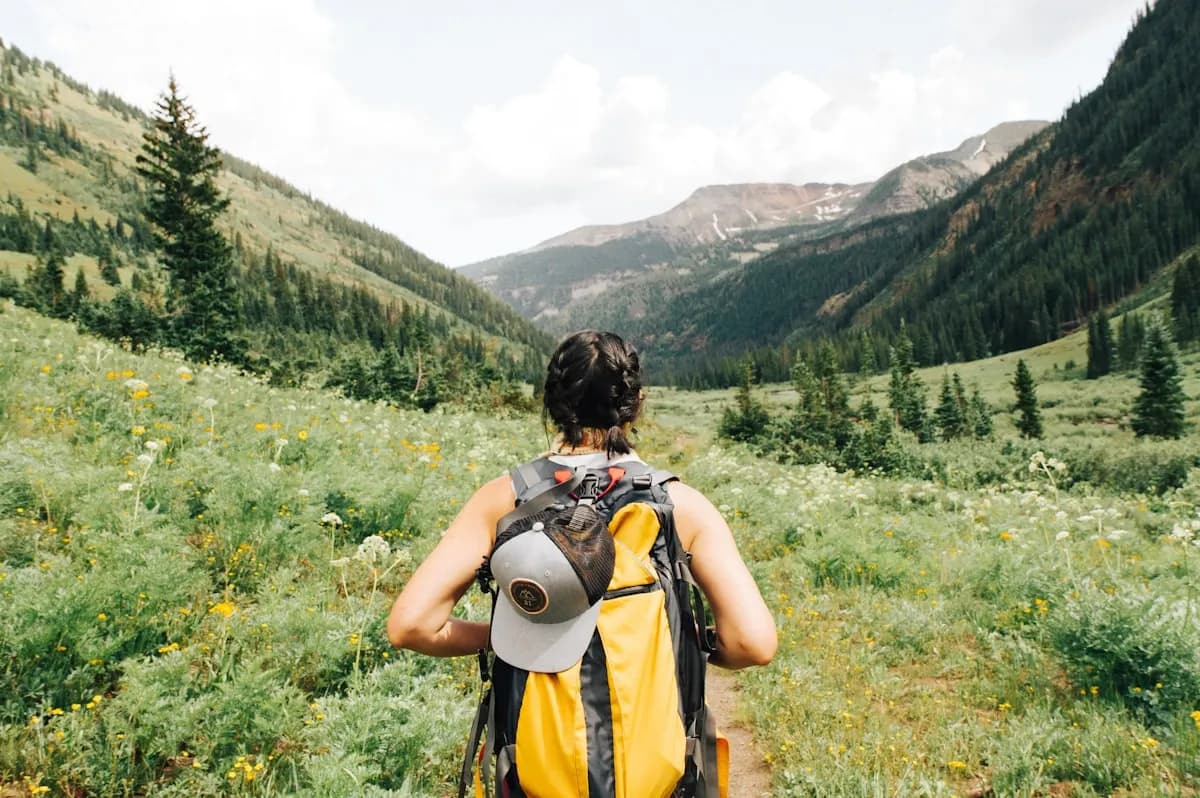
Yangmingshan National Park is thirty minutes from downtown by bus and has hot springs, volcanic fumaroles, and hiking trails that feel like you're in a different country entirely. I went on a rainy Wednesday and had entire trails to myself.
Getting Out of Taipei
The High Speed Rail is genuinely fantastic. Taipei to Taichung in 47 minutes, around 700 NT ($22). Taipei to Tainan in about 90 minutes. Taipei to Kaohsiung in 96 minutes. That's a country you can cross in under two hours on a train that's always on time and spotlessly clean.
Tainan is where I'd send anyone who wants to understand Taiwan's soul. It's the oldest city on the island, the former capital, and the food capital. The temples are everywhere -- not restored tourist temples, but active ones where grandmothers burn incense every morning. The streets are narrower, older, more tangled. The pace is slower. People kept stopping to help me read signs, point me to good food, give unsolicited directions. A temple caretaker spent thirty minutes walking me through the history of a Matsu temple because he was proud of it and had nowhere else to be.
Sun Moon Lake is pretty but honestly the most touristy spot in central Taiwan. If you're in Taichung, the Rainbow Village is more interesting as a quick visit, and the surrounding countryside is gorgeous for cycling. Kaohsiung was an industrial port city that's reinvented itself with the Pier-2 Art District, a revitalized waterfront, and the most impressive metro stations I've seen outside of Stockholm.
The East Coast
This is where Taiwan shifts from "good" to something else entirely. Taroko Gorge is a marble canyon with a road carved into the cliff face and it is -- I'll just say it -- one of the most dramatic landscapes I've seen anywhere in the world. The Taroko bus from Hualien station is free with the Taroko shuttle pass, around 250 NT ($8) for a day pass. Go early. The main trails get crowded by noon.
The real move, though, is renting a scooter and doing the coast road from Hualien to Taitung. Most tourists fly back to Taipei from Hualien and miss the entire southeastern coastline. The road hugs cliffs above the Pacific, passes through tiny indigenous villages, and has almost no traffic. I stopped at a roadside stand run by an Amis indigenous woman who was grilling wild boar sausages over charcoal. She didn't speak Mandarin well, I didn't speak Amis at all, and we communicated through smiles and pointing. Those sausages were incredible.
Hot Springs Are a Way of Life
Everyone knows about Beitou, the hot spring district in northern Taipei. It's fine, a bit touristy, still worth a visit. But Taiwan has hot springs everywhere and the deeper you go, the better they get.
Wulai is a forty-minute bus ride from Taipei and has riverside hot springs in an indigenous Atayal village. Jiaoxi on the northeast coast has hot spring water piped directly into hotel rooms -- you can soak in your bathroom. Green Island, a tiny volcanic island off the southeast coast, has one of only three saltwater hot springs in the world, and you can sit in it at midnight watching stars over the Pacific.
The etiquette is simple: wash before you soak, be quiet, and at the nude-only public baths, just go for it. Nobody cares.
The Practical Stuff
EasyCard is the single best thing about traveling in Taiwan. Load it at any convenience store and it works on every MRT, every bus, every train, ferries, bike shares, and most convenience store purchases. I went four days without using cash once.
7-Eleven and FamilyMart are on literally every block and they're a lifeline. You can pay bills, buy train tickets, pick up packages, print documents, get a decent lunch box for 70 NT ($2.30), and charge your EasyCard. The hot food section is genuinely good -- onigiri, tea eggs, steamed buns.
Language is the one tricky part. Outside Taipei, English signage drops off sharply and most people over forty speak limited English. Google Translate with the camera function is essential. But I want to emphasize: people go out of their way to help. I was staring at a bus schedule in Tainan looking confused and three different people stopped to ask if I needed help, two of whom walked me to the correct stop.
Budget: plan for $40-60 USD per day for comfortable mid-range travel. That's a decent guesthouse or hotel ($20-35), three meals including one sit-down restaurant ($10-15), transport ($5-8), and a coffee or two. You can go lower with dorm beds and night market meals only.
Why Nobody Talks About It
Taiwan never makes the "top destinations in Asia" lists and I've thought about why. It doesn't have the dramatic temple complexes of Southeast Asia. It doesn't have the brand recognition of Japan. It doesn't have beaches that compete with Thailand or the Philippines. It's not cheap enough to be a backpacker magnet like Vietnam.
What it has is harder to photograph and harder to sell: an incredibly functional society, world-class food at absurdly low prices, infrastructure that works perfectly, and people who are genuinely, non-transactionally kind. Nobody's trying to overcharge you. Nobody's aggressively selling you a tour. The taxi meter always runs. The convenience stores always have what you need. Everything just works, quietly and efficiently.
It's the most comfortable country I've ever traveled in. Not the most exciting, not the most photogenic, not the cheapest. But the most comfortable, the most welcoming, and the easiest to fall into a rhythm in. I went for two weeks and spent the entire flight home trying to figure out when I could go back.