I walked out of Lisbon's Santa Apolonia station for the third time last October and something had shifted. I didn't need to check my phone. I turned left toward Alfama without thinking, cut through the backstreet that avoids the hill, and walked straight to a coffee shop I'd been to twice before. The guy behind the counter looked up and said "Americano, right?" and I felt something I almost never feel while traveling: I felt like I belonged there.
That small moment was worth more than any first visit to a new city has given me in years.
The Tyranny of the New
There's an unspoken rule among travelers that going back is a waste. "You've already been to Barcelona? Why would you go again when you could go to Morocco?" As if a place is a book you've read and shelved. As if forty-eight hours in a city means you know it.
I used to think this way. I had a mental checklist of countries, and checking them off felt like progress. Going back to somewhere I'd already been felt like running a lap I'd already completed. Why retrace your steps when the map is so big?
It took me embarrassingly long to realize that I wasn't collecting experiences -- I was collecting passport stamps. I'd "done" dozens of cities and could barely tell you anything about most of them beyond the name of the hostel and the one sight I stood in front of.
Tourist vs. Resident (Even for a Week)
Your first visit to any city is a tourist visit. That's fine, that's what it is. You do the sights. You eat near the famous landmarks because you don't know where else to go. You follow the walking tour route, take the photos, stand in the lines. You see the city's greatest hits.
The second visit is completely different. You skip the Eiffel Tower because you've already seen it. You skip the main square because you know it's overpriced. Instead you end up in the neighborhoods. You find the Vietnamese place on a side street in the 11th arrondissement that locals have been going to for thirty years. You take the metro without consulting the map. You start to understand how a city actually works, not just how it presents itself.
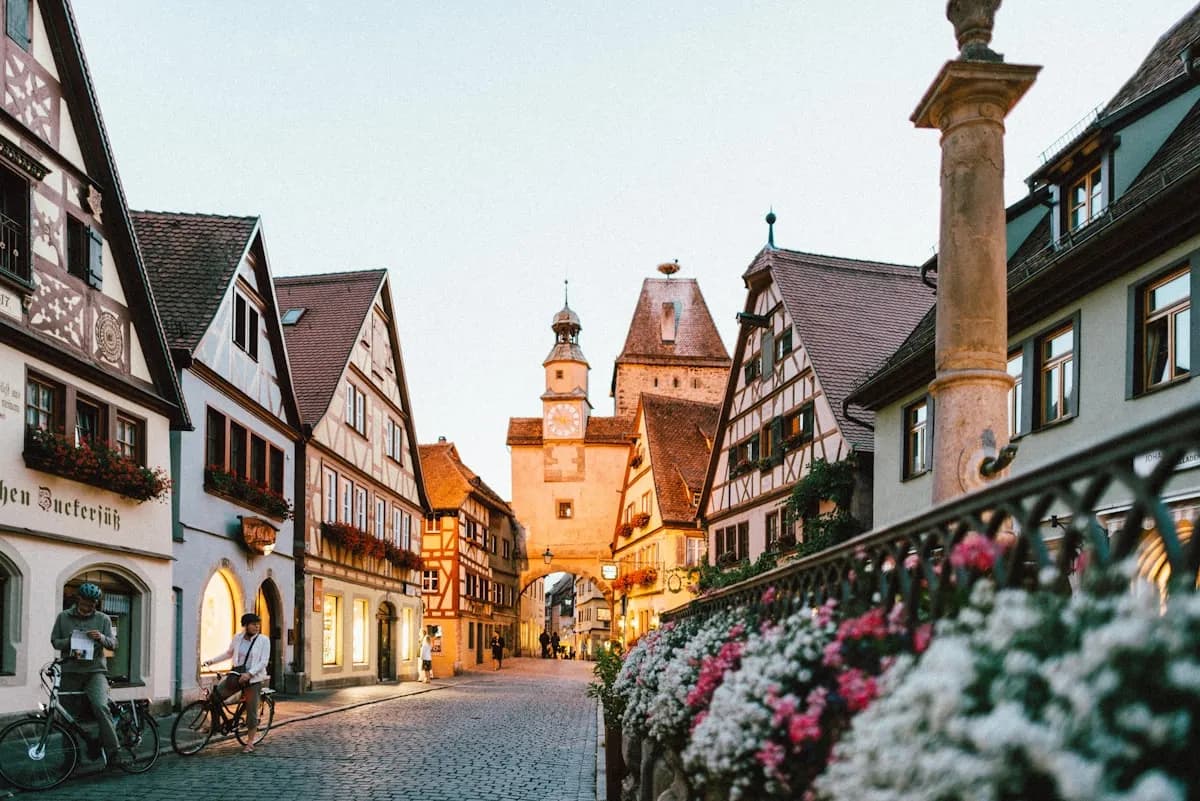
My first time in Lisbon, I went to Belem, took a tram, ate a pastel de nata at the famous place, and thought I got it. My second time, I stayed in Mouraria and realized the tourist Lisbon and the real Lisbon are practically different cities. My third time, I had a landlord who invited me to a neighborhood festa, and I spent an evening eating grilled sardines with people who'd lived on that street for forty years. None of that happens on trip one.
The Comfort Factor
There's something deeply underrated about arriving in a city and already knowing the basics. You know which metro line goes where. You know the scam the taxi drivers pull at the airport. You know the neighborhood with the good food and the one that's overpriced. You know the coffee is terrible at the train station but excellent at the place two blocks east.
This frees up enormous mental energy. First visits are exhausting because every single decision requires research. Where to eat, how to get there, which neighborhood is safe, where to do laundry, whether that price is fair or a tourist markup. On return visits, that friction disappears. You walk out the door and just live.
I notice things on return visits that I never catch the first time. The way the light changes in a particular alley in the late afternoon. The sound of a specific neighborhood at night. The rhythm of a city -- when the streets fill up, when they empty, when the real life happens. You only get that from repetition.
Places Change. So Do You.
Prague in July and Prague in February are functionally different cities. The cobblestones that were charming in summer are treacherous ice in winter. The Old Town Square goes from packed and sweaty to nearly empty and hauntingly quiet. The beer gardens close and the cozy basement pubs open. Same GPS coordinates, completely different experience.
I went back to Tokyo at thirty-four after first visiting at twenty-six, and I was a different person in the same city. At twenty-six I was chasing nightlife in Roppongi and eating at the cheapest ramen spots I could find. At thirty-four I spent mornings in Yanaka's temple district, ate at a tiny counter-seat izakaya in Koenji where the owner doesn't speak English and I don't speak Japanese and we got along perfectly, and went to bed at a reasonable hour. The city didn't change that much. I did.
That's something only return visits reveal: how you've changed. The same streets feel different through older eyes, different priorities, a different version of yourself. It's like rereading a book you loved at twenty and noticing things the younger you completely missed.
The Money Argument
There's a practical case too. First-time visitors waste money constantly. You eat at the restaurant with the English menu near the tourist attraction and pay double for mediocre food. You take the wrong train because you misread the map. You book the hotel in the "central" location that turns out to be central to nothing.
Second-timers skip all of that. You already know where the value is. You know the lunch spot where locals eat for eight euros. You know the bus is cheaper than the metro for your route. You know the neighborhood that's fifteen minutes from the center but half the price on accommodation. My third Lisbon trip cost roughly sixty percent of what my first one did, and I ate better, stayed in a nicer place, and did more interesting things.
The Connections That Stick
The bartender at a place in Alfama recognized me on my third trip. He poured my drink before I ordered and asked about my work. That tiny exchange -- being known, even slightly, in a place far from home -- is something you simply cannot get from a first visit. It requires showing up again.
I have a barber in Bangkok. A coffee shop in Porto where they know I sit by the window. A bookstore owner in Buenos Aires who saves things she thinks I'll like. These relationships are shallow by hometown standards, but they make the world feel smaller and warmer in a way that checking off new destinations never does.
The Counter-Argument Is Valid
Look, I get the other side. Life is short. The world is enormous. There are places you haven't seen that would genuinely change how you think. Spending your limited travel time going back to Lisbon for the fourth time means you're not seeing Marrakech or Kyoto or Patagonia. That's a real trade-off and I won't pretend it isn't.
Both approaches have value. The answer isn't all one or all the other. But I think most travelers are too heavily skewed toward the new. The default assumption is always "somewhere I haven't been," and the idea of going back barely gets considered. I'm just suggesting you consider it.
Your Places
Over years of traveling, you end up with a personal map -- cities that claimed you for reasons you can't fully explain. For me it's Lisbon, Bangkok, Porto, and Tokyo. They're not objectively the "best" cities in the world. They're mine. I know them. I have history with them. Each visit layers something new onto what's already there.
Having your places around the world is a different kind of wealth. Not the wealth of stamps in a passport or pins on a map, but the wealth of depth. Of knowing what the jasmine smells like in a Lisbon courtyard at night. Of watching a neighborhood in Bangkok slowly gentrify over five visits and feeling something complicated about it. Of having a running joke with a waiter in Porto that started four years ago.
The first visit is for seeing. The second visit is for knowing. And sometimes the third and fourth visits are where the place actually becomes part of you. I know the pressure to always go somewhere new. But some of my best trips have been going back.