Vietnam is one of those countries that has a way of getting under your skin. It's chaotic and beautiful and occasionally exasperating, sometimes all within the same block. You'll be eating the best bowl of soup you've ever had while sitting on a tiny plastic stool six inches off the ground, motorbikes swerving past your elbow, and you'll think: yeah, this is it.
The country stretches over 1,600 kilometers from north to south, which means the climate, food, culture, and even the vibe change pretty dramatically as you move through it. Hanoi in the north feels like a different country from Ho Chi Minh City in the south. The central stretch—Hue, Hoi An, Da Nang—has its own distinct character too. Most people either start in Hanoi and work their way south, or the reverse. Either direction works, though flying into one city and out the other saves you a pointless return trip.
We'd argue that Vietnam has the best street food in Southeast Asia, and we'll fight anyone who says otherwise. It's also absurdly affordable, remarkably safe, and the people are genuinely warm once you get past the occasional hard sell at a tourist market. Two weeks is enough to hit the highlights. A month is better. Some people come for two weeks and end up staying for two months.
Here's how we'd plan it.
Hanoi
Vietnam's capital is a sensory overload in the best possible way. The Old Quarter is a labyrinth of narrow streets, each one historically dedicated to a specific trade—Hang Gai for silk, Hang Bac for silver, and so on. Getting lost in there is half the fun, and the street food on every corner is half the reason to get lost.
The Ho Chi Minh Mausoleum is imposing and worth seeing, though be aware of strict dress codes and limited hours. Train Street—where coffee shops line the tracks and trains pass inches from the tables—is touristy but undeniably cool. The Temple of Literature, Vietnam's first university from 1070, is a peaceful escape from the surrounding chaos.
And you have to try egg coffee at Cafe Giang. Whipped egg yolk over strong Vietnamese coffee. It sounds like it shouldn't work, but it does.
Eating in Hanoi
Hanoi pho is different from what you get in the south—clearer broth, more subtle flavor. It's a breakfast food here, and the best bowls come from places that have been making only pho for decades.
Bun cha is grilled pork with noodles and herbs, served with dipping broth. Obama ate it with Anthony Bourdain at Bun Cha Huong Lien, and they've put up a plaque about it. The food is genuinely good, not just famous.
Banh mi is everywhere and perfect—the French-Vietnamese fusion that shouldn't work but absolutely does. And bia hoi, the local fresh draft beer served at sidewalk stalls for about 25 cents a glass, is one of the great budget drinking experiences in the world.
Halong Bay
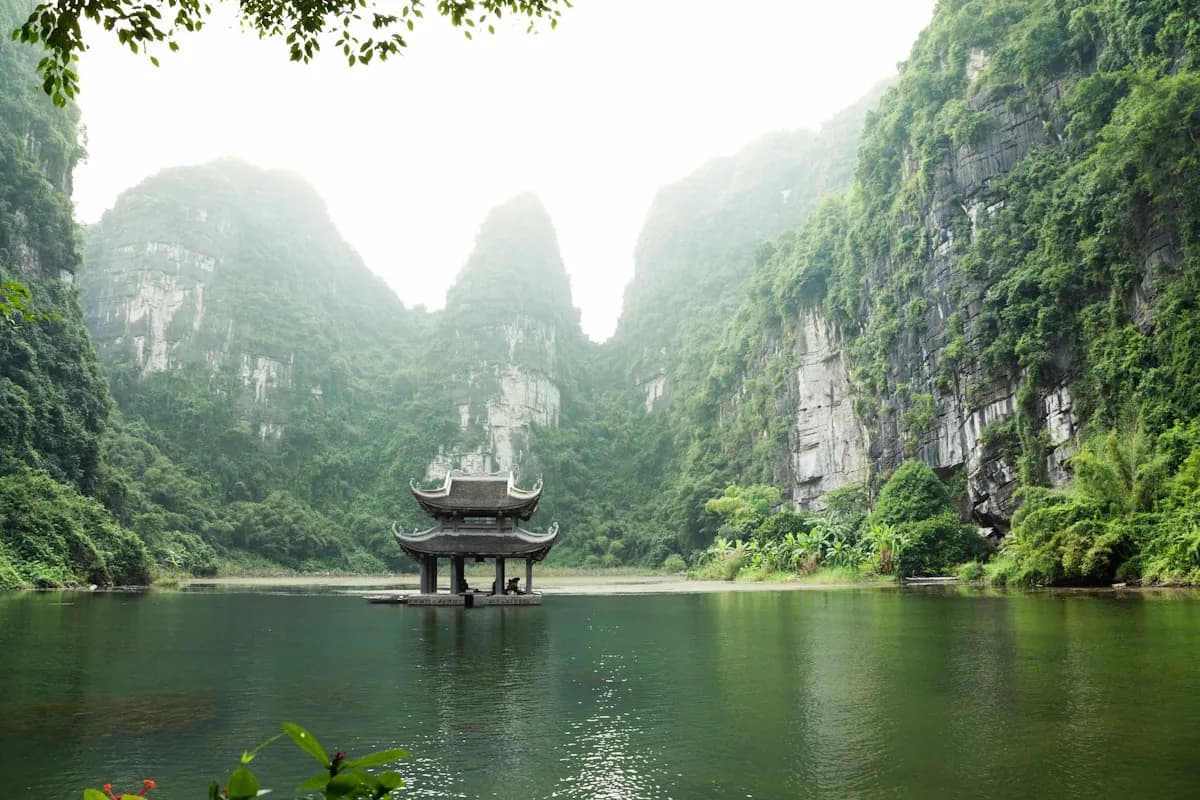
Nearly 2,000 limestone islands rising out of emerald water. It's a UNESCO World Heritage Site and it lives up to the designation, even with the tourist boat traffic.
A day trip from Hanoi is technically possible but not worth it—you'll spend more time in transit than on the water. An overnight cruise on a traditional junk boat is the way to do it. You'll kayak through caves, swim off the deck, and watch the sunset from a perspective that makes the trip feel worthwhile.
If the crowds on Halong Bay bother you, Lan Ha Bay is the less-visited alternative—equally beautiful, accessible from Cat Ba Island.
Book a reputable operator. Quality varies dramatically between the budget and mid-range options, and this isn't the place to cheap out. October through April has the best weather.
Sapa
Up in the far north, near the Chinese border, Sapa sits among terraced rice fields that cascade down mountain slopes. It's stunning, especially during harvest season (September-October) when everything turns gold, or in spring (March-May) when the terraces are bright green.
Fansipan Peak is Vietnam's highest mountain. You can take a cable car up or do a multi-day trek if you prefer to earn the view. Village homestays with Hmong or Dao families offer a window into ways of life that are very different from urban Vietnam. Hiring a local guide for the trekking is worth it—the trails are steep and the local knowledge adds a lot.
Central Vietnam
Hue
The former imperial capital sits on the Perfume River and has a different energy from the rest of Vietnam—more reserved, more refined. The Imperial Citadel is the main draw, along with the royal tombs of Minh Mang and Khai Dinh and the Thien Mu Pagoda.
Hue also has its own distinct cuisine, and bun bo Hue—a spicy, lemongrass-scented beef noodle soup—is arguably the best noodle dish in the country. That's a controversial opinion in Vietnam, but we stand by it.
The Hai Van Pass
If you've seen the Top Gear Vietnam special, you know this road. It's one of the world's great coastal drives, winding over a mountain with ocean views on both sides. If you're an experienced motorcyclist, riding it yourself is unforgettable. If you're not, hire a driver—the views are just as good from the back of a bike.
Hoi An
Hoi An is the town that makes everyone consider moving to Vietnam. A UNESCO-listed ancient trading port with lantern-lit streets, excellent tailors who'll make you custom clothes in 24-48 hours, and An Bang Beach a short ride away. The local specialty is cao lau noodles, supposedly made only with water from a specific local well.
One warning: Hoi An floods regularly during rainy season (October-November). The photos of people canoeing through the old town are striking, but it's not ideal for actual sightseeing.
Da Nang
Da Nang used to be a place people passed through on the way between Hue and Hoi An. Now it's a proper destination. My Khe Beach is excellent, the Marble Mountains (five limestone hills with caves and pagodas) are worth an afternoon, and Ba Na Hills has the Golden Bridge—the one held up by giant stone hands—which has earned its Instagram fame.
Ho Chi Minh City
Saigon (everyone still calls it that) is the opposite of Hanoi in almost every way. It's louder, faster, more commercial, and more chaotic. It's also incredibly fun.
The War Remnants Museum is sobering and important—essential for understanding Vietnam's recent history. The Cu Chi Tunnels show you the underground network used during the war, and crawling through the (widened-for-tourists) tunnels gives you a tiny sense of what that experience was like. Ben Thanh Market is atmospheric but touristy; negotiate hard or just enjoy the spectacle. District 1 has the French colonial landmarks—Notre Dame Cathedral, the Central Post Office—and some great rooftop bars for seeing the city from above.
Saigon Street Food
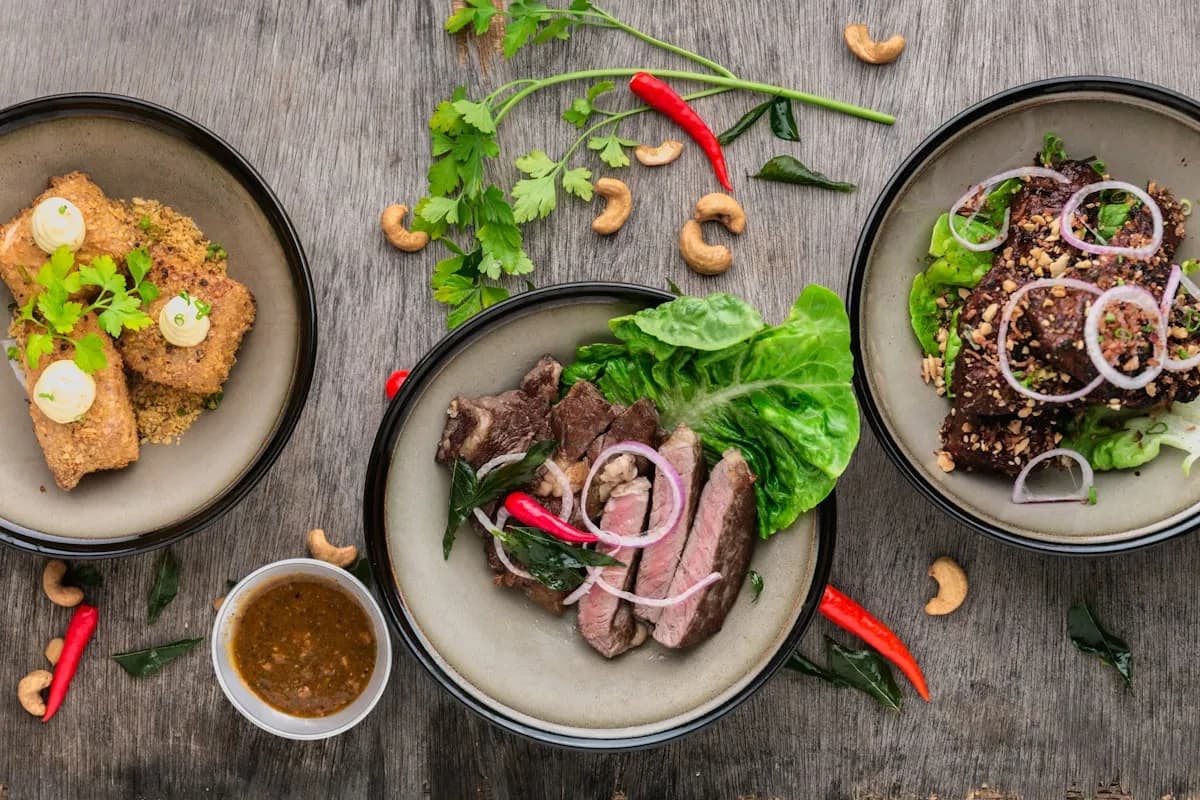
Southern Vietnamese food is different from the north—sweeter, more herbs, more variety. Banh xeo are crispy rice pancakes stuffed with shrimp and pork. Com tam is broken rice with grilled pork, a Saigon staple. Goi cuon are fresh spring rolls (the cold, translucent ones, not fried). And che—sweet soup desserts—come in endless varieties from street carts.
The Mekong Delta
South of Ho Chi Minh City, the Mekong River splits into a vast delta where life revolves around the water. The floating markets at Can Tho are the highlight—get there at dawn when the trading is busiest. Cycling through rice paddies, visiting fruit orchards, and staying in village homestays round out the experience.
Day trips from HCMC are possible, but staying overnight gives you a much better feel for the pace of delta life.
Phu Quoc
Vietnam's largest island, in the Gulf of Thailand. It's the beach-resort option—Long Beach for sunsets, night markets for fresh seafood, and snorkeling around the southern islands. Pepper plantations and fish sauce factories are quirky but interesting half-day diversions. Phu Quoc is a good way to end a Vietnam trip: a few days of doing nothing after all that moving around.
Practical Stuff
Visas
Visa rules vary by nationality and change frequently. UK, EU, and several Asian countries currently get 45-day visa-free entry. US, Australian, and most other nationalities need an e-visa—90 days, multiple entry available through evisa.gov.vn. Check current requirements before you book, because Vietnam has been actively expanding visa-free access.
Transportation
Domestic flights are cheap on VietJet and Bamboo Airways. The Reunification Express train runs the full length from Hanoi to HCMC—book a sleeper cabin for the overnight segments and it's a great way to travel. Sleeper buses connect most major destinations comfortably. Motorbike rental is possible with an international permit, but the traffic in Vietnamese cities is genuinely intense. It's not for beginners.
Money
The Vietnamese Dong has a lot of zeros, and it will confuse you for the first couple of days. A million dong is about $40. ATMs are everywhere. Some tourist-oriented places accept USD, but you'll get better exchange rates paying in Dong.
Safety
Vietnam is very safe for travelers. Violent crime against tourists is rare. Petty theft happens in tourist areas—bag snatching from motorbikes is the most common type—so keep your valuables secure. The biggest actual danger is the traffic. Crossing the street in Hanoi or HCMC looks impossible, but the trick is to walk slowly and steadily without stopping. The motorbikes flow around you. Stopping or darting is what gets you in trouble.
Haggling
Expected at markets, not at restaurants or shops with fixed prices. Start at about 40% of the asking price and work toward the middle. Stay friendly. It's a negotiation, not a confrontation.
Two-Week Route
Days 1-3: Hanoi and surroundings Day 4: Travel to Halong Bay, overnight cruise Day 5: Cruise continues, return to Hanoi Day 6: Fly to Da Nang, transfer to Hoi An Days 7-8: Hoi An Day 9: Day trip to Hue (or vice versa) Day 10: Fly to Ho Chi Minh City Days 11-12: HCMC Day 13: Mekong Delta Day 14: Departure
You could swap in Sapa at the beginning or Phu Quoc at the end if you have a few extra days to work with.
Vietnam has a way of surprising you. The history is heavier than you expect, the food is better than you imagined, and the people are warmer than the guidebooks prepare you for. It's one of those places where two weeks feels like a month and also like not nearly enough. Come for the pho, stay because you forgot to book your flight home.